What has NASA said about pollution & stubble burning in North India?
As the world grapples with the challenges of climate change and environmental degradation, the issue of pollution and stubble burning in North India has become a pressing concern. The region, which includes the capital city of Delhi, has been experiencing severe air pollution problems, particularly during the winter months. Recently, NASA (National Aeronautics and Space Administration) has weighed in on the issue, providing valuable insights into the patterns and impacts of stubble burning in North India.
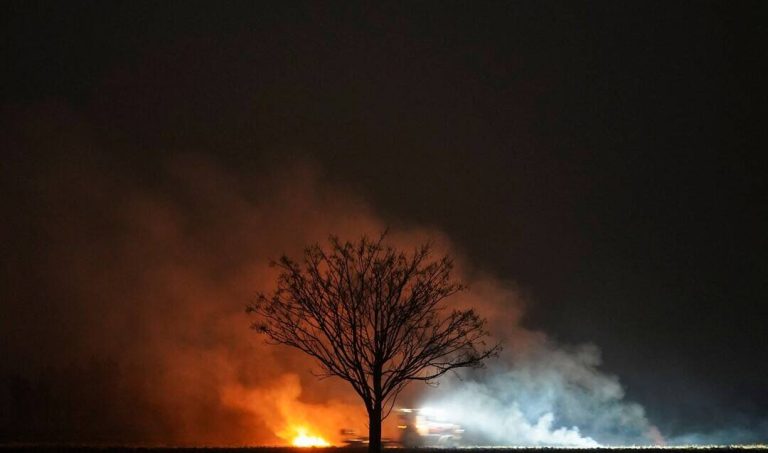
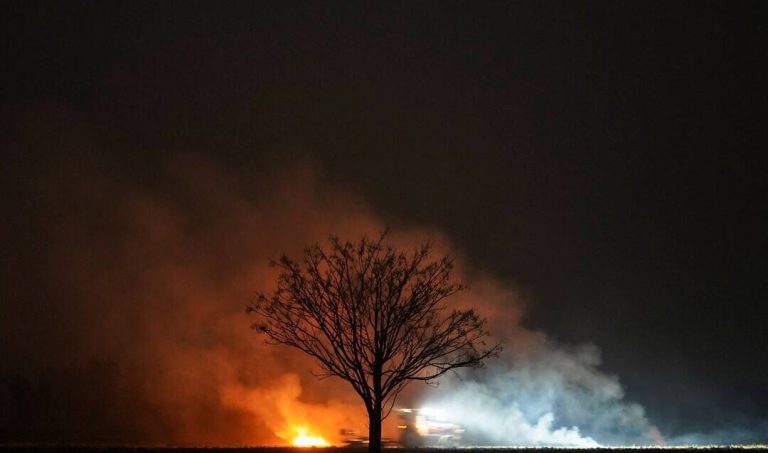
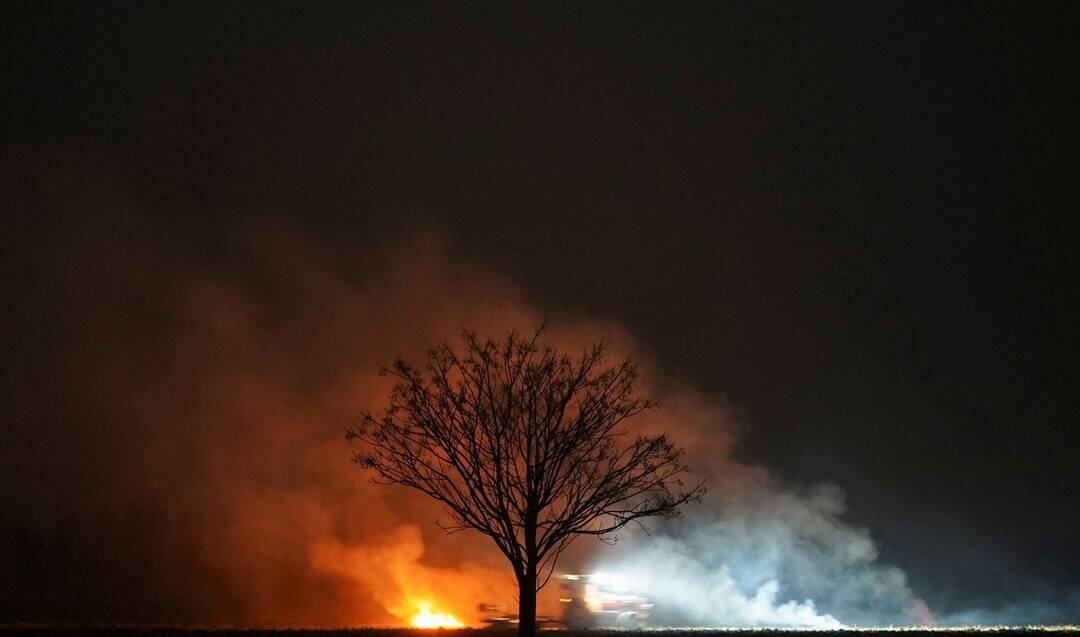
According to NASA, crop fires across northern India are being done later in the day, complicating efforts to monitor them and their impact on air pollution. The space agency noted that the overall pattern of the stubble-burning season was as per predictions, but the daily timing of fires shifted, making it more challenging to track and mitigate their effects. This change in timing has significant implications for air quality in the region, as it can lead to a longer duration of poor air quality and increased health risks for the population.
The issue of stubble burning in North India is a complex one, driven by a combination of factors, including agricultural practices, economic pressures, and lack of alternative disposal methods. Every year, farmers in the region burn millions of tons of crop residue, including wheat and rice stubble, to clear their fields for the next planting season. This practice, while convenient and cost-effective for farmers, releases large amounts of pollutants into the atmosphere, including particulate matter, carbon monoxide, and volatile organic compounds.
The impact of stubble burning on air quality in North India is significant. The region, which is home to over 400 million people, experiences severe air pollution problems during the winter months, with particulate matter (PM) levels often exceeding safe limits. The air quality in Delhi, in particular, deteriorates significantly after crop fires intensify in October, with PM levels sometimes reaching hazardous levels. This has serious implications for public health, as exposure to poor air quality can lead to respiratory problems, cardiovascular disease, and even premature death.
NASA’s observations on the timing of stubble burning in North India are significant, as they highlight the need for more effective monitoring and mitigation strategies. The space agency’s satellite data shows that the daily timing of fires has shifted, with more fires now occurring later in the day. This change in timing can make it more challenging to track and predict the movement of pollution plumes, which can travel long distances and affect air quality in nearby cities.
The Indian government has been working to address the issue of stubble burning, with initiatives such as the promotion of alternative disposal methods, including biomass conversion and crop residue management. However, more needs to be done to address the scale and complexity of the problem. This includes increasing awareness among farmers about the impacts of stubble burning, providing economic incentives for alternative disposal methods, and strengthening enforcement mechanisms to prevent illegal burning.
In addition to these efforts, there is a need for more research and development of new technologies and strategies to mitigate the impacts of stubble burning. This could include the development of more efficient and cost-effective biomass conversion technologies, as well as the use of satellite data and other remote sensing technologies to track and predict pollution plumes.
In conclusion, NASA’s observations on the timing of stubble burning in North India highlight the need for more effective monitoring and mitigation strategies to address the issue of pollution and air quality in the region. The Indian government, farmers, and other stakeholders must work together to promote alternative disposal methods, increase awareness about the impacts of stubble burning, and develop new technologies and strategies to mitigate the effects of pollution. Only through a concerted effort can we hope to reduce the negative impacts of stubble burning and improve air quality in North India.
Source: https://science.nasa.gov/earth/earth-observatory/new-timing-for-stubble-burning-in-india/
About the Author