What has NASA said about pollution & stubble burning in North India?
The issue of pollution and stubble burning in North India has been a persistent concern for several years, with the region experiencing severe air quality issues during the winter months. The main culprit behind this problem is the practice of stubble burning, where farmers set fire to their crop residue after harvesting, releasing large amounts of pollutants into the atmosphere. Recently, NASA has weighed in on the issue, providing valuable insights into the patterns and impact of stubble burning in North India.
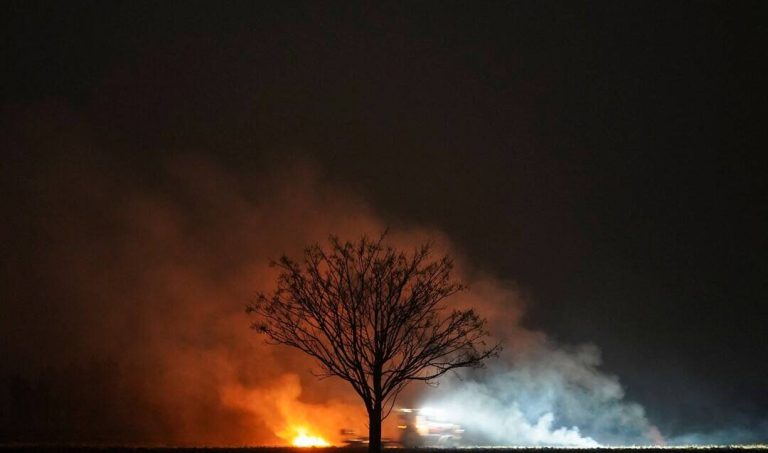
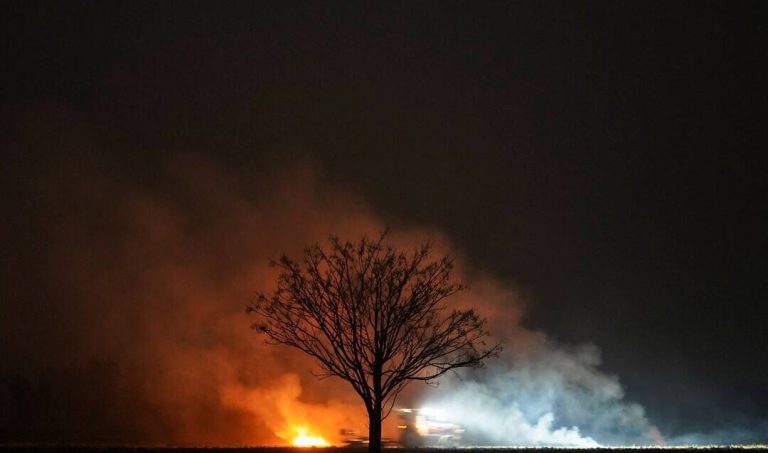
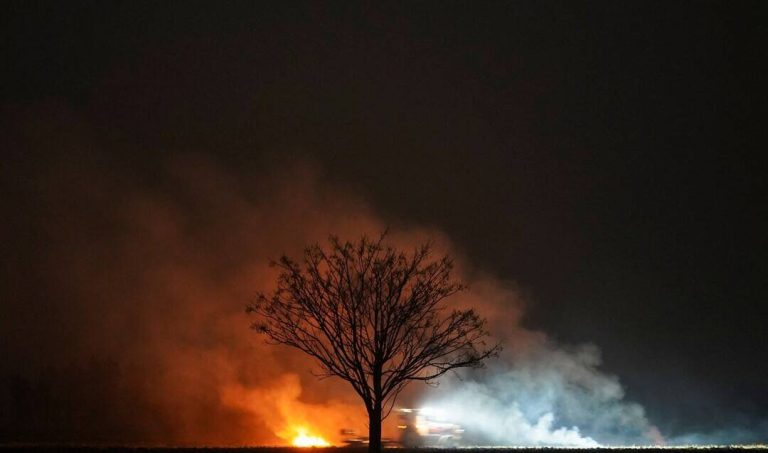
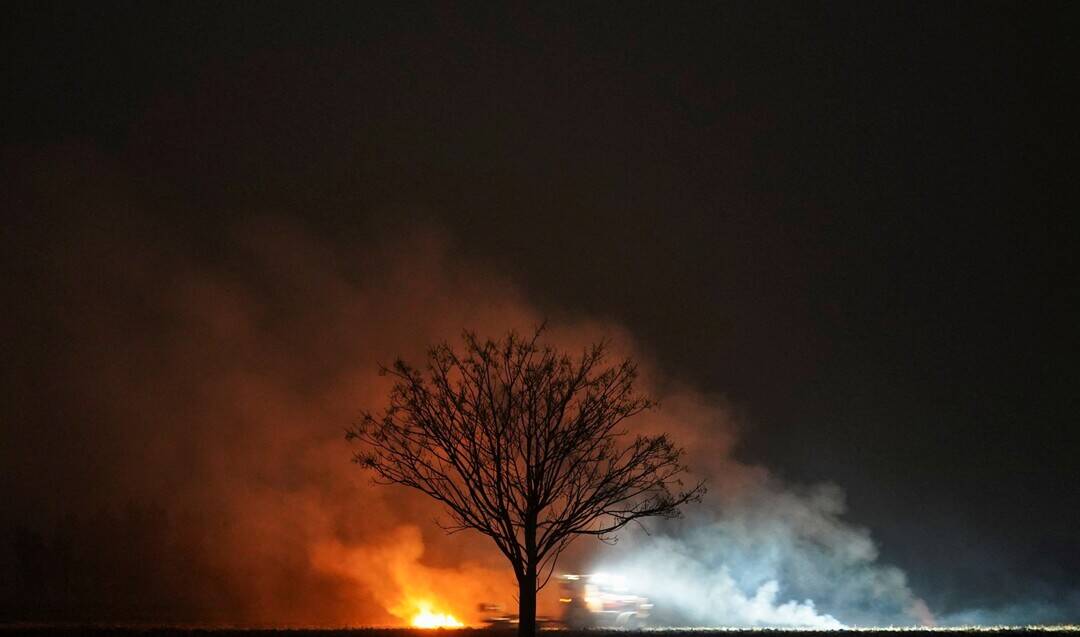
According to NASA, crop fires across northern India are being done later in the day, complicating efforts to monitor them and their impact on air pollution. The space agency noted that while the overall pattern of the stubble-burning season was as per predictions, the daily timing of fires shifted, making it more challenging to track and analyze the phenomenon. This change in timing has significant implications for air quality monitoring and mitigation efforts.
The stubble-burning season in North India typically begins in October and lasts for several weeks, with thousands of farmers setting fire to their crop residue to clear their fields for the next crop cycle. However, this practice releases large amounts of particulate matter, carbon monoxide, and other pollutants into the atmosphere, contributing to severe air quality issues in the region. The pollutants from stubble burning can travel long distances, affecting not only the local population but also neighboring cities and states.
NASA’s observations suggest that the air quality in Delhi and nearby cities deteriorated significantly for about a month after crop fires intensified in October. The city’s air quality index (AQI) soared to hazardous levels, posing serious health risks to residents, particularly children, the elderly, and those with pre-existing medical conditions. The situation was exacerbated by the change in timing of the crop fires, which made it harder for authorities to predict and prepare for the pollution surge.
The space agency used satellite data to track the crop fires and monitor the resulting air pollution. NASA’s satellites, such as the Terra and Aqua satellites, are equipped with instruments that can detect heat signatures from fires and track the movement of pollutants in the atmosphere. By analyzing this data, scientists can identify patterns and trends in stubble burning and its impact on air quality.
The findings from NASA highlight the need for more effective monitoring and mitigation strategies to address the issue of stubble burning and air pollution in North India. The Indian government has implemented various measures to reduce stubble burning, including providing incentives to farmers to adopt alternative methods of crop residue management. However, more needs to be done to address the scale and complexity of the problem.
One possible solution is to promote the use of technology, such as satellite-based monitoring systems, to track crop fires and predict air pollution surges. This can enable authorities to take proactive measures to mitigate the impact of stubble burning, such as deploying air purifiers, restricting vehicular movement, and implementing other emergency measures.
Additionally, there is a need to engage with farmers and other stakeholders to raise awareness about the harmful effects of stubble burning and promote alternative methods of crop residue management. This can include providing training and support to farmers to adopt sustainable agricultural practices, such as zero-burning or reduced-burning techniques, which can help reduce the amount of pollutants released into the atmosphere.
In conclusion, NASA’s observations on stubble burning and air pollution in North India highlight the complexity and severity of the issue. The change in timing of crop fires has added a new layer of challenge to monitoring and mitigating the problem. However, by leveraging technology, engaging with stakeholders, and promoting sustainable agricultural practices, it is possible to reduce the impact of stubble burning and improve air quality in the region.
Source: https://science.nasa.gov/earth/earth-observatory/new-timing-for-stubble-burning-in-india/
About the Author