What has NASA said about pollution & stubble burning in North India?
The issue of pollution and stubble burning in North India has been a persistent concern for several years, with the region experiencing severe air quality deterioration during the winter months. The main culprit behind this environmental hazard is the practice of stubble burning, where farmers set fire to their crop residue after harvesting, releasing large amounts of pollutants into the atmosphere. Recently, NASA has weighed in on the issue, providing valuable insights into the phenomenon of stubble burning and its impact on air pollution in the region.
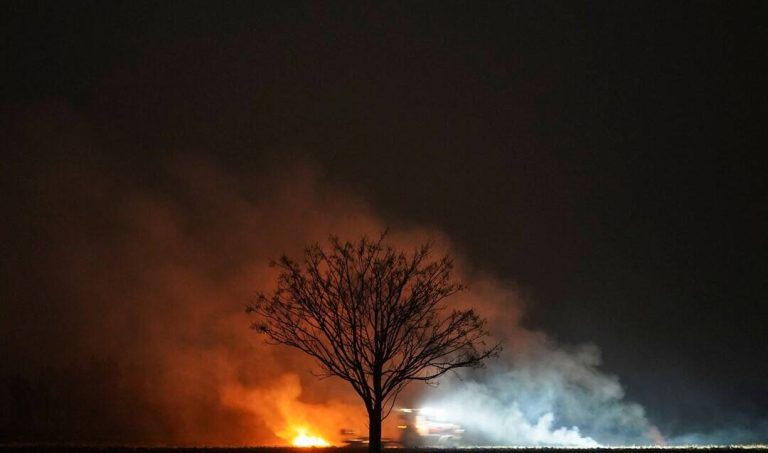
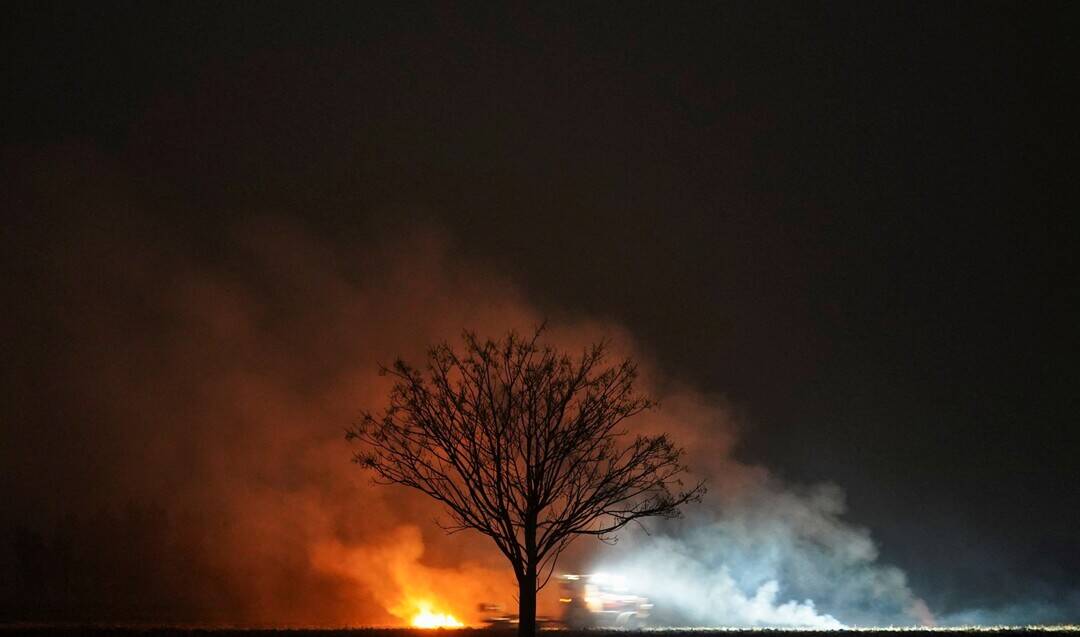
According to NASA, crop fires across northern India are being done later in the day, complicating efforts to monitor them and their impact on air pollution. This shift in the timing of stubble burning has significant implications for the region’s air quality, as it makes it more challenging to track and predict the spread of pollutants. The overall pattern of the stubble-burning season was as per predictions, but the daily timing of fires shifted, making it more difficult to anticipate and prepare for the resulting air pollution.
The air quality in Delhi and nearby cities deteriorated significantly for about a month after crop fires intensified in October. This is not surprising, given the large amount of pollutants released into the atmosphere during stubble burning. The practice of stubble burning is a major contributor to the poor air quality in the region, and the shift in the timing of these fires has only added to the complexity of the problem.
NASA’s observations are based on data from its satellite imagery, which provides a comprehensive view of the crop fires and their impact on the environment. The agency’s Earth Observatory has been monitoring the situation closely, using its advanced technology to track the spread of pollutants and provide insights into the effects of stubble burning on air quality.
The issue of stubble burning is a complex one, with multiple factors contributing to the problem. Farmers in the region often resort to stubble burning as a quick and easy way to dispose of crop residue, despite the environmental hazards it poses. The practice is also driven by economic considerations, as farmers seek to minimize costs and maximize profits. However, the long-term consequences of stubble burning far outweigh any short-term benefits, and it is essential to find alternative solutions to this problem.
One possible solution is to promote sustainable agricultural practices, such as crop rotation and residue management, which can help reduce the amount of crop residue that needs to be burned. Additionally, governments and policymakers can play a crucial role in addressing the issue by providing incentives and support to farmers who adopt environmentally friendly practices.
The impact of stubble burning on air quality is not limited to the local region; it also has far-reaching consequences for the entire country. The pollutants released during stubble burning can travel long distances, affecting not only the immediate surroundings but also distant cities and towns. This highlights the need for a coordinated approach to addressing the issue, one that involves multiple stakeholders and requires a comprehensive strategy to mitigate the effects of stubble burning.
In conclusion, NASA’s observations on the issue of pollution and stubble burning in North India are a timely reminder of the urgent need to address this environmental hazard. The shift in the timing of stubble burning has added a new layer of complexity to the problem, and it is essential to find innovative solutions to mitigate its impact on air quality. By promoting sustainable agricultural practices, providing support to farmers, and adopting a coordinated approach to addressing the issue, we can work towards reducing the harmful effects of stubble burning and improving the air quality in the region.
As we move forward, it is crucial to continue monitoring the situation closely, using advanced technology and satellite imagery to track the spread of pollutants and provide insights into the effects of stubble burning on air quality. By working together and adopting a proactive approach to addressing the issue, we can create a cleaner, healthier environment for future generations.
Source: https://science.nasa.gov/earth/earth-observatory/new-timing-for-stubble-burning-in-india/
About the Author