What has NASA said about pollution & stubble burning in North India?
The issue of stubble burning in North India has been a persistent one, with the region’s farmers resorting to setting fire to their crop residue after harvest, leading to significant air pollution in the area. The problem is particularly pronounced in the states of Punjab, Haryana, and Uttar Pradesh, where the practice is most common. In recent years, the Indian government has taken steps to mitigate the issue, including implementing bans on stubble burning and promoting alternative methods of crop residue management. However, the problem persists, and the air quality in the region, particularly in the capital city of Delhi, continues to deteriorate.
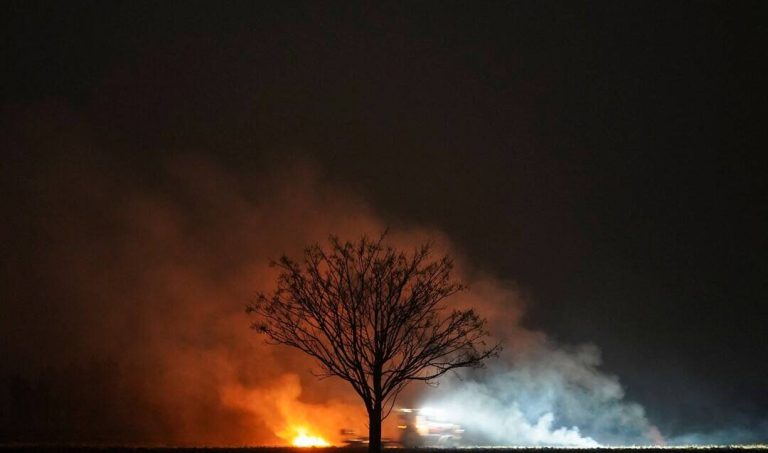
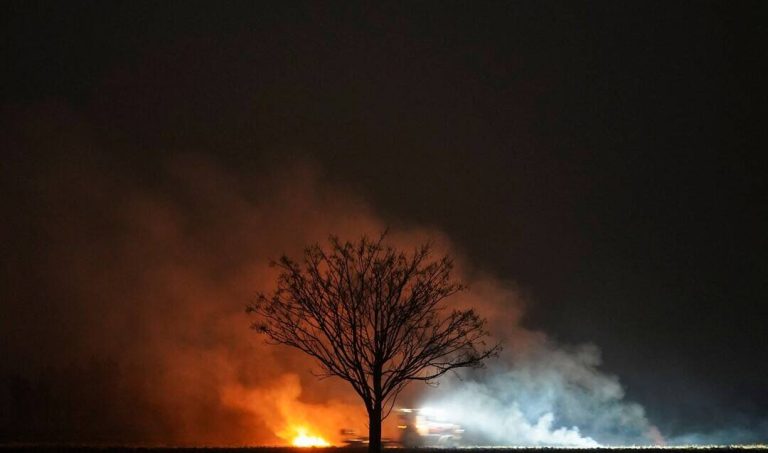
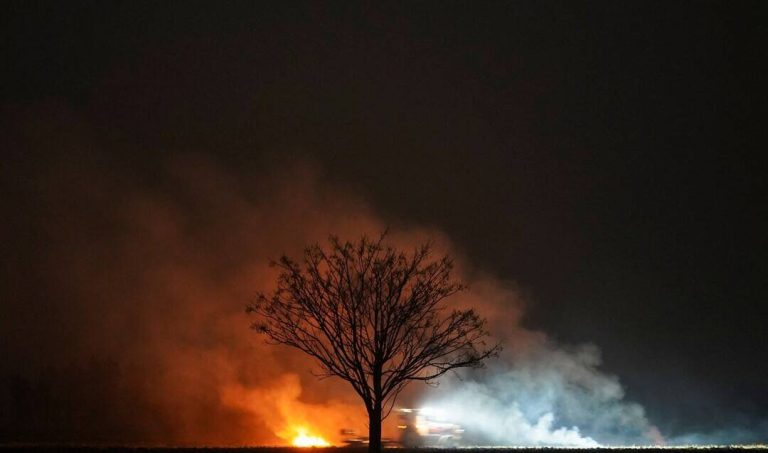
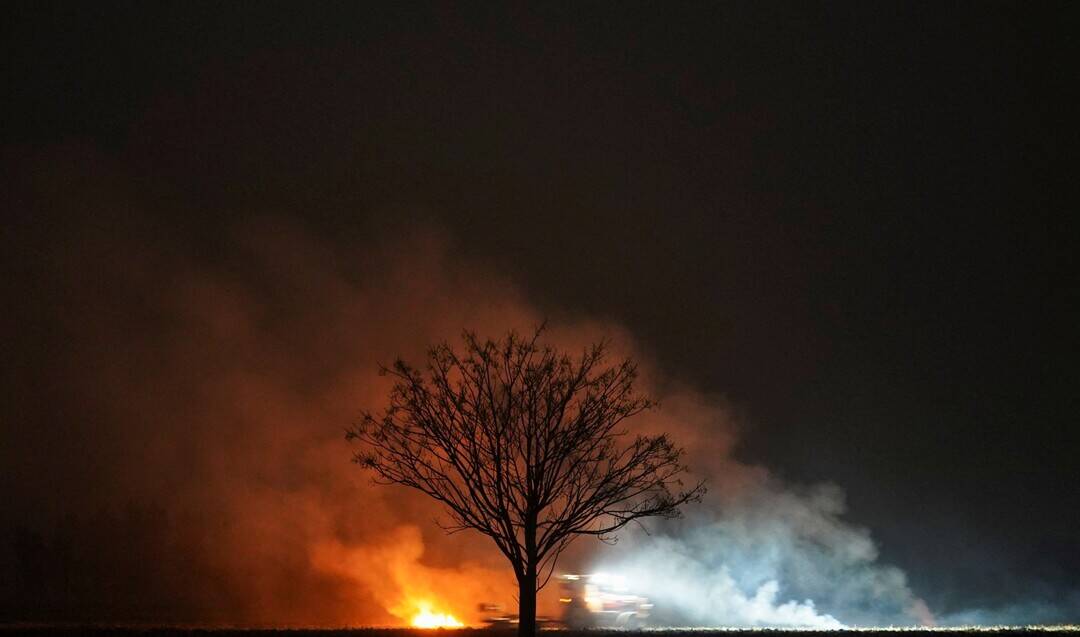
According to a recent report by NASA, the timing of stubble burning in North India has shifted, with farmers now setting fires later in the day. This change in timing has complicated efforts to monitor the fires and their impact on air pollution. NASA’s Earth Observatory reported that the overall pattern of the stubble-burning season was as per predictions, but the daily timing of the fires had shifted. This shift has made it more challenging for authorities to track the fires and assess their impact on air quality.
The report noted that the air quality in Delhi and nearby cities deteriorated significantly for about a month after crop fires intensified in October. This deterioration in air quality had severe implications for the health and well-being of residents in the region. The Indian government has been working to address the issue, but the problem persists, and the air quality in the region remains a significant concern.
The shift in the timing of stubble burning has been attributed to several factors, including changes in weather patterns and the timing of crop harvesting. Farmers in the region typically harvest their crops in October and November, and the timing of the harvest can impact when they set fires to their crop residue. In recent years, the harvest has been taking place later in the season, which has led to a shift in the timing of stubble burning.
NASA’s report highlighted the challenges of monitoring stubble burning in North India. The agency uses satellite data to track fires in the region, but the shift in timing has made it more difficult to do so. The report noted that the fires are now being set later in the day, which can make it harder to detect them using satellite imagery. This has significant implications for efforts to monitor and mitigate the impact of stubble burning on air pollution.
The Indian government has been working to address the issue of stubble burning, and several initiatives have been launched to promote alternative methods of crop residue management. These initiatives include programs to provide farmers with equipment and training to manage their crop residue more effectively. The government has also implemented bans on stubble burning in certain areas, but the practice persists, and more needs to be done to address the issue.
The impact of stubble burning on air pollution in North India is significant. The practice leads to the release of large amounts of particulate matter, carbon monoxide, and other pollutants into the air, which can have severe health implications for residents in the region. The air quality in Delhi and nearby cities is particularly poor during the stubble-burning season, with levels of particulate matter often exceeding safe limits.
In addition to the health implications, stubble burning also has significant environmental impacts. The practice leads to the loss of valuable nutrients in the soil, which can impact crop yields and the overall health of the ecosystem. It also contributes to climate change by releasing greenhouse gases into the atmosphere.
To address the issue of stubble burning, the Indian government needs to take a multi-faceted approach. This includes providing farmers with alternative methods of crop residue management, such as equipment and training to manage their crop residue more effectively. The government also needs to implement and enforce bans on stubble burning, particularly in areas where the practice is most common.
Furthermore, the government needs to work to raise awareness about the impacts of stubble burning on air pollution and the environment. This includes educating farmers about the benefits of alternative methods of crop residue management and the risks associated with stubble burning. The government also needs to work with local communities to develop and implement effective solutions to the problem.
In conclusion, the issue of stubble burning in North India is a complex one, and addressing it will require a sustained effort from the Indian government, farmers, and local communities. The shift in the timing of stubble burning, as reported by NASA, has complicated efforts to monitor and mitigate the impact of the practice on air pollution. However, with the right approach and a commitment to finding effective solutions, it is possible to reduce the impact of stubble burning and improve air quality in the region.
Source: https://science.nasa.gov/earth/earth-observatory/new-timing-for-stubble-burning-in-india/
About the Author