What has NASA said about pollution & stubble burning in North India?
The issue of pollution and stubble burning in North India has been a persistent concern for several years, with the region experiencing severe air quality deterioration during the winter months. The primary cause of this pollution is the practice of stubble burning, where farmers set fire to their crop residue after harvesting, releasing large amounts of pollutants into the atmosphere. Recently, NASA has weighed in on the issue, providing valuable insights into the patterns of stubble burning and its impact on air pollution in the region.
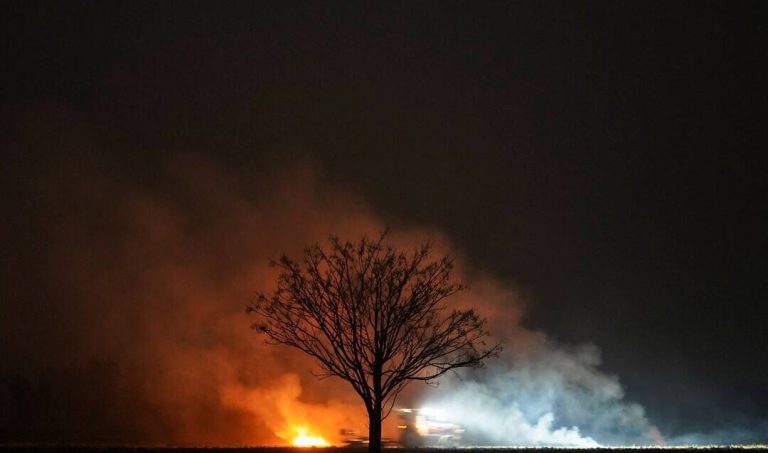
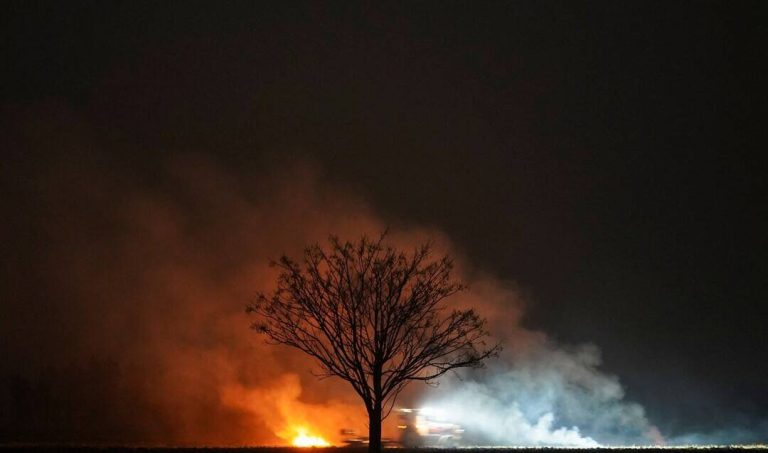
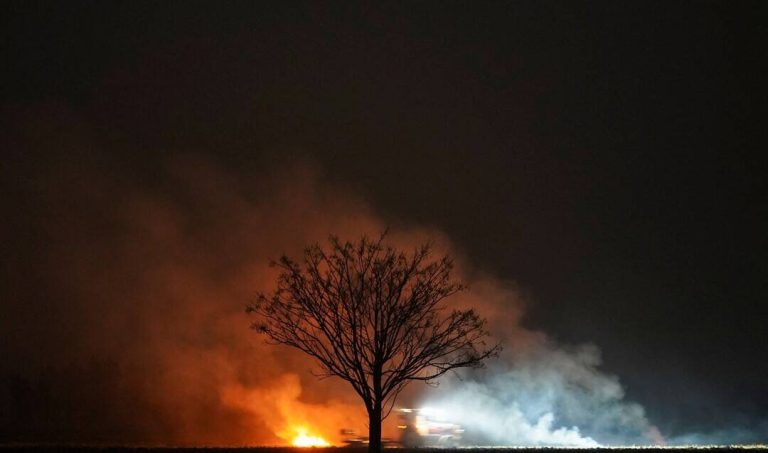
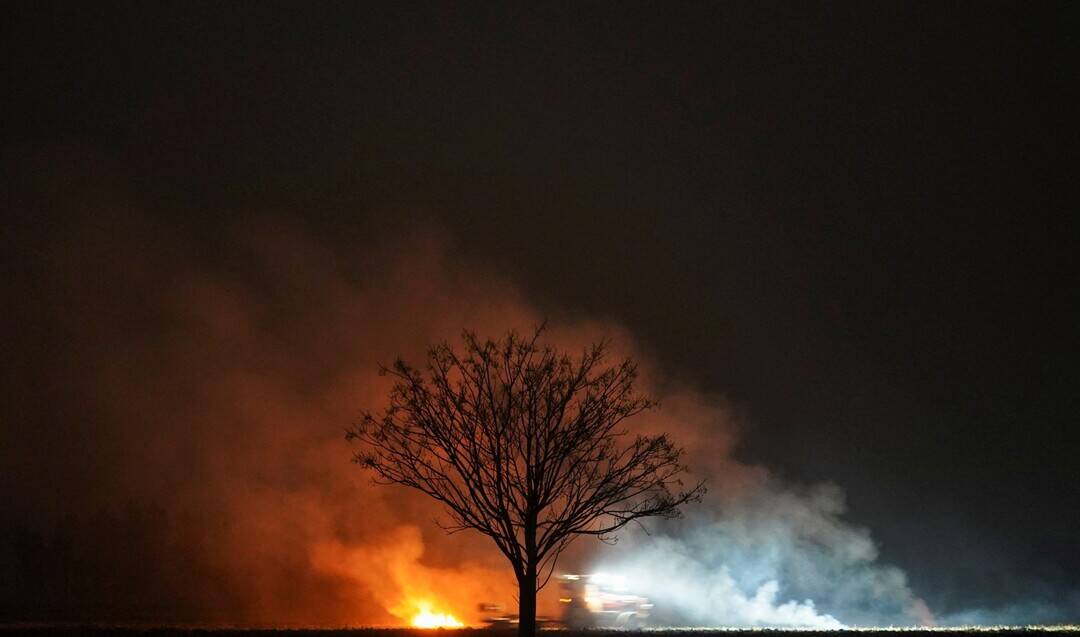
According to NASA, the overall pattern of the stubble-burning season in North India was as per predictions, with the majority of fires occurring in the states of Punjab and Haryana. However, the daily timing of these fires has shifted, with farmers now burning their crop residue later in the day. This change in timing has complicated efforts to monitor the fires and their impact on air pollution, as the smoke and pollutants released by the fires are more likely to be trapped in the atmosphere overnight, exacerbating the pollution problem.
The shift in the timing of stubble burning has significant implications for air quality in the region. As the fires are now being lit later in the day, the smoke and pollutants are more likely to linger in the atmosphere, contributing to the formation of a thick haze that can persist for several days. This haze can have severe consequences for human health, particularly for vulnerable populations such as children, the elderly, and those with pre-existing respiratory conditions.
The impact of stubble burning on air quality in North India is not limited to the rural areas where the fires are occurring. The pollutants released by the fires can travel long distances, affecting air quality in nearby cities, including Delhi. In fact, NASA reports that air quality in Delhi and nearby cities deteriorated significantly for about a month after crop fires intensified in October. This deterioration in air quality is a major concern, as it can have serious health implications for the millions of people living in the region.
The reasons behind the shift in the timing of stubble burning are complex and multifaceted. One possible explanation is that farmers are now burning their crop residue later in the day to avoid detection by authorities, who have been cracking down on the practice in recent years. Another possibility is that the changing weather patterns in the region are affecting the timing of the stubble-burning season, with farmers adapting their practices to the new conditions.
Regardless of the reasons behind the shift in timing, it is clear that the practice of stubble burning remains a major contributor to air pollution in North India. To address this issue, policymakers and farmers will need to work together to develop alternative practices that are more sustainable and environmentally friendly. This could include the use of machines to remove crop residue, or the adoption of new farming practices that reduce the amount of residue generated.
In addition to these efforts, there is a need for more effective monitoring and enforcement of stubble-burning regulations. This could involve the use of satellite imagery and other technologies to track the location and timing of fires, as well as the implementation of stricter penalties for farmers who engage in the practice. By working together to address the issue of stubble burning, it is possible to reduce the pollution and health risks associated with this practice, and to create a cleaner, healthier environment for the people of North India.
In conclusion, NASA’s observations on the shift in the timing of stubble burning in North India highlight the complexity and challenges of addressing the issue of pollution in the region. While the overall pattern of the stubble-burning season was as per predictions, the change in daily timing has significant implications for air quality and human health. To address this issue, it is essential to develop alternative practices, improve monitoring and enforcement, and work together to create a more sustainable and environmentally friendly approach to farming in the region.
News Source: https://science.nasa.gov/earth/earth-observatory/new-timing-for-stubble-burning-in-india/
About the Author