What has NASA said about pollution & stubble burning in North India?
The issue of pollution and stubble burning in North India has been a persistent concern for several years, with the region experiencing severe air quality deterioration during the winter months. The main culprit behind this environmental hazard is the practice of stubble burning, where farmers set fire to their crop residue after harvesting to quickly clear their fields for the next season. This practice releases large amounts of pollutants into the atmosphere, contributing to the poor air quality in the region. Recently, NASA has weighed in on the issue, providing valuable insights into the timing and impact of stubble burning on air pollution in North India.
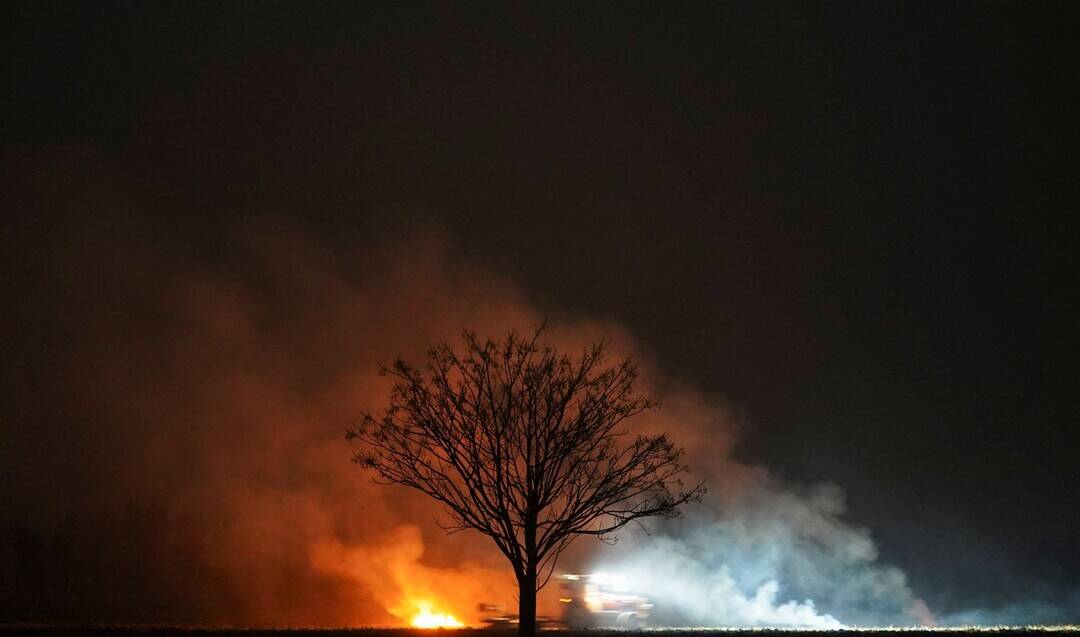
According to NASA, the overall pattern of the stubble-burning season in North India was as per predictions, with the usual surge in crop fires taking place in October. However, the daily timing of these fires has shifted, with farmers now burning their crop residue later in the day. This change in timing has complicated efforts to monitor the fires and their impact on air pollution. Traditionally, farmers would burn their stubble in the early morning hours, but now they are doing so in the late afternoon or evening. This shift in timing has made it more challenging for scientists to track the fires and assess their contribution to air pollution.
The impact of this change in timing is significant, as it affects the way pollutants disperse in the atmosphere. When crop residue is burned during the day, the pollutants released tend to rise and disperse more easily, carried away by daytime winds. In contrast, when burning takes place in the late afternoon or evening, the pollutants tend to accumulate near the surface, as the atmosphere cools and becomes more stable. This can lead to a greater buildup of pollutants in the region, exacerbating the air quality problems.
The consequences of this shift in timing are already being felt in Delhi and nearby cities, where air quality has deteriorated significantly in recent weeks. For about a month after the crop fires intensified in October, the air quality in these cities was severely impacted, with pollutant levels exceeding safe limits. The situation is particularly concerning in Delhi, which is already one of the most polluted cities in the world. The addition of stubble-burning pollutants to the already poor air quality in the city has created a toxic mix, posing serious health risks to residents.
NASA’s observations on the timing of stubble burning in North India are based on data from its satellites, which are equipped with specialized sensors to detect and track crop fires. The agency’s Earth Observing System has been monitoring the region for several years, providing valuable insights into the patterns and trends of stubble burning. By analyzing this data, scientists can better understand the factors driving the practice of stubble burning and identify potential solutions to mitigate its impact on air pollution.
One possible solution to the problem of stubble burning is to promote alternative methods of crop residue management. Instead of burning their stubble, farmers could be incentivized to adopt more sustainable practices, such as incorporating the residue into the soil or using it as a natural fertilizer. This approach not only reduces air pollution but also improves soil health and fertility, benefiting the farmers and the environment.
Another approach is to implement policies and regulations to restrict stubble burning. Governments in the region could establish strict guidelines and penalties for farmers who engage in the practice, while also providing support and resources for those who adopt alternative methods. Additionally, public awareness campaigns could be launched to educate farmers and residents about the dangers of stubble burning and the importance of protecting air quality.
In conclusion, NASA’s observations on the timing of stubble burning in North India highlight the complexities and challenges of addressing air pollution in the region. The shift in timing of crop fires has significant implications for air quality, and it is essential to develop effective strategies to mitigate the impact of stubble burning. By promoting alternative methods of crop residue management, implementing policies and regulations, and raising public awareness, we can work towards reducing the environmental and health hazards associated with stubble burning.
As we move forward, it is crucial to continue monitoring the situation and gathering data on the patterns and trends of stubble burning. NASA’s Earth Observing System will play a critical role in this effort, providing valuable insights and information to inform policy and decision-making. By working together and adopting a multi-faceted approach, we can address the issue of pollution and stubble burning in North India and create a healthier, more sustainable environment for all.
News Source: https://science.nasa.gov/earth/earth-observatory/new-timing-for-stubble-burning-in-india/
About the Author