What has NASA said about pollution & stubble burning in North India?
The issue of pollution and stubble burning in North India has been a persistent one, with the region experiencing severe air quality deterioration every year during the stubble-burning season. The problem is not only limited to the local population but also has far-reaching consequences for the environment and human health. Recently, NASA has weighed in on the issue, providing valuable insights into the patterns and impacts of stubble burning in North India.
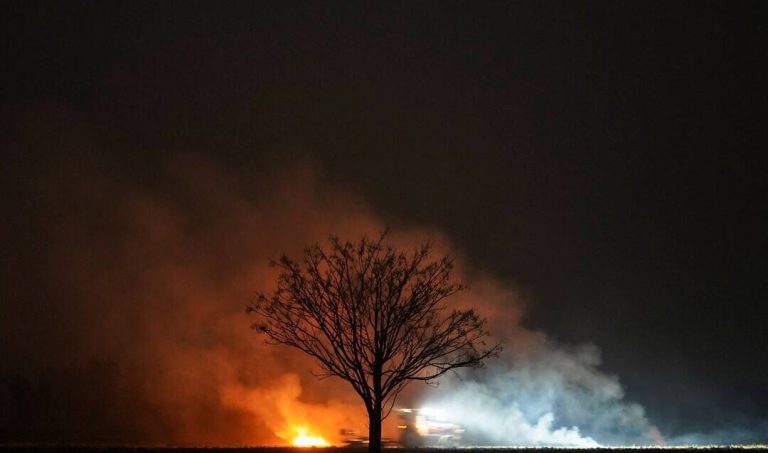
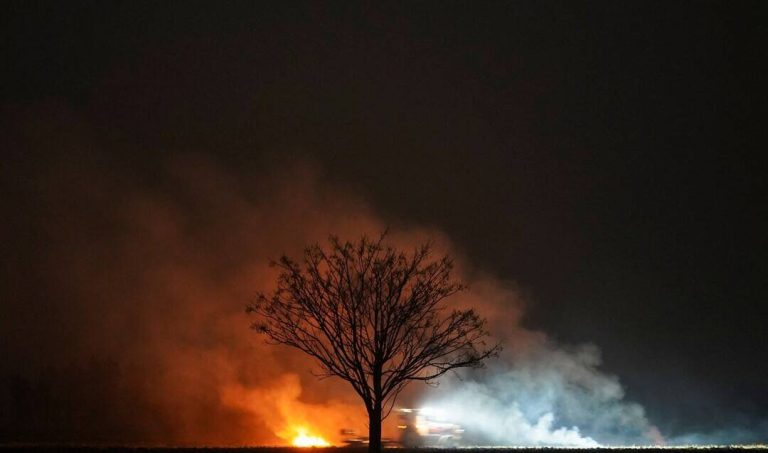
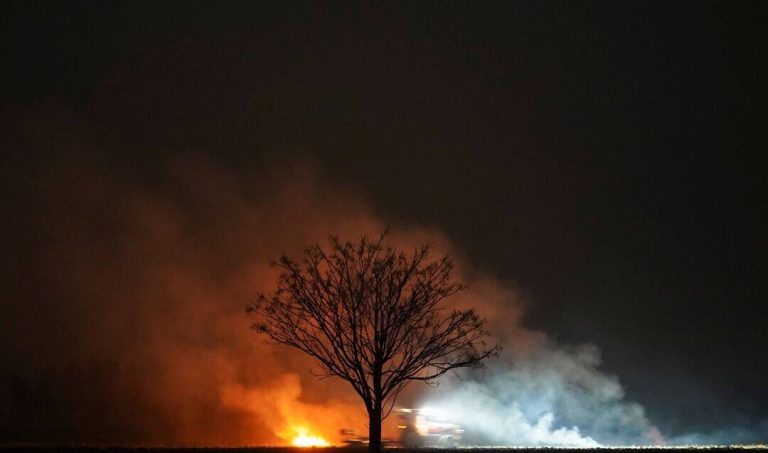
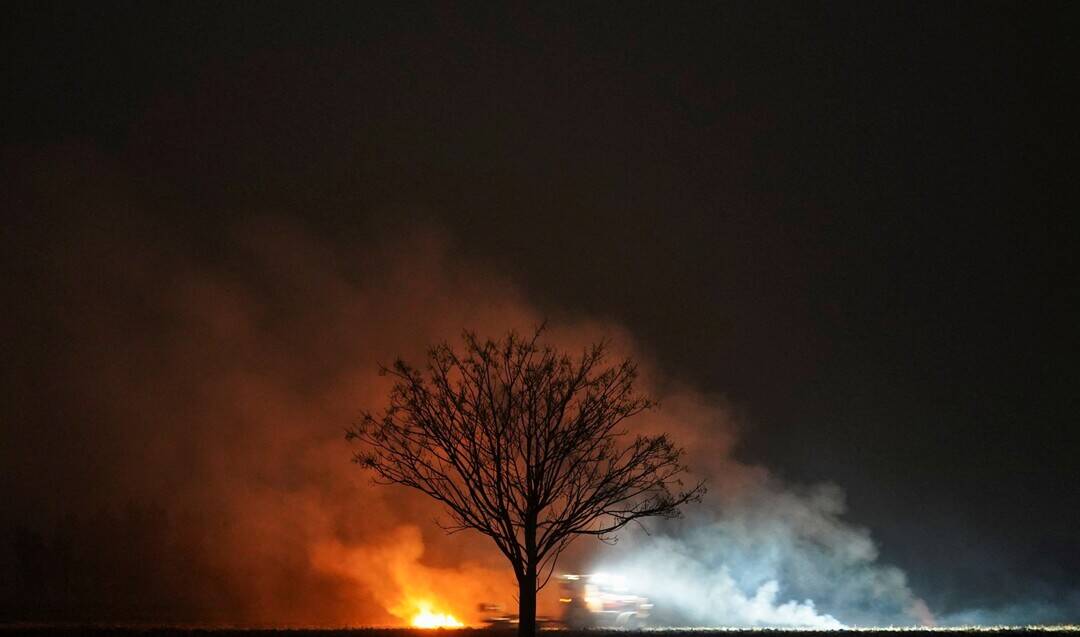
According to NASA, crop fires across northern India are being done later in the day, complicating efforts to monitor them and their impact on air pollution. This shift in the timing of stubble burning has significant implications for air quality monitoring and mitigation efforts. The overall pattern of the stubble-burning season was as per predictions, but the daily timing of fires shifted, making it more challenging to track and assess the effects of these fires on air pollution.
The stubble-burning season in North India typically begins in October and lasts for several weeks. During this period, farmers in the region burn crop residue to clear their fields for the next planting season. While this practice may be convenient for farmers, it has severe consequences for the environment and human health. The burning of crop residue releases large amounts of pollutants into the air, including particulate matter, carbon monoxide, and volatile organic compounds.
These pollutants can travel long distances, affecting not only the local population but also neighboring cities and states. In recent years, the air quality in Delhi and nearby cities has deteriorated significantly during the stubble-burning season, with particulate matter levels often exceeding safe limits. This has serious implications for human health, particularly for vulnerable populations such as children, the elderly, and those with pre-existing medical conditions.
NASA’s observations on the timing of stubble burning in North India are significant because they highlight the complexities of monitoring and mitigating the effects of these fires. The fact that crop fires are being done later in the day makes it more challenging to track them using satellite imagery, which is often used to monitor fire activity. This, in turn, can lead to delays in responding to fires and mitigating their impacts on air pollution.
Furthermore, the shift in the timing of stubble burning can also affect the accuracy of air quality forecasts. Air quality models rely on data on fire activity, weather patterns, and other factors to predict pollution levels. If the timing of stubble burning is not accurately accounted for, these models may not be able to provide reliable forecasts, making it more challenging to take proactive measures to mitigate the effects of pollution.
The impact of stubble burning on air pollution in North India is not limited to the local region. The pollutants released by these fires can travel long distances, affecting air quality in neighboring cities and states. In recent years, the air quality in Delhi and nearby cities has deteriorated significantly during the stubble-burning season, with particulate matter levels often exceeding safe limits.
To address the issue of stubble burning and its impacts on air pollution, the Indian government has implemented several measures. These include providing financial incentives to farmers to adopt alternative methods of crop residue management, such as baling and composting. Additionally, the government has also launched initiatives to promote the use of machines that can collect and dispose of crop residue in an environmentally friendly manner.
However, more needs to be done to address the issue of stubble burning and its impacts on air pollution. This includes increasing awareness among farmers about the harmful effects of stubble burning and providing them with access to alternative methods of crop residue management. Additionally, the government needs to strengthen enforcement mechanisms to prevent stubble burning and impose penalties on those who engage in this practice.
In conclusion, NASA’s observations on the timing of stubble burning in North India highlight the complexities of monitoring and mitigating the effects of these fires. The shift in the timing of stubble burning can affect the accuracy of air quality forecasts and make it more challenging to track and respond to fires. To address the issue of stubble burning and its impacts on air pollution, a multi-faceted approach is needed that includes increasing awareness among farmers, providing access to alternative methods of crop residue management, and strengthening enforcement mechanisms.
The Indian government needs to work closely with farmers, researchers, and other stakeholders to develop and implement effective solutions to the problem of stubble burning. This includes investing in research and development to identify new and innovative methods of crop residue management, as well as providing financial incentives to farmers to adopt these methods.
Ultimately, addressing the issue of stubble burning and its impacts on air pollution requires a sustained and collective effort. By working together, we can reduce the harmful effects of stubble burning and create a cleaner, healthier environment for everyone.
Source: https://science.nasa.gov/earth/earth-observatory/new-timing-for-stubble-burning-in-india/
About the Author