What has NASA said about pollution & stubble burning in North India?
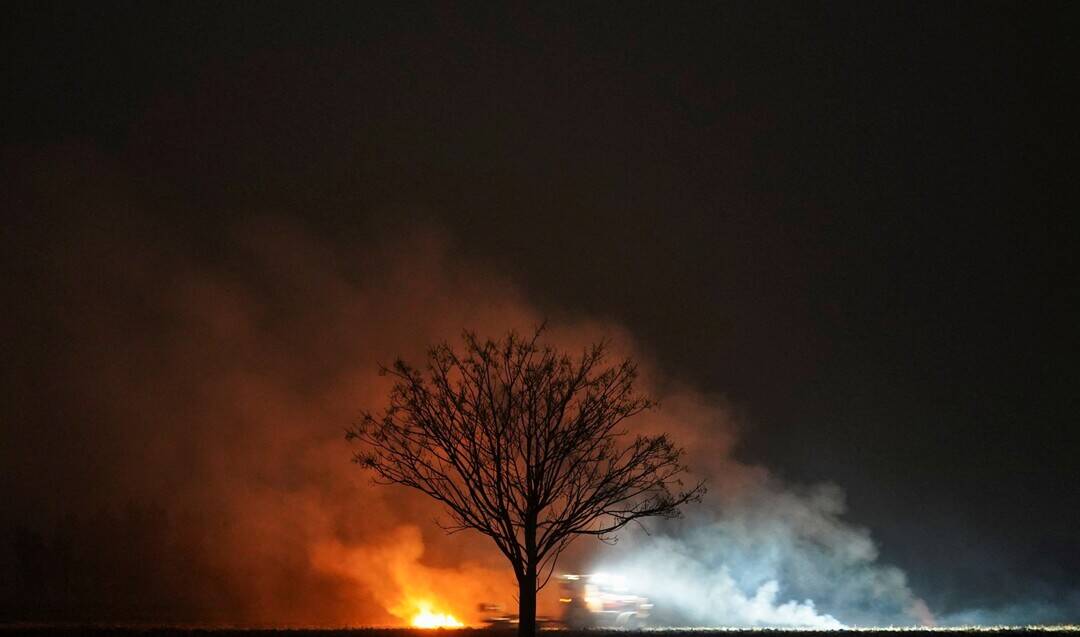
The issue of pollution and stubble burning in North India has been a persistent concern for several years, with the region experiencing severe air quality deterioration during the winter months. The main culprit behind this pollution is the practice of stubble burning, where farmers set fire to their crop residue after harvesting, releasing large amounts of pollutants into the atmosphere. Recently, NASA has weighed in on the issue, providing valuable insights into the patterns and impact of stubble burning in North India.
According to NASA, the timing of stubble burning in North India has undergone a significant shift in recent years. Traditionally, farmers in the region would burn their crop residue early in the morning, but now they are doing so later in the day. This change in timing has complicated efforts to monitor the fires and their impact on air pollution. NASA’s observations suggest that while the overall pattern of the stubble-burning season was as predicted, the daily timing of the fires has shifted, making it more challenging to track and mitigate their effects.
The consequences of this shift in timing are far-reaching. As the crop fires intensified in October, air quality in Delhi and nearby cities deteriorated significantly, remaining poor for about a month. This is a major concern, as poor air quality can have severe health implications, particularly for vulnerable populations such as children, the elderly, and those with pre-existing medical conditions. The economic impact of pollution is also significant, with losses estimated to be in the billions of dollars.
NASA’s observations are based on data from its satellite imagery, which provides a comprehensive view of the region and allows scientists to track the movement and intensity of the fires. The agency’s Earth Observing System has been instrumental in monitoring the stubble-burning season, providing critical information on the location, timing, and extent of the fires. This data is essential for policymakers and researchers, who can use it to develop effective strategies for reducing the impact of stubble burning on air pollution.
The practice of stubble burning is a complex issue, driven by a combination of factors including agricultural practices, economic constraints, and lack of awareness. Farmers in North India often resort to burning their crop residue as a quick and cheap way to clear their fields, despite the negative environmental consequences. However, this practice is not only harmful to the environment, but it also affects the health and well-being of the farmers themselves, as well as the surrounding communities.
To address the issue of stubble burning, the Indian government has implemented several measures, including the promotion of alternative farming practices, such as zero-burn agriculture, and the provision of incentives for farmers to adopt more sustainable methods. Additionally, there are efforts to raise awareness among farmers and the general public about the harmful effects of stubble burning and the importance of adopting environmentally friendly practices.
Despite these efforts, the problem of stubble burning persists, and more needs to be done to address the root causes of the issue. NASA’s observations highlight the need for continued monitoring and research into the patterns and impact of stubble burning, as well as the development of effective strategies for reducing its effects on air pollution. By working together, governments, researchers, and farmers can find solutions to this complex problem and improve the air quality in North India.
In conclusion, NASA’s observations on the timing of stubble burning in North India are a significant contribution to our understanding of this complex issue. The shift in the daily timing of the fires has important implications for monitoring and mitigating their impact on air pollution. As the region continues to grapple with the challenges of stubble burning, it is essential that we continue to support research and development of effective strategies for reducing its effects. By working together, we can improve the air quality in North India and promote a healthier, more sustainable environment for all.
News Source: https://science.nasa.gov/earth/earth-observatory/new-timing-for-stubble-burning-in-india/
About the Author