What has NASA said about pollution & stubble burning in North India?
The issue of pollution and stubble burning in North India has been a persistent concern for several years, with the region experiencing severe air quality deterioration during the winter months. The main culprit behind this pollution is the practice of stubble burning, where farmers set fire to their crop residue after harvesting, releasing large amounts of pollutants into the atmosphere. Recently, NASA has weighed in on the issue, providing valuable insights into the patterns of stubble burning and its impact on air pollution in the region.
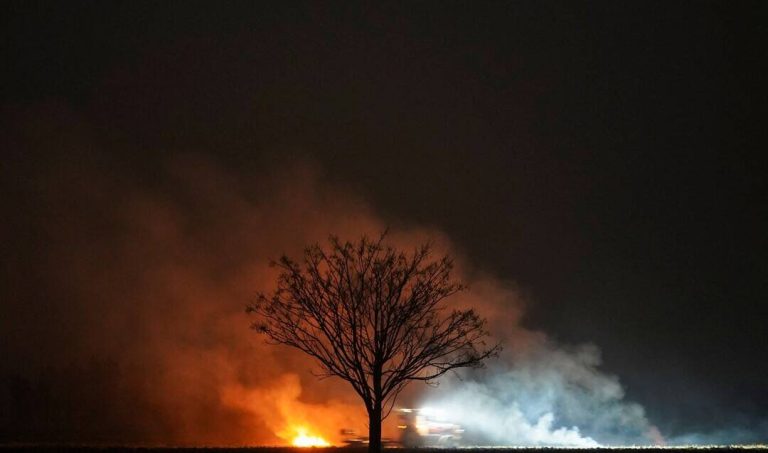
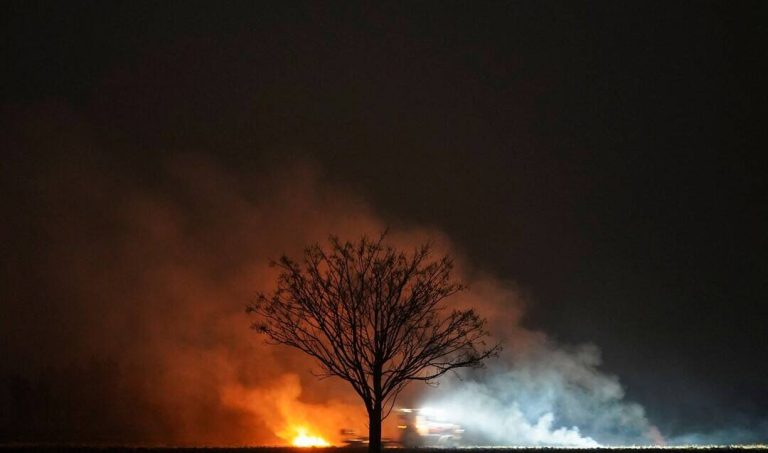
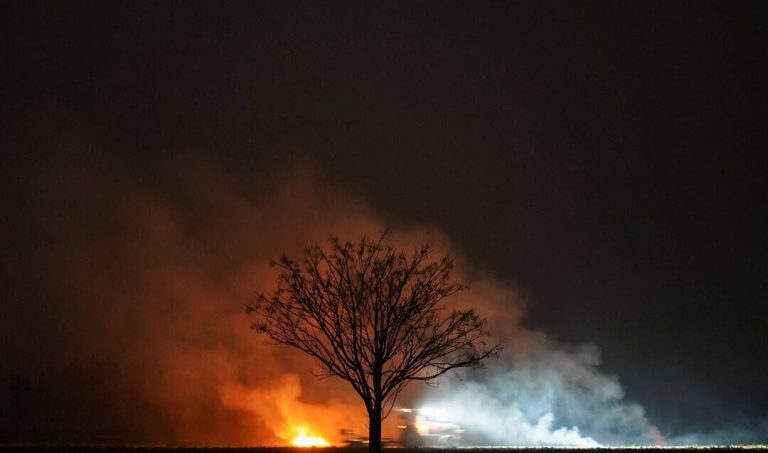
According to NASA, the overall pattern of the stubble-burning season in North India was as per predictions, with the usual spike in crop fires during the month of October. However, the daily timing of these fires has shifted, with farmers now burning their crop residue later in the day. This change in timing has complicated efforts to monitor the fires and their impact on air pollution, as satellite sensors are more effective at detecting fires during the daytime.
The shift in the timing of stubble burning has significant implications for air quality monitoring in the region. Satellite sensors, such as those on board NASA’s Terra and Aqua satellites, use infrared radiation to detect heat signatures from fires. However, these sensors are more effective at detecting fires during the daytime, when the sun is overhead, and less effective at night. As a result, the later timing of stubble burning means that some fires may go undetected, making it more challenging to accurately monitor the extent of the problem.
The impact of stubble burning on air quality in North India is well-documented. The region experiences severe air pollution during the winter months, with particulate matter (PM) levels often exceeding safe limits. The burning of crop residue releases large amounts of PM, carbon monoxide, and other pollutants into the atmosphere, which can travel long distances and affect not just the local population but also neighboring cities.
In October, the air quality in Delhi and nearby cities deteriorated significantly, with PM levels exceeding safe limits for several weeks. This deterioration in air quality was directly linked to the intensification of crop fires in the region. The situation was exacerbated by weather conditions, with a high-pressure system over the region trapping pollutants and preventing them from dispersing.
NASA’s observations of stubble burning in North India are based on data from its satellite sensors, which provide a comprehensive view of the region’s fires. The agency’s satellites are equipped with thermal infrared sensors that can detect heat signatures from fires, allowing researchers to track the location, size, and duration of fires. This data is then used to estimate the amount of pollutants released into the atmosphere and to model the impact of these pollutants on air quality.
The findings of NASA’s study on stubble burning in North India have significant implications for policymakers and researchers. The shift in the timing of stubble burning highlights the need for more effective monitoring systems, which can detect fires at any time of day. Additionally, the study underscores the importance of addressing the root causes of stubble burning, such as the lack of alternative methods for disposing of crop residue.
To mitigate the impact of stubble burning on air pollution, the Indian government has implemented several measures, including a ban on stubble burning and the promotion of alternative methods for disposing of crop residue. However, more needs to be done to address this complex issue, which requires a coordinated effort from farmers, policymakers, and researchers.
In conclusion, NASA’s observations of stubble burning in North India provide valuable insights into the patterns of this practice and its impact on air pollution. The shift in the timing of stubble burning highlights the need for more effective monitoring systems and underscores the importance of addressing the root causes of this practice. As the region continues to grapple with the issue of air pollution, it is essential that policymakers and researchers work together to develop effective solutions to this complex problem.
Source: https://science.nasa.gov/earth/earth-observatory/new-timing-for-stubble-burning-in-india/
About the Author