What has NASA said about pollution & stubble burning in North India?
The issue of pollution and stubble burning in North India has been a major concern for several years now. The practice of burning crop residue, particularly in the states of Punjab and Haryana, has been identified as a significant contributor to air pollution in the region. The problem is not only limited to the local area but also affects the air quality in nearby cities, including Delhi. Recently, NASA has shed some light on the issue, providing valuable insights into the patterns of stubble burning and its impact on air pollution.
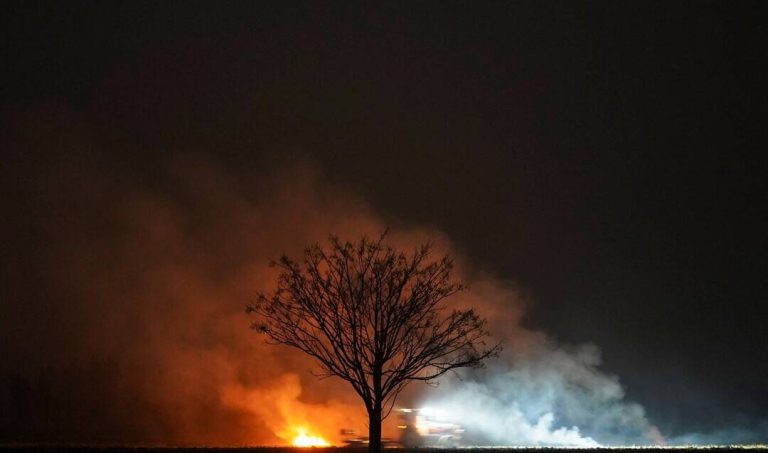
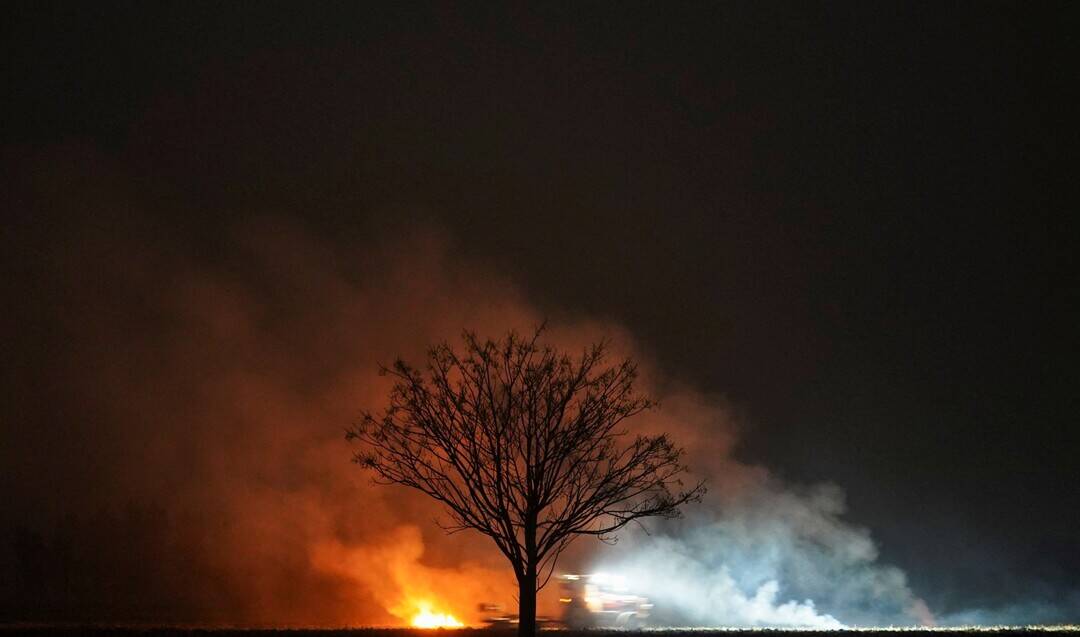
According to NASA, the overall pattern of the stubble-burning season in North India was as per predictions, but the daily timing of the fires shifted. This change in timing has complicated efforts to monitor the fires and their impact on air pollution. In the past, farmers in the region would typically set fire to their fields in the early morning or late evening, but this year, the fires are being done later in the day. This shift in timing has made it more challenging for authorities to track the fires and assess their impact on air quality.
The air quality in Delhi and nearby cities deteriorated significantly for about a month after the crop fires intensified in October. The city’s air quality index (AQI) soared to hazardous levels, posing a significant threat to the health and well-being of its residents. The situation was exacerbated by the fact that the winds were not strong enough to disperse the pollutants, allowing them to accumulate in the atmosphere.
NASA’s observations are based on data from its satellite sensors, which are designed to detect and monitor fires around the world. The agency’s Earth Observing System has been tracking the stubble-burning season in North India for several years, providing valuable insights into the patterns and trends of the practice. By analyzing the data from its satellite sensors, NASA has been able to identify the areas where the fires are most intense and the times of day when they are most likely to occur.
The shift in the timing of the fires is likely due to a combination of factors, including changes in weather patterns and the timing of the harvest season. Farmers in the region may be waiting until later in the day to set fire to their fields, possibly to avoid the cooler morning temperatures or to take advantage of the warmer afternoon temperatures. Whatever the reason, the change in timing has significant implications for efforts to monitor and mitigate the impact of the fires on air pollution.
The issue of stubble burning in North India is complex and multifaceted, involving not only environmental concerns but also social and economic factors. The practice is often seen as a necessary evil by farmers, who use it as a quick and effective way to clear their fields of crop residue. However, the environmental impact of the practice is significant, and efforts are being made to find alternative solutions that are more sustainable and environmentally friendly.
In recent years, the Indian government has implemented a number of measures to reduce the incidence of stubble burning, including providing financial incentives to farmers who adopt alternative methods of crop residue management. The government has also launched a number of initiatives to promote the use of technology, such as happy seeders and zero-till drills, which can help to reduce the amount of crop residue that is generated and minimize the need for burning.
Despite these efforts, the problem of stubble burning in North India remains a significant challenge. The issue is deeply ingrained in the agricultural practices of the region, and it will likely take time and effort to change the behavior of farmers and other stakeholders. However, with the help of organizations like NASA, which are providing valuable insights and data on the issue, it is possible to develop more effective solutions to the problem.
In conclusion, NASA’s observations on the stubble-burning season in North India provide valuable insights into the patterns and trends of the practice. The shift in the timing of the fires has significant implications for efforts to monitor and mitigate the impact of the fires on air pollution. As the Indian government and other stakeholders continue to work on finding solutions to the problem, it is essential to consider the complexities of the issue and the need for a multifaceted approach that takes into account the social, economic, and environmental factors at play.
Source: https://science.nasa.gov/earth/earth-observatory/new-timing-for-stubble-burning-in-india/
About the Author