West Antarctic ice melt could weaken ocean carbon absorption
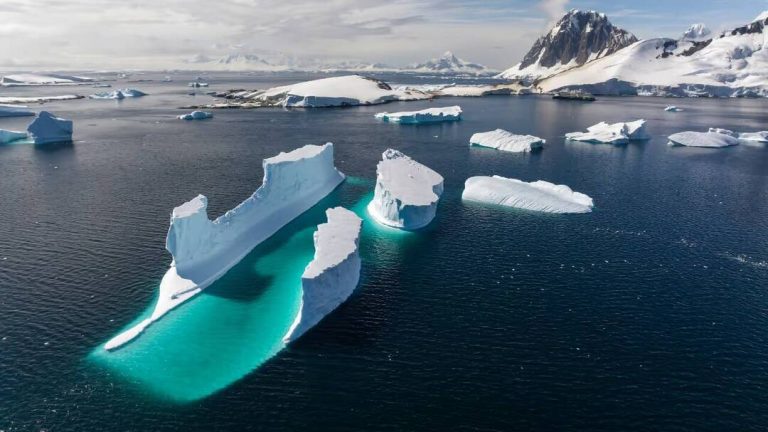
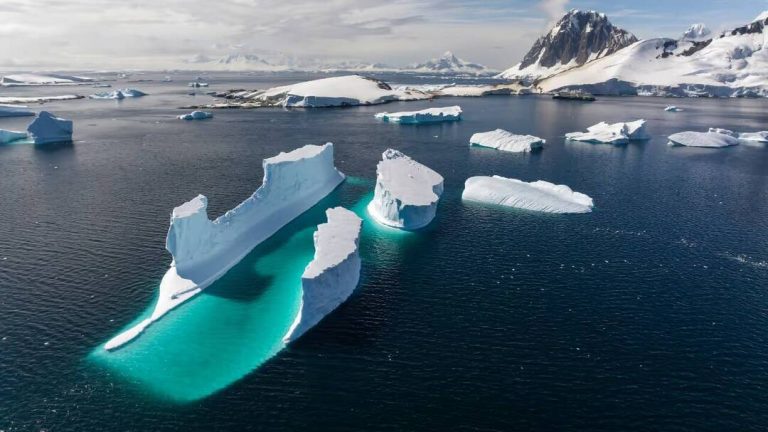
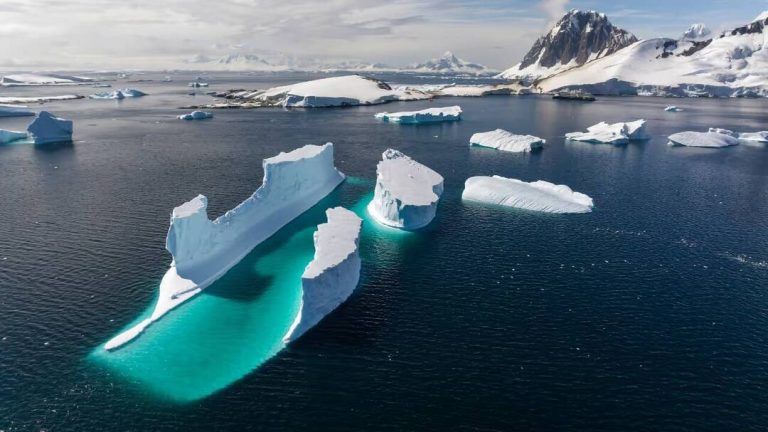
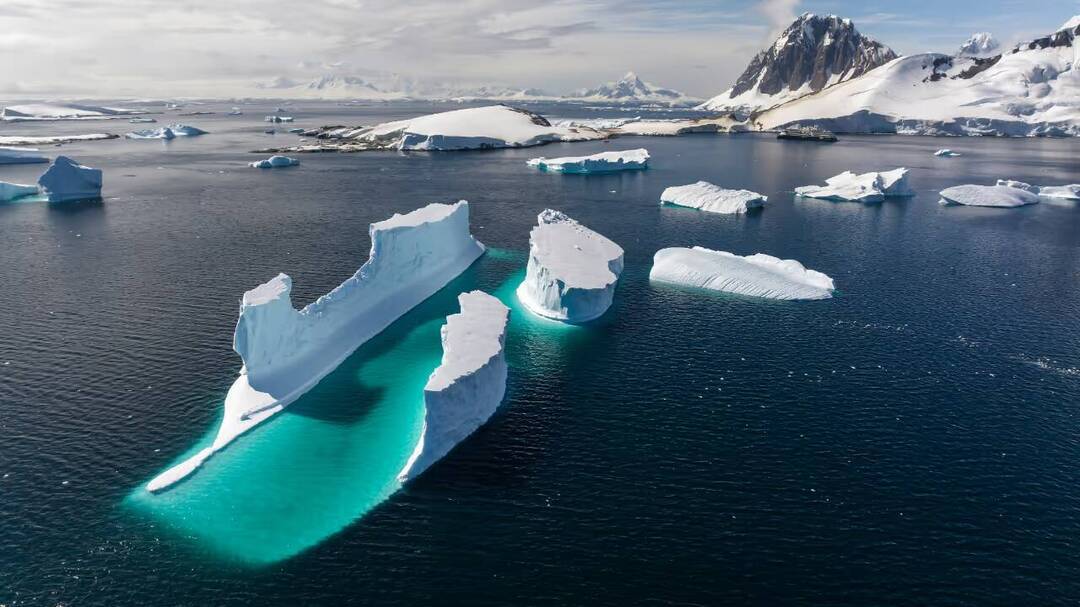
The West Antarctic Ice Sheet has been a subject of concern for climate scientists in recent years, as its melting has been accelerating at an alarming rate. A new study has revealed that the melting of this ice sheet could have a significant impact on the Southern Ocean’s ability to absorb carbon dioxide, a crucial process that helps regulate the Earth’s climate. According to scientists, the icebergs that break off from the West Antarctic Ice Sheet release iron into the ocean, which is essential for the growth of algae, a key player in absorbing carbon dioxide. However, much of the iron released is in a form that is unusable by algae, limiting the ocean’s ability to capture carbon.
The Southern Ocean, which surrounds Antarctica, plays a critical role in the global carbon cycle, absorbing approximately 40% of the carbon dioxide released into the atmosphere. This process helps to mitigate the effects of climate change by reducing the amount of greenhouse gases in the atmosphere. However, the new study suggests that the melting of the West Antarctic Ice Sheet could weaken this process, leading to a reduction in the ocean’s ability to absorb carbon dioxide.
The study’s findings are based on an analysis of past warming events, which show that the West Antarctic Ice Sheet is highly sensitive to changes in temperature. During these events, the ice sheet melted rapidly, releasing large amounts of iron into the ocean. While this iron is essential for the growth of algae, much of it is in the form of iron oxides, which are not readily available for use by algae. As a result, the growth of algae is limited, reducing the ocean’s ability to absorb carbon dioxide.
The implications of this study are significant, as they suggest that the melting of the West Antarctic Ice Sheet could create a feedback loop, where the reduced ability of the ocean to absorb carbon dioxide leads to further warming, which in turn accelerates the melting of the ice sheet. This feedback loop could make it even more challenging to slow down climate change, as the ocean’s ability to regulate the climate is reduced.
The study’s authors warn that the melting of the West Antarctic Ice Sheet is not just a concern for the future, but is already happening at an alarming rate. The ice sheet has been losing mass at a rate of approximately 150 billion tons per year, which is contributing to sea level rise and other climate-related impacts. The study’s findings highlight the need for urgent action to reduce greenhouse gas emissions and slow down climate change, in order to prevent the worst impacts of the melting of the West Antarctic Ice Sheet.
The impact of the melting of the West Antarctic Ice Sheet on the Southern Ocean’s ability to absorb carbon dioxide is not the only concern. The ice sheet’s melting also has significant implications for sea level rise, as it contains approximately 3.3 meters of sea level equivalent. If the ice sheet were to melt completely, it would raise sea levels by several meters, displacing millions of people and causing significant damage to coastal ecosystems and infrastructure.
In addition to the impact on sea level rise, the melting of the West Antarctic Ice Sheet also has significant implications for marine ecosystems. The ice sheet’s melting is changing the ocean’s chemistry, leading to acidification and reduced oxygen levels, which can have devastating impacts on marine life. The loss of ice cover is also altering the distribution and abundance of marine species, leading to changes in the food web and ecosystem function.
The study’s findings are a stark reminder of the urgent need to address climate change. The melting of the West Antarctic Ice Sheet is just one of many climate-related impacts that are already being felt around the world. Rising temperatures, more frequent natural disasters, and changes in precipitation patterns are all having significant impacts on ecosystems, economies, and human societies.
In order to mitigate the impacts of climate change, it is essential to reduce greenhouse gas emissions and transition to a low-carbon economy. This can be achieved through a range of measures, including increasing energy efficiency, investing in renewable energy, and protecting natural carbon sinks like forests and wetlands. It is also essential to support climate change research and monitoring, in order to better understand the impacts of climate change and develop effective strategies for mitigating and adapting to these impacts.
In conclusion, the melting of the West Antarctic Ice Sheet is a significant concern for climate scientists, as it could weaken the Southern Ocean’s ability to absorb carbon dioxide. The study’s findings highlight the need for urgent action to reduce greenhouse gas emissions and slow down climate change, in order to prevent the worst impacts of the melting of the ice sheet. It is essential to support climate change research and monitoring, and to take action to reduce our carbon footprint and transition to a low-carbon economy.
About the Author