West Antarctic ice melt could weaken ocean carbon absorption
The West Antarctic Ice Sheet has been a subject of concern for climate scientists in recent years, with its melting posing a significant threat to global sea levels and the overall health of our planet. Now, a new warning has been issued by scientists, suggesting that the melting of this ice sheet could have a devastating impact on the Southern Ocean’s ability to absorb carbon dioxide. This could, in turn, create a feedback loop that makes climate change even harder to slow down.
The Southern Ocean, which surrounds Antarctica, plays a crucial role in absorbing carbon dioxide from the atmosphere. It is estimated that this ocean absorbs around 40% of the carbon dioxide emitted by human activities, making it a vital component in the fight against climate change. However, the melting of the West Antarctic Ice Sheet could weaken this ability, with significant consequences for the planet.
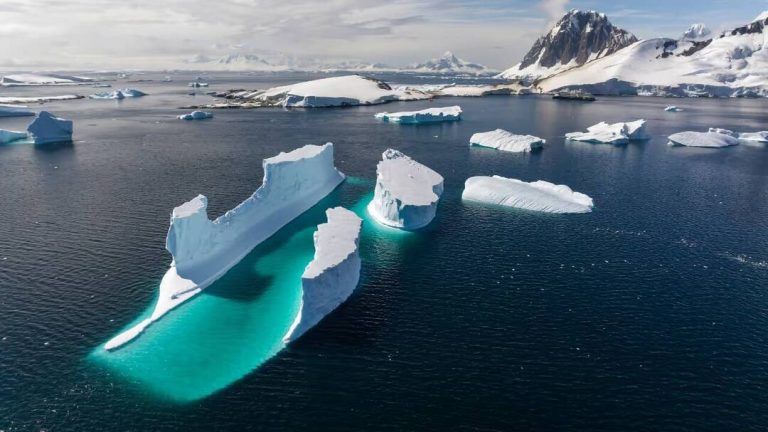
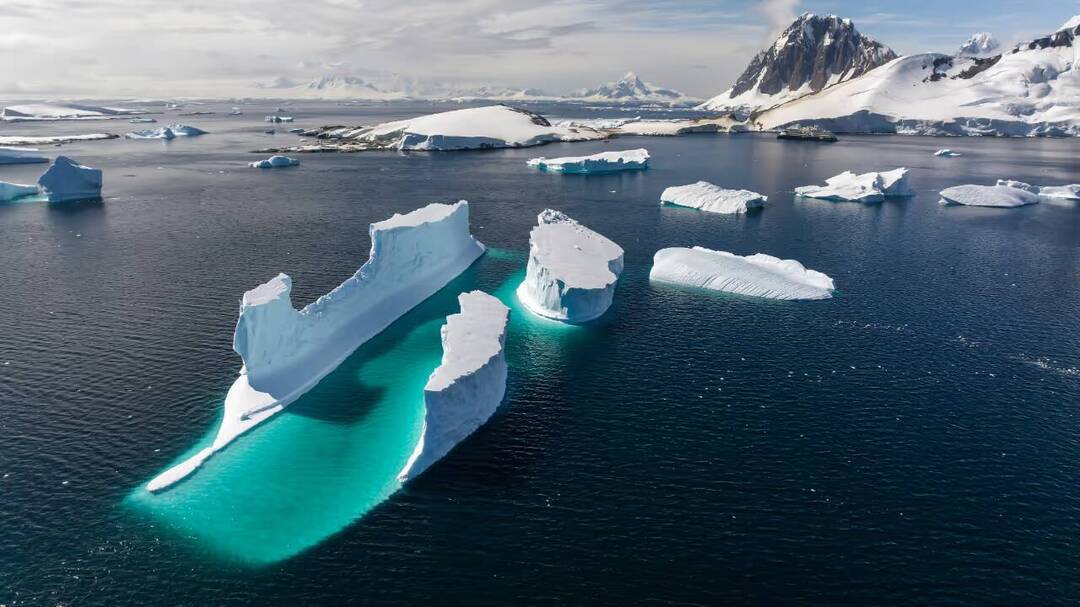
One of the key factors in the Southern Ocean’s ability to absorb carbon dioxide is the presence of iron. Iron is a essential nutrient for algae, which are the primary organisms responsible for absorbing carbon dioxide through photosynthesis. When icebergs melt, they release iron into the ocean, which can stimulate the growth of algae and increase carbon absorption. However, scientists have found that much of the iron released by melting icebergs is in a form that is unusable by algae, limiting its potential to enhance carbon capture.
This discovery has significant implications for our understanding of the complex relationships between the West Antarctic Ice Sheet, the Southern Ocean, and the global climate system. It suggests that the melting of the ice sheet could have a negative impact on the ocean’s ability to absorb carbon dioxide, which could in turn accelerate climate change. This creates a worrying feedback loop, where the melting of the ice sheet contributes to increased carbon emissions, which in turn drive further melting and climate change.
Past warming events have shown the West Antarctic Ice Sheet to be highly sensitive to changes in temperature. During the last interglacial period, which occurred around 125,000 years ago, the ice sheet is believed to have melted significantly, contributing to a rise in global sea levels. This sensitivity to temperature changes suggests that the ice sheet is highly vulnerable to the impacts of climate change, and that future melting could be rapid and extensive.
The potential consequences of this feedback loop are dire. If the West Antarctic Ice Sheet were to melt completely, it would contribute around 3.5 meters to global sea levels, displacing millions of people and causing widespread devastation to coastal communities and ecosystems. Furthermore, the loss of this ice sheet would also have a significant impact on global ocean currents and weather patterns, leading to unpredictable and extreme weather events.
The warning issued by scientists highlights the urgent need for action to reduce greenhouse gas emissions and slow the rate of climate change. The melting of the West Antarctic Ice Sheet is just one of many tipping points that could be triggered by climate change, and it is essential that we take steps to avoid crossing these thresholds. This includes transitioning to renewable energy sources, increasing energy efficiency, and protecting and restoring natural ecosystems that absorb carbon dioxide.
In conclusion, the melting of the West Antarctic Ice Sheet poses a significant threat to the Southern Ocean’s ability to absorb carbon dioxide, which could create a devastating feedback loop that accelerates climate change. The sensitivity of the ice sheet to temperature changes, combined with the limited usability of iron released by melting icebergs, suggests that the consequences of inaction could be severe. It is essential that we take immediate and drastic action to reduce greenhouse gas emissions and protect the health of our planet.
About the Author