West Antarctic ice melt could weaken ocean carbon absorption
The West Antarctic Ice Sheet has been a subject of concern for climate scientists in recent years, as its melting has been accelerating at an alarming rate. A new study has shed light on the potential consequences of this melting, warning that it could weaken the Southern Ocean’s ability to absorb carbon dioxide. This is a critical function of the ocean, as it helps to regulate the amount of greenhouse gases in the atmosphere and mitigate the effects of climate change.
The Southern Ocean, which surrounds Antarctica, is one of the most efficient regions of the world’s oceans at absorbing carbon dioxide from the atmosphere. This process, known as carbon sequestration, is crucial for reducing the amount of greenhouse gases in the atmosphere and slowing the rate of global warming. However, the melting of the West Antarctic Ice Sheet could disrupt this process, making it more difficult for the ocean to absorb carbon dioxide and potentially leading to an increase in atmospheric greenhouse gas levels.
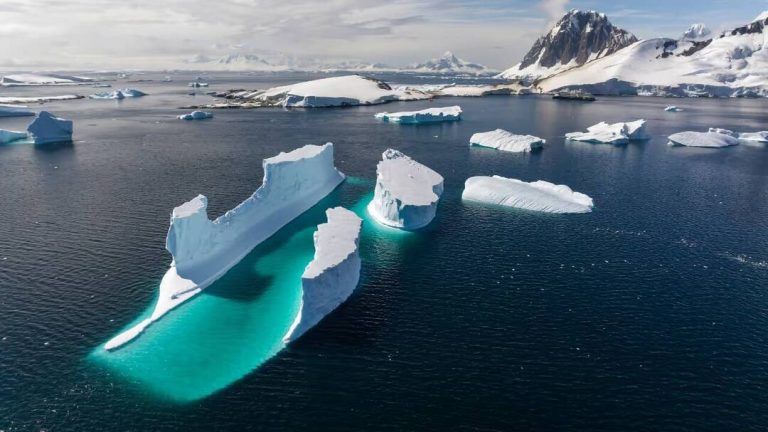
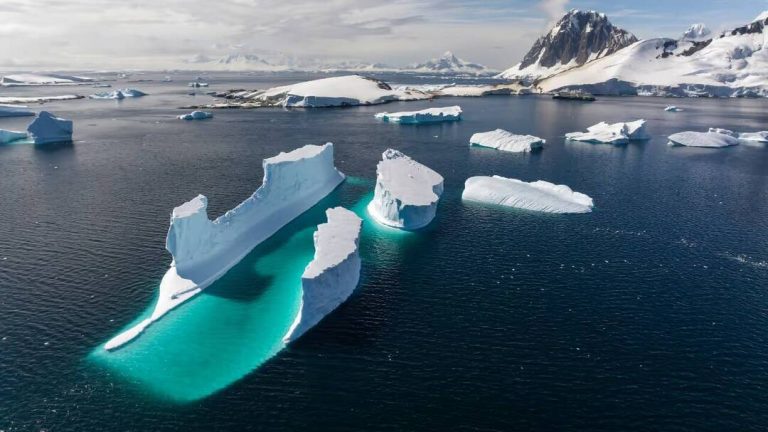
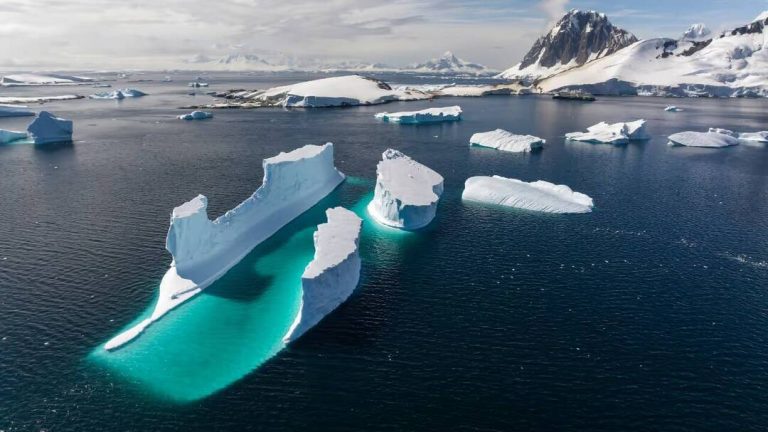
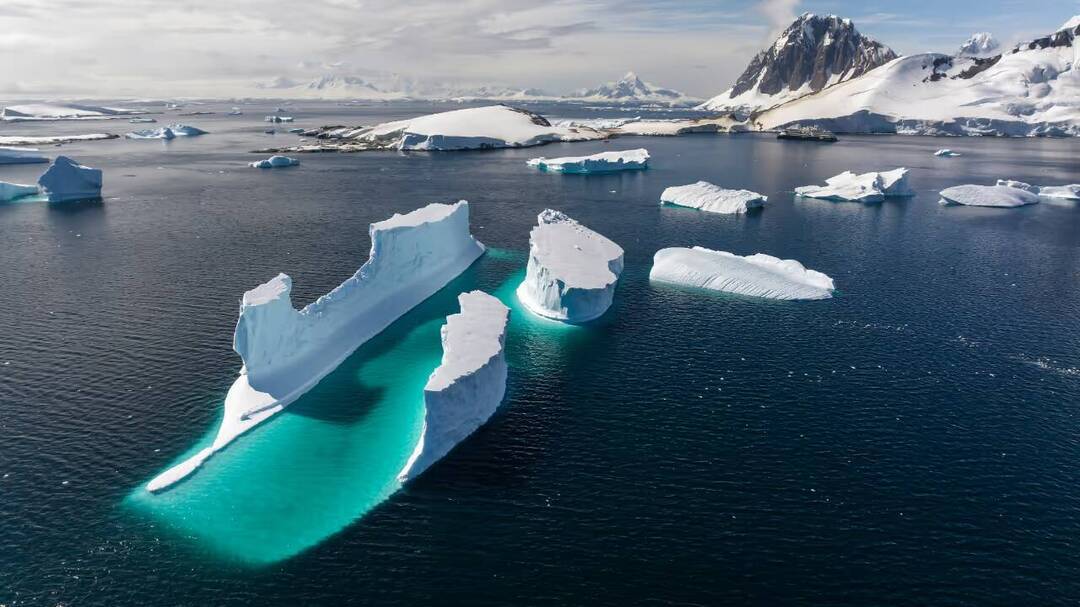
One of the key factors in the Southern Ocean’s ability to absorb carbon dioxide is the presence of iron, a nutrient that is essential for the growth of phytoplankton, tiny plants that absorb carbon dioxide through photosynthesis. When icebergs melt, they release iron into the ocean, which can stimulate the growth of phytoplankton and increase carbon sequestration. However, the study found that much of the iron released by melting icebergs is in a form that is unusable by phytoplankton, limiting the potential for carbon capture.
This is a significant concern, as the West Antarctic Ice Sheet is already showing signs of instability. The ice sheet has been losing mass at an increasing rate over the past few decades, with some studies suggesting that it could collapse entirely in the coming centuries. This would not only contribute to sea level rise but also disrupt the ocean’s ability to absorb carbon dioxide, creating a feedback loop that could make climate change even harder to slow.
The study’s findings are based on an analysis of past warming events, which show that the West Antarctic Ice Sheet is highly sensitive to changes in temperature. During these events, the ice sheet has undergone significant melting, leading to the release of large amounts of iron into the ocean. However, much of this iron has been in a form that is unusable by phytoplankton, limiting the potential for carbon capture.
The implications of this study are significant, as they suggest that the melting of the West Antarctic Ice Sheet could have far-reaching consequences for the ocean’s ability to absorb carbon dioxide. This could make it more difficult to slow the rate of climate change, as the ocean’s ability to sequester carbon would be reduced. Furthermore, the study highlights the need for urgent action to reduce greenhouse gas emissions and slow the rate of global warming, in order to prevent the collapse of the West Antarctic Ice Sheet and the disruption of the ocean’s carbon sequestration processes.
In addition to the potential consequences for the ocean’s ability to absorb carbon dioxide, the melting of the West Antarctic Ice Sheet also poses a significant threat to global sea levels. The ice sheet contains enough ice to raise global sea levels by several meters, and its collapse could have devastating consequences for coastal communities and ecosystems around the world.
The study’s findings also highlight the importance of continued research into the impacts of climate change on the West Antarctic Ice Sheet and the Southern Ocean. By better understanding the complex interactions between the ice sheet, the ocean, and the atmosphere, scientists can provide more accurate predictions of the potential consequences of climate change and inform policy decisions aimed at reducing greenhouse gas emissions and mitigating the effects of global warming.
In conclusion, the melting of the West Antarctic Ice Sheet could have significant consequences for the ocean’s ability to absorb carbon dioxide, making it more difficult to slow the rate of climate change. The study’s findings highlight the need for urgent action to reduce greenhouse gas emissions and slow the rate of global warming, in order to prevent the collapse of the West Antarctic Ice Sheet and the disruption of the ocean’s carbon sequestration processes. As the world continues to grapple with the challenges of climate change, it is essential that we continue to support scientific research and take action to reduce our impact on the environment.
About the Author