West Antarctic ice melt could weaken ocean carbon absorption
The West Antarctic Ice Sheet has been a subject of concern for climate scientists in recent years, as its melting has been accelerating at an unprecedented rate. A new study has revealed that the melting of this ice sheet could have a profound impact on the Southern Ocean’s ability to absorb carbon dioxide, a critical process that helps regulate the Earth’s climate. The findings of this study have significant implications for our understanding of the complex relationships between the Earth’s oceans, ice sheets, and atmosphere, and highlight the need for urgent action to mitigate the effects of climate change.
The Southern Ocean, which surrounds Antarctica, plays a crucial role in absorbing carbon dioxide from the atmosphere, accounting for around 40% of the total carbon dioxide absorbed by the world’s oceans. This process is facilitated by the presence of phytoplankton, tiny algae that use carbon dioxide to produce organic compounds through photosynthesis. However, phytoplankton require iron to grow and thrive, and the availability of this essential nutrient is limited in the Southern Ocean.
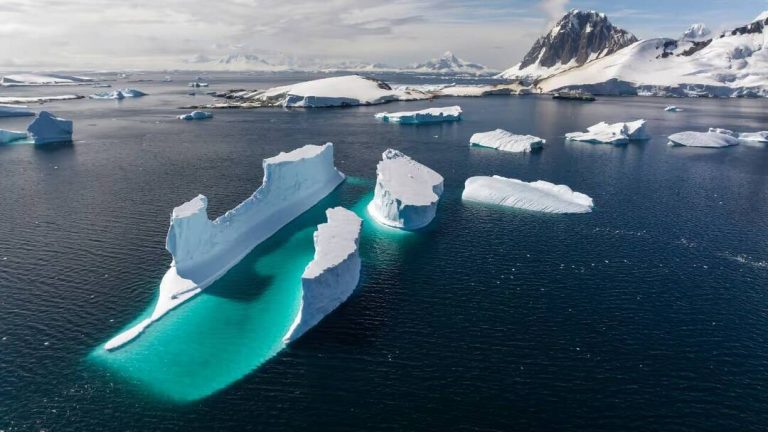
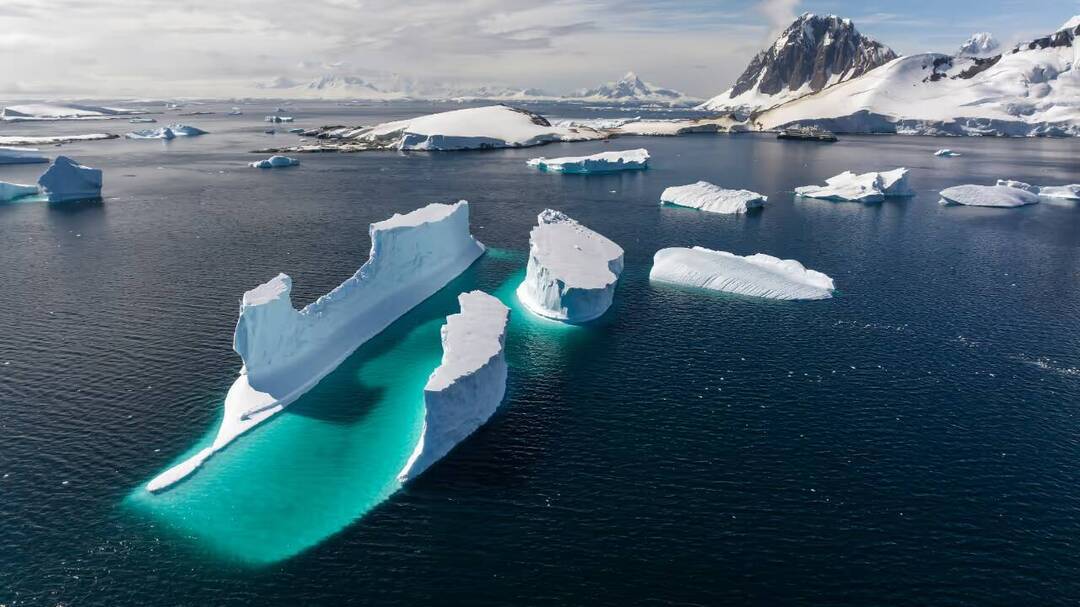
Icebergs, which are formed when chunks of ice break off from the West Antarctic Ice Sheet, can provide a source of iron to the ocean. As they melt, they release iron into the surrounding water, which can be used by phytoplankton to fuel their growth. However, the study found that much of the iron released by icebergs is in a form that is unusable by algae, limiting the potential for carbon capture.
The researchers used satellite data and computer models to simulate the impact of West Antarctic Ice Sheet melting on the Southern Ocean’s ability to absorb carbon dioxide. They found that the increased melting of the ice sheet could lead to a reduction in the ocean’s carbon absorption capacity, as the iron released by icebergs is not readily available to phytoplankton. This reduction in carbon absorption could have significant consequences for the Earth’s climate, as it would allow more carbon dioxide to remain in the atmosphere, exacerbating the greenhouse effect and leading to further warming.
The study also examined the sensitivity of the West Antarctic Ice Sheet to past warming events, and found that it is highly responsive to changes in temperature. During the last interglacial period, around 125,000 years ago, the ice sheet melted significantly, leading to a rise in sea levels of around 5-10 meters. This suggests that the ice sheet is highly vulnerable to warming, and that future melting could create a feedback loop, where the release of carbon dioxide into the atmosphere accelerates the melting of the ice sheet, which in turn reduces the ocean’s ability to absorb carbon dioxide.
This feedback loop could make it even harder to slow down climate change, as the reduction in carbon absorption by the Southern Ocean would allow more carbon dioxide to accumulate in the atmosphere, leading to further warming and melting of the ice sheet. The study’s findings highlight the urgent need for action to reduce greenhouse gas emissions and mitigate the effects of climate change.
The implications of this study are far-reaching, and emphasize the importance of preserving the West Antarctic Ice Sheet and the Southern Ocean’s ability to absorb carbon dioxide. The researchers emphasize that reducing greenhouse gas emissions and slowing down climate change is critical to preventing the collapse of the ice sheet and maintaining the health of the ocean’s ecosystem.
In conclusion, the melting of the West Antarctic Ice Sheet could have a profound impact on the Southern Ocean’s ability to absorb carbon dioxide, with significant consequences for the Earth’s climate. The study’s findings highlight the complex relationships between the Earth’s oceans, ice sheets, and atmosphere, and emphasize the need for urgent action to mitigate the effects of climate change. As the world continues to grapple with the challenges of climate change, it is essential that we prioritize the preservation of our planet’s natural systems and take immediate action to reduce greenhouse gas emissions.
About the Author