West Antarctic ice melt could weaken ocean carbon absorption
The West Antarctic Ice Sheet has been a subject of concern for climate scientists in recent years, as its melting has been accelerating at an alarming rate. A new study has shed light on the potential consequences of this melting, warning that it could weaken the Southern Ocean’s ability to absorb carbon dioxide. This finding has significant implications for our understanding of the Earth’s climate system and the role of the oceans in regulating the amount of carbon dioxide in the atmosphere.
The Southern Ocean, which surrounds Antarctica, is one of the most important carbon sinks in the world. It absorbs approximately 40% of the carbon dioxide released into the atmosphere, playing a crucial role in mitigating the effects of climate change. However, the study suggests that the melting of the West Antarctic Ice Sheet could disrupt this process, reducing the ocean’s ability to absorb carbon dioxide.
So, how does the melting of the West Antarctic Ice Sheet affect the Southern Ocean’s ability to absorb carbon dioxide? The answer lies in the role of iron in the ocean. Iron is a essential nutrient for phytoplankton, the tiny plants that form the base of the ocean’s food web. Phytoplankton absorb carbon dioxide from the atmosphere as they grow, and when they die, they sink to the ocean floor, taking the carbon with them. This process is known as the “biological pump,” and it is a critical component of the ocean’s carbon cycle.
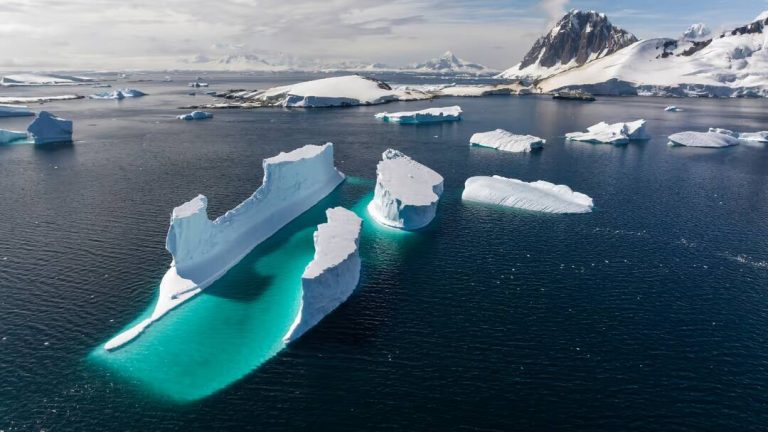
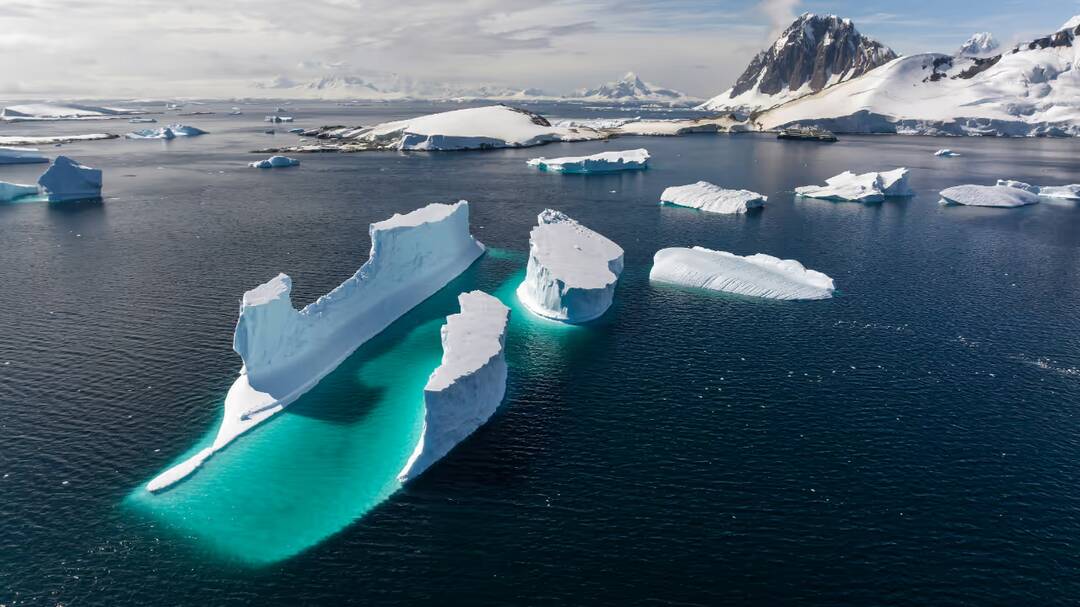
Icebergs, which are formed when ice breaks off from the West Antarctic Ice Sheet, release iron into the ocean as they melt. This iron can stimulate the growth of phytoplankton, which in turn absorbs more carbon dioxide from the atmosphere. However, the study found that much of the iron released by icebergs is in a form that is unusable by phytoplankton. This means that the iron is not available to support the growth of these tiny plants, limiting the ocean’s ability to absorb carbon dioxide.
The study’s findings are based on an analysis of sediment cores taken from the Southern Ocean. These cores provide a record of the ocean’s past conditions, including the amount of iron that was present in the water. By analyzing the cores, the researchers were able to reconstruct the history of the West Antarctic Ice Sheet’s melting and its impact on the ocean’s ability to absorb carbon dioxide.
The study’s results show that during past periods of warming, the West Antarctic Ice Sheet melted at a rate similar to what we are seeing today. This melting led to an increase in the amount of iron released into the ocean, but much of this iron was in a form that was unusable by phytoplankton. As a result, the ocean’s ability to absorb carbon dioxide was reduced, creating a feedback loop that made climate change harder to slow.
The implications of this study are significant. If the West Antarctic Ice Sheet continues to melt at its current rate, it could lead to a reduction in the Southern Ocean’s ability to absorb carbon dioxide. This would allow more carbon dioxide to remain in the atmosphere, exacerbating the effects of climate change. The study’s findings also suggest that the ice sheet’s melting could create a self-reinforcing feedback loop, where the melting of the ice sheet leads to a reduction in the ocean’s ability to absorb carbon dioxide, which in turn accelerates the melting of the ice sheet.
In conclusion, the melting of the West Antarctic Ice Sheet is a pressing concern for climate scientists, and the study’s findings highlight the potential consequences of this melting for the Earth’s climate system. The Southern Ocean plays a critical role in regulating the amount of carbon dioxide in the atmosphere, and any disruption to this process could have significant implications for our ability to mitigate the effects of climate change.
As the world continues to warm, it is essential that we take action to reduce our carbon emissions and slow the rate of climate change. This includes transitioning to renewable energy sources, increasing energy efficiency, and protecting natural carbon sinks like the Southern Ocean. The study’s findings also highlight the need for continued research into the Earth’s climate system, particularly in regions like the West Antarctic Ice Sheet, where the consequences of climate change are most pronounced.
About the Author