West Antarctic ice melt could weaken ocean carbon absorption
The West Antarctic Ice Sheet has been a subject of concern for scientists and climate experts in recent years. The ice sheet, which is one of the largest in the world, has been melting at an alarming rate, and the consequences of this melting are far-reaching. One of the most significant concerns is the impact on the Southern Ocean’s ability to absorb carbon dioxide. According to recent research, the melting of the West Antarctic Ice Sheet could weaken the ocean’s ability to absorb carbon, making it harder to slow down climate change.
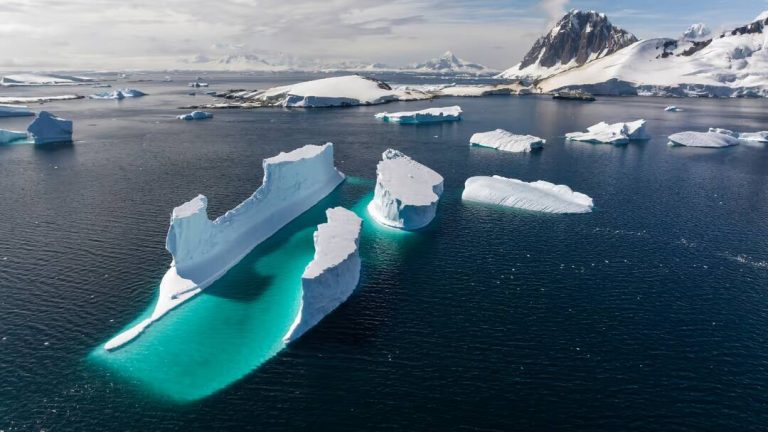
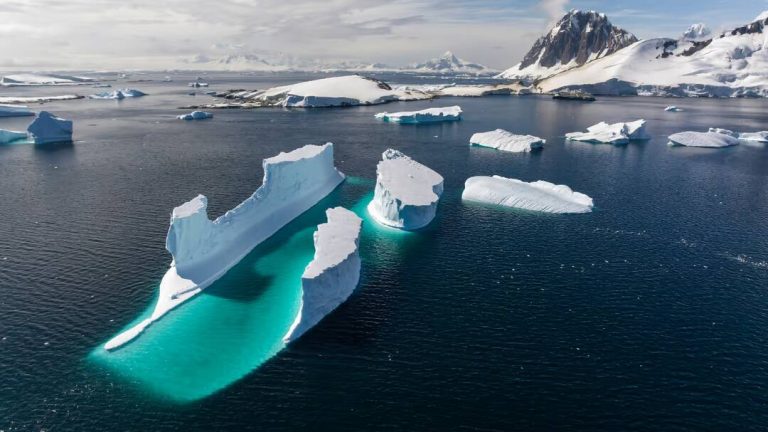
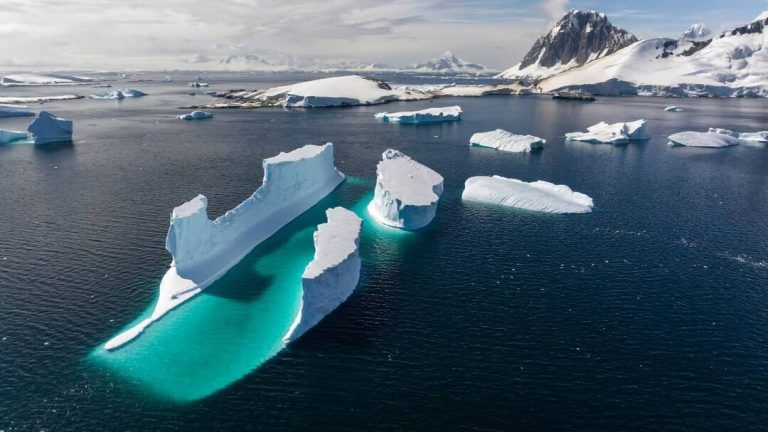
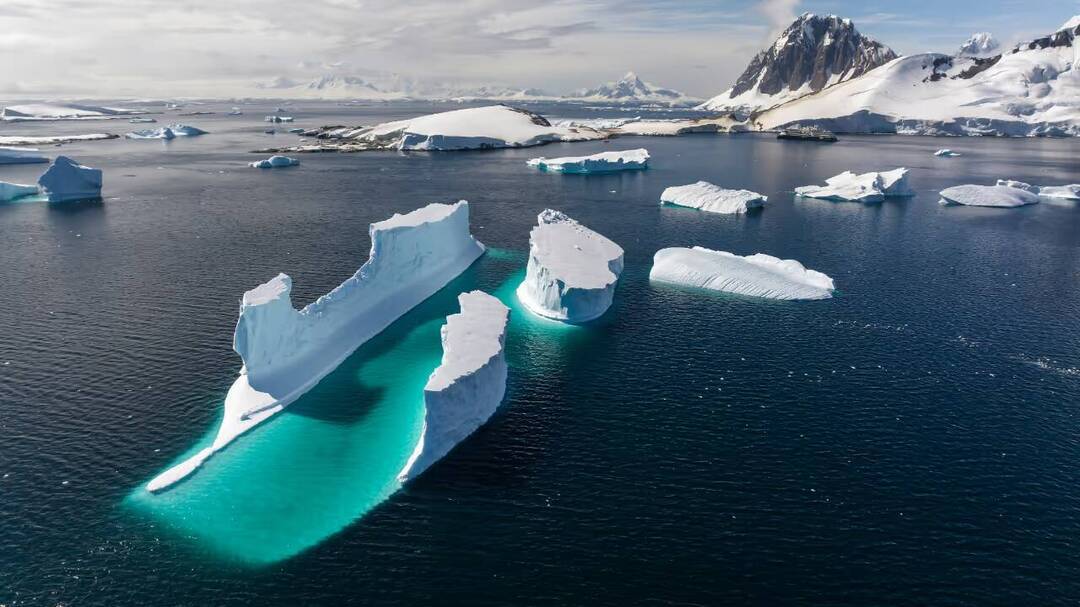
The Southern Ocean, which surrounds Antarctica, plays a crucial role in the global carbon cycle. It absorbs a significant amount of carbon dioxide from the atmosphere, which helps to regulate the Earth’s climate. However, the melting of the West Antarctic Ice Sheet could disrupt this process. When icebergs melt, they release iron into the ocean, which is an essential nutrient for algae. Algae are tiny plants that absorb carbon dioxide from the atmosphere through photosynthesis, which helps to reduce the amount of carbon dioxide in the atmosphere.
However, the iron released by melting icebergs is not always usable by algae. In fact, much of it is in a form that is not readily available to the tiny plants. This means that the algae are not able to use the iron to absorb carbon dioxide, limiting the ocean’s ability to capture carbon. As a result, the melting of the West Antarctic Ice Sheet could create a feedback loop, where the melting of the ice sheet reduces the ocean’s ability to absorb carbon, which in turn accelerates climate change.
Past warming events have shown that the West Antarctic Ice Sheet is highly sensitive to changes in temperature. During the last interglacial period, which occurred around 125,000 years ago, the ice sheet melted significantly, causing sea levels to rise by several meters. This event was triggered by a natural warming of the climate, but it shows that the ice sheet is capable of responding rapidly to changes in temperature.
The current melting of the West Antarctic Ice Sheet is largely driven by human activities, such as the burning of fossil fuels and deforestation. These activities release large amounts of carbon dioxide into the atmosphere, which contributes to global warming. As the planet warms, the ice sheet melts, releasing more iron into the ocean. However, as mentioned earlier, much of this iron is not usable by algae, limiting the ocean’s ability to capture carbon.
The implications of this research are significant. If the West Antarctic Ice Sheet continues to melt, it could weaken the Southern Ocean’s ability to absorb carbon dioxide, making it harder to slow down climate change. This is a concerning prospect, as the ocean plays a critical role in regulating the Earth’s climate. The ocean absorbs around 25% of the carbon dioxide released into the atmosphere, which helps to reduce the amount of greenhouse gases in the atmosphere.
To mitigate the effects of climate change, it is essential to reduce our carbon footprint and slow down the melting of the West Antarctic Ice Sheet. This can be achieved through a range of measures, including reducing our reliance on fossil fuels, increasing energy efficiency, and protecting natural habitats that absorb carbon dioxide, such as forests and wetlands.
In conclusion, the melting of the West Antarctic Ice Sheet is a significant concern, not just because of the impact on sea levels, but also because of the potential impact on the ocean’s ability to absorb carbon dioxide. The release of iron from melting icebergs is not always usable by algae, limiting the ocean’s ability to capture carbon. Past warming events have shown that the ice sheet is highly sensitive to changes in temperature, and the current melting is largely driven by human activities. To mitigate the effects of climate change, it is essential to reduce our carbon footprint and slow down the melting of the West Antarctic Ice Sheet.
About the Author