West Antarctic ice melt could weaken ocean carbon absorption
The West Antarctic Ice Sheet has been a subject of concern for climate scientists in recent years, as its melting has been accelerating at an alarming rate. A new study has shed light on the potential consequences of this melting, warning that it could weaken the Southern Ocean’s ability to absorb carbon dioxide. This finding has significant implications for our understanding of the Earth’s climate system and the impact of human activities on the environment.
The Southern Ocean, which surrounds Antarctica, plays a crucial role in regulating the Earth’s climate. It is responsible for absorbing a significant proportion of the carbon dioxide emitted into the atmosphere, which helps to mitigate the effects of climate change. However, the melting of the West Antarctic Ice Sheet could disrupt this process, leading to a reduction in the ocean’s ability to absorb carbon dioxide.
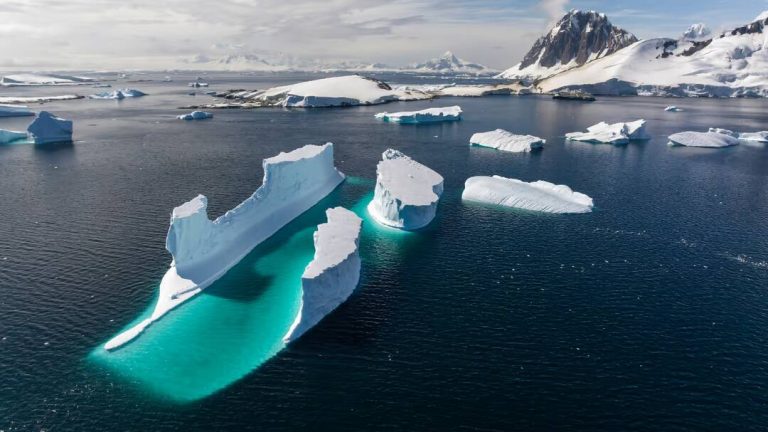
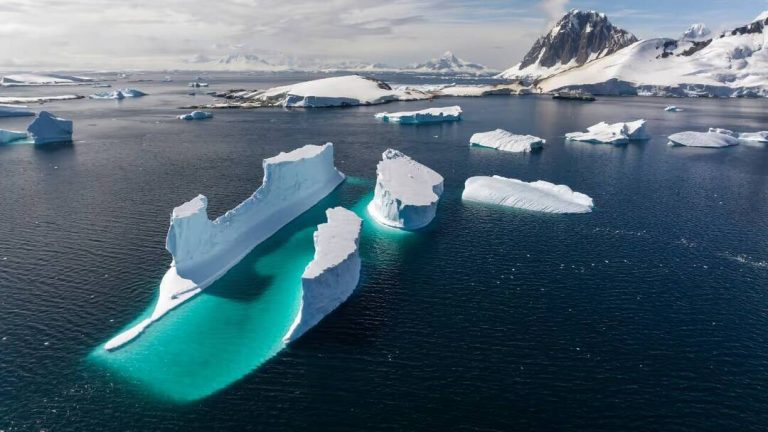
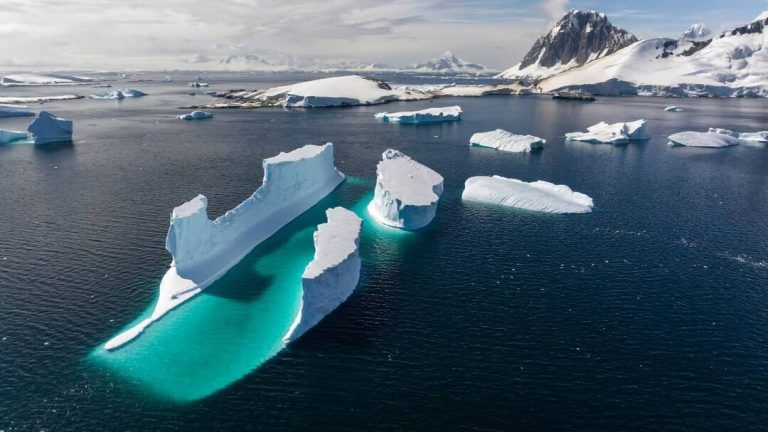
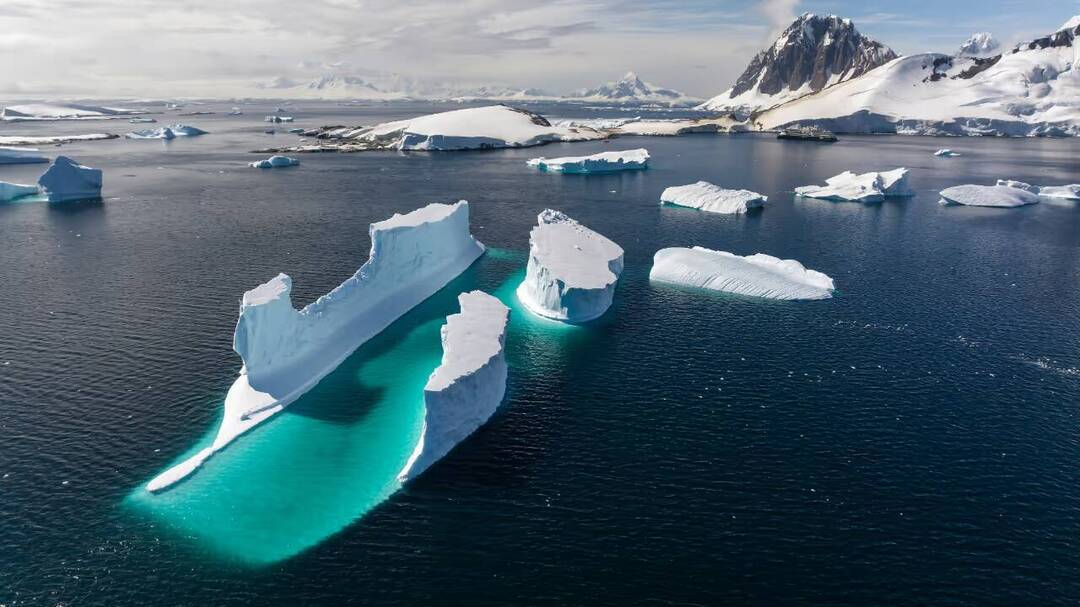
The reason for this lies in the way that icebergs interact with the ocean. When icebergs melt, they release iron into the water, which is an essential nutrient for algae. Algae are a type of phytoplankton that absorb carbon dioxide from the atmosphere through photosynthesis, producing organic carbon that sinks to the ocean floor. This process, known as the biological pump, is a critical component of the Earth’s carbon cycle.
However, the iron released by melting icebergs is not always usable by algae. Much of it is in the form of insoluble iron oxides, which are not readily available for uptake by phytoplankton. As a result, the iron released by melting icebergs may not be as effective at stimulating the growth of algae as previously thought. This means that the melting of the West Antarctic Ice Sheet could lead to a reduction in the ocean’s ability to absorb carbon dioxide, rather than an increase.
This finding is supported by past warming events, which have shown that the West Antarctic Ice Sheet is highly sensitive to changes in temperature. During these events, the ice sheet has undergone significant melting, leading to a reduction in the ocean’s ability to absorb carbon dioxide. This suggests that the ice sheet is vulnerable to future warming, and that its melting could create a feedback loop that makes climate change harder to slow.
The implications of this study are significant. If the West Antarctic Ice Sheet continues to melt at its current rate, it could lead to a reduction in the ocean’s ability to absorb carbon dioxide, making it harder to mitigate the effects of climate change. This, in turn, could lead to more rapid warming, which would further accelerate the melting of the ice sheet. This feedback loop could have devastating consequences for the Earth’s climate system, making it essential that we take action to reduce our carbon emissions and slow the rate of climate change.
The study’s findings also highlight the importance of preserving the West Antarctic Ice Sheet. The ice sheet is not only a critical component of the Earth’s climate system, but it also plays a vital role in regulating sea levels. If the ice sheet were to melt completely, it would raise sea levels by several meters, displacing millions of people and causing widespread devastation.
In conclusion, the melting of the West Antarctic Ice Sheet is a pressing concern that requires immediate attention. The potential consequences of this melting are far-reaching, and could have a significant impact on the Earth’s climate system. It is essential that we take action to reduce our carbon emissions and slow the rate of climate change, in order to preserve the West Antarctic Ice Sheet and the critical role it plays in regulating the Earth’s climate.
As scientists continue to study the effects of climate change on the West Antarctic Ice Sheet, it is clear that this is a complex and multifaceted issue. However, one thing is certain: the fate of the ice sheet, and the future of our planet, depend on our ability to take action to reduce our carbon emissions and slow the rate of climate change.
About the Author