West Antarctic ice melt could weaken ocean carbon absorption
The West Antarctic Ice Sheet has been a subject of concern for scientists and climate experts in recent years. The ice sheet, which is one of the largest in the world, has been experiencing rapid melting due to climate change. This melting has significant implications for sea levels, ocean currents, and the overall health of the planet. Now, a new study suggests that the melting of the West Antarctic Ice Sheet could also weaken the Southern Ocean’s ability to absorb carbon dioxide, a critical component in the fight against climate change.
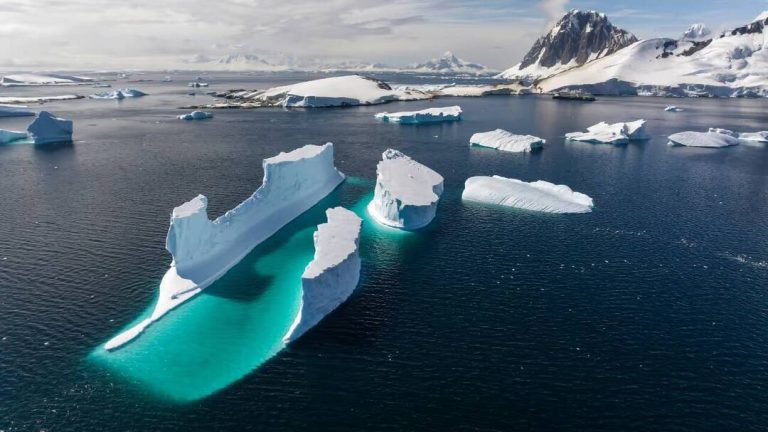
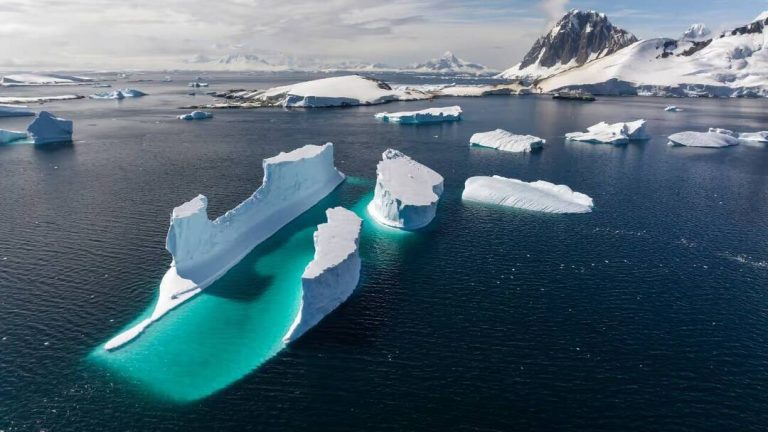
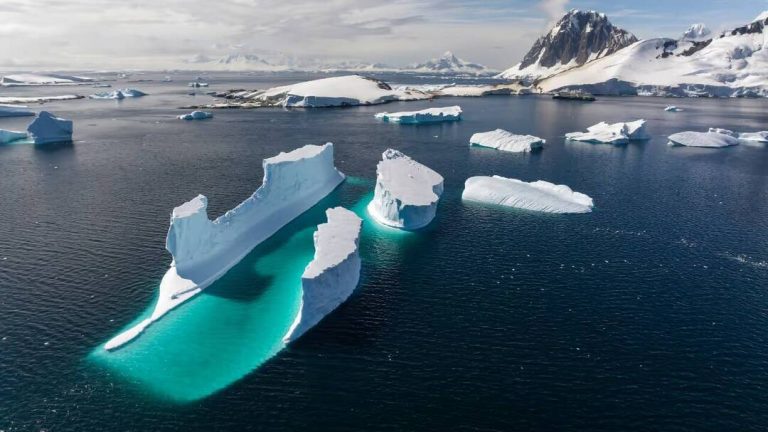
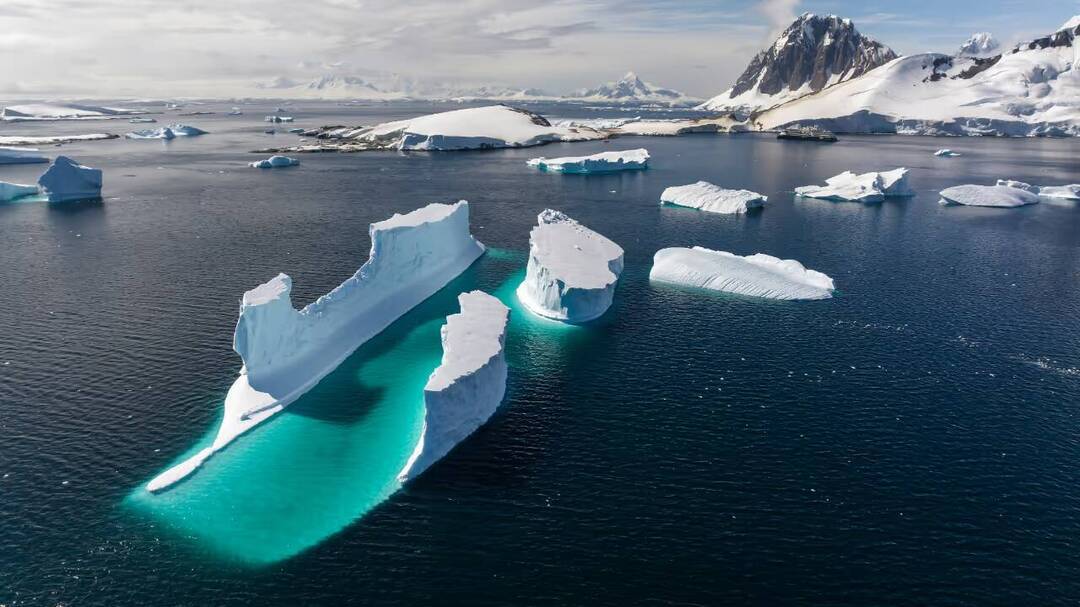
The Southern Ocean, which surrounds Antarctica, plays a crucial role in absorbing carbon dioxide from the atmosphere. This process, known as carbon sequestration, is essential for mitigating the effects of climate change. However, the melting of the West Antarctic Ice Sheet could disrupt this process, making it more challenging to slow down climate change. The study’s findings are based on the analysis of icebergs and their impact on the ocean’s ecosystem.
When icebergs melt, they release iron into the ocean. Iron is an essential nutrient for algae, which are the primary organisms responsible for absorbing carbon dioxide from the atmosphere. However, the iron released by icebergs is not always usable by algae. In fact, much of it is in a form that is not readily available for absorption, limiting the ocean’s ability to capture carbon. This means that even though the melting of icebergs may appear to provide a boost to the ocean’s ecosystem, it can actually have a negative impact on carbon sequestration.
The researchers behind the study analyzed data from past warming events to understand the sensitivity of the West Antarctic Ice Sheet to climate change. Their findings suggest that the ice sheet is highly sensitive to even small changes in temperature, making it more vulnerable to melting. This sensitivity is a concern because it could create a feedback loop, where the melting of the ice sheet leads to reduced carbon sequestration, which in turn accelerates climate change.
The feedback loop works as follows: as the West Antarctic Ice Sheet melts, it releases more icebergs into the ocean. These icebergs, in turn, release iron, which is not always usable by algae. As a result, the ocean’s ability to absorb carbon dioxide is reduced, leading to higher levels of carbon dioxide in the atmosphere. This increase in carbon dioxide accelerates climate change, which in turn causes more melting of the West Antarctic Ice Sheet. This cycle can continue indefinitely, making it increasingly difficult to slow down climate change.
The implications of this study are significant. It highlights the need for urgent action to reduce greenhouse gas emissions and slow down climate change. The West Antarctic Ice Sheet is not just a distant, isolated region; its melting has far-reaching consequences for the entire planet. As the world’s oceans continue to absorb more carbon dioxide, the risk of ocean acidification and other negative impacts on marine ecosystems increases.
The study also underscores the importance of preserving the health of the Southern Ocean. This ocean plays a critical role in regulating the planet’s climate, and its ability to absorb carbon dioxide is essential for mitigating the effects of climate change. However, the ocean’s ecosystem is fragile and can be easily disrupted by human activities, such as overfishing, pollution, and climate change.
In conclusion, the melting of the West Antarctic Ice Sheet is a pressing concern that requires immediate attention. The potential weakening of the Southern Ocean’s ability to absorb carbon dioxide is a significant threat to the planet’s ability to mitigate climate change. As the world continues to grapple with the challenges of climate change, it is essential to prioritize the preservation of the West Antarctic Ice Sheet and the health of the Southern Ocean. This can be achieved through a combination of reduced greenhouse gas emissions, sustainable ocean management, and conservation efforts.
The clock is ticking, and the consequences of inaction will be severe. It is up to us to take action and protect the planet from the devastating impacts of climate change. By working together, we can reduce our carbon footprint, preserve the health of the oceans, and ensure a sustainable future for generations to come.
About the Author