West Antarctic ice melt could weaken ocean carbon absorption
The West Antarctic Ice Sheet has been a topic of concern for climate scientists in recent years, and a new study has shed light on the potential consequences of its melting. According to researchers, the loss of this ice sheet could have a significant impact on the Southern Ocean’s ability to absorb carbon dioxide, a crucial process in regulating the Earth’s climate. In this blog post, we will delve into the details of this study and explore the implications of West Antarctic ice melt on ocean carbon absorption.
The Southern Ocean, which surrounds Antarctica, plays a vital role in the global carbon cycle. It is responsible for absorbing approximately 40% of the carbon dioxide released into the atmosphere, making it a crucial component in the fight against climate change. However, the melting of the West Antarctic Ice Sheet could weaken the ocean’s ability to perform this function. The ice sheet’s melting is not a new phenomenon, but the rate at which it is occurring has accelerated in recent years, causing concern among scientists.
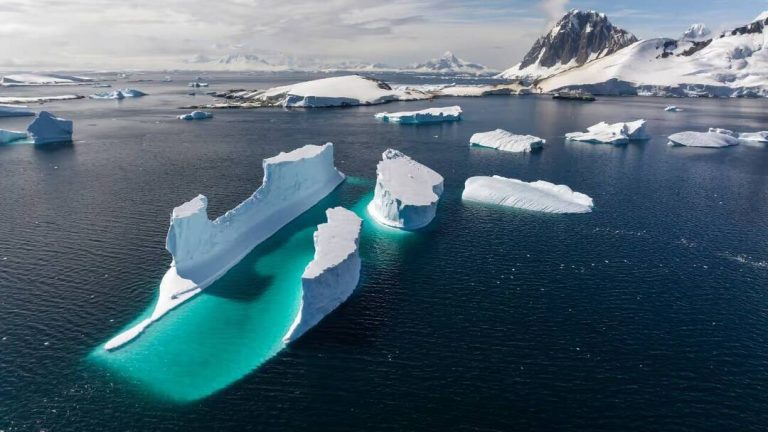
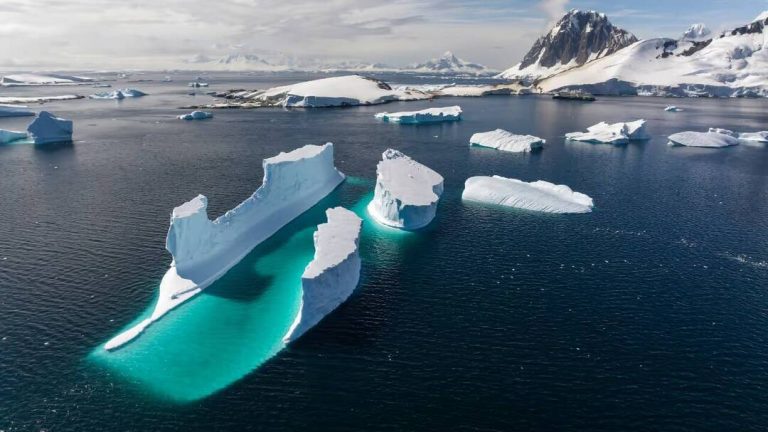
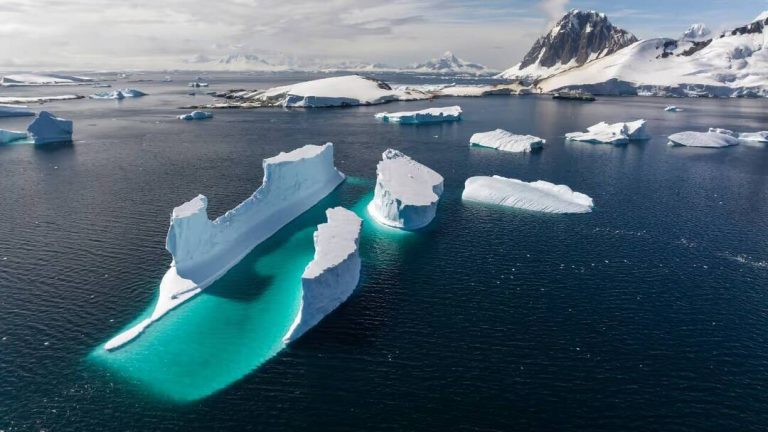
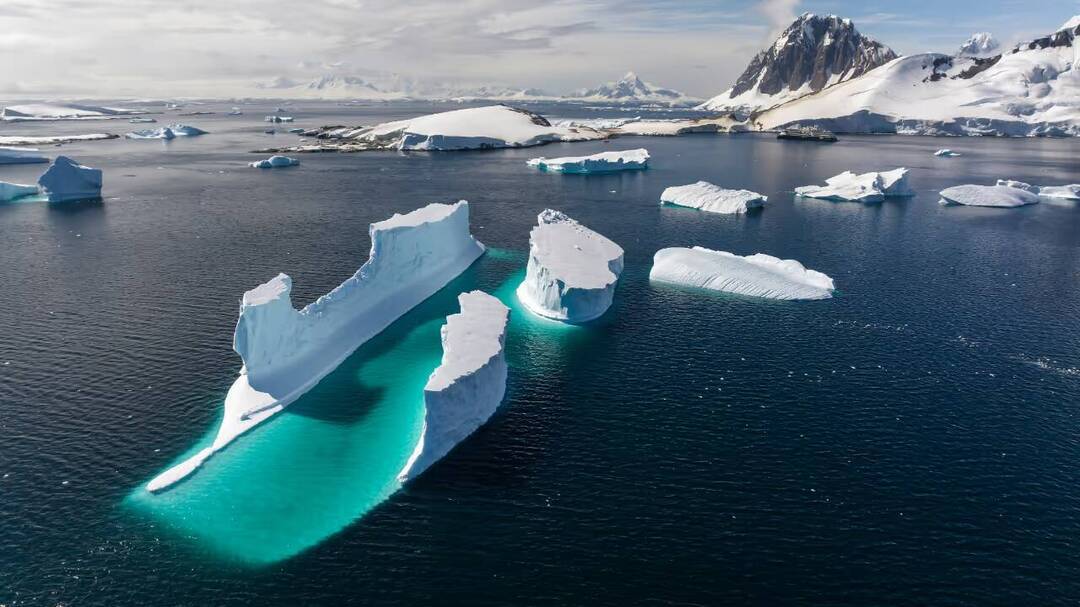
One of the key factors influencing the Southern Ocean’s carbon absorption is the presence of iron. Iron is an essential nutrient for phytoplankton, the tiny algae that absorb carbon dioxide through photosynthesis. When icebergs melt, they release iron into the ocean, which can stimulate the growth of phytoplankton. However, the study found that much of the iron released by melting icebergs is in a form that is unusable by algae, limiting the potential for carbon capture.
The researchers analyzed data from past warming events to understand the sensitivity of the West Antarctic Ice Sheet. They found that the ice sheet has melted before, and the consequences were significant. During the last interglacial period, approximately 125,000 years ago, the ice sheet collapsed, leading to a rise in global sea levels. This event was triggered by changes in ocean currents and temperatures, which caused the ice sheet to become unstable.
The study suggests that the West Antarctic Ice Sheet is highly sensitive to changes in ocean temperatures and currents. As the planet continues to warm due to climate change, the ice sheet is likely to melt at an accelerated rate. This melting could create a feedback loop, where the loss of ice reduces the ocean’s ability to absorb carbon dioxide, leading to further warming and more melting. This vicious cycle would make it increasingly difficult to slow down climate change.
The implications of this study are far-reaching. If the West Antarctic Ice Sheet were to collapse, it would not only contribute to sea-level rise but also weaken the Southern Ocean’s ability to absorb carbon dioxide. This would have significant consequences for the global climate, as the ocean’s ability to regulate carbon dioxide levels would be compromised. The study’s findings emphasize the urgent need to reduce greenhouse gas emissions and slow down climate change.
The researchers also highlighted the importance of continued monitoring of the West Antarctic Ice Sheet and the Southern Ocean. By studying the complex interactions between the ice sheet, ocean currents, and phytoplankton, scientists can better understand the potential consequences of climate change and develop more effective strategies to mitigate its impacts.
In conclusion, the melting of the West Antarctic Ice Sheet is a pressing concern that could have significant implications for the global climate. The study’s findings suggest that the loss of this ice sheet could weaken the Southern Ocean’s ability to absorb carbon dioxide, leading to a feedback loop that would make climate change harder to slow. As the world continues to grapple with the challenges of climate change, it is essential to prioritize reducing greenhouse gas emissions and protecting the world’s most vulnerable ecosystems.
About the Author