West Antarctic ice melt could weaken ocean carbon absorption
The West Antarctic Ice Sheet has been a subject of concern for climate scientists in recent years, with its rapid melting posing a significant threat to global sea levels and ocean ecosystems. However, a new study has revealed another alarming consequence of this melting: the weakening of the Southern Ocean’s ability to absorb carbon dioxide. This could have far-reaching implications for the global effort to mitigate climate change, as the ocean’s capacity to absorb carbon is a crucial factor in regulating the Earth’s climate.
The Southern Ocean, which surrounds Antarctica, is one of the most efficient carbon sinks in the world, responsible for absorbing approximately 40% of the carbon dioxide released into the atmosphere. However, the melting of the West Antarctic Ice Sheet could disrupt this process, limiting the ocean’s ability to capture and store carbon. The reason for this lies in the role of iron in the ocean’s ecosystem. Iron is a essential nutrient for phytoplankton, the tiny algae that form the base of the ocean’s food chain and play a crucial role in absorbing carbon dioxide through photosynthesis.
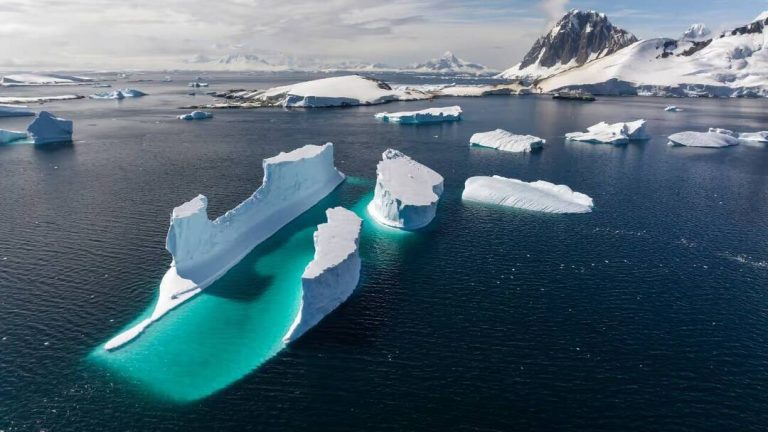
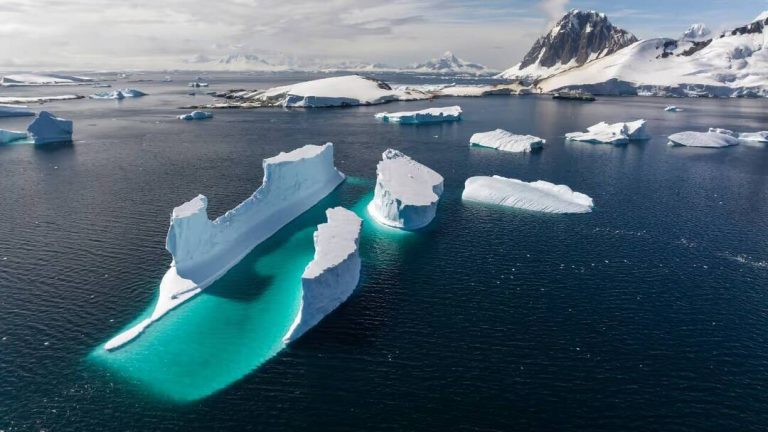
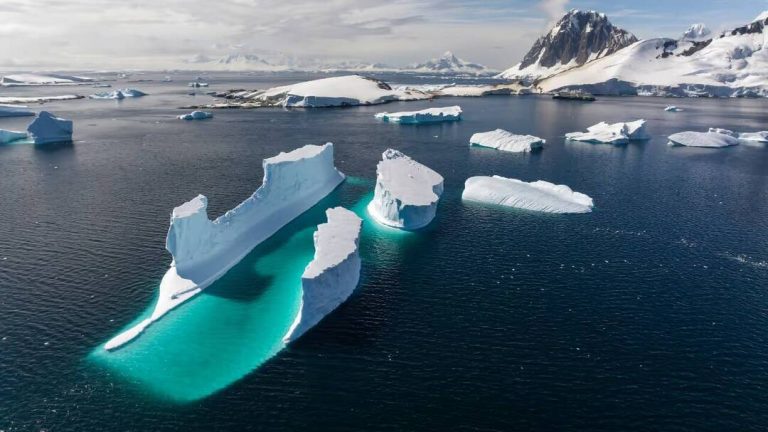
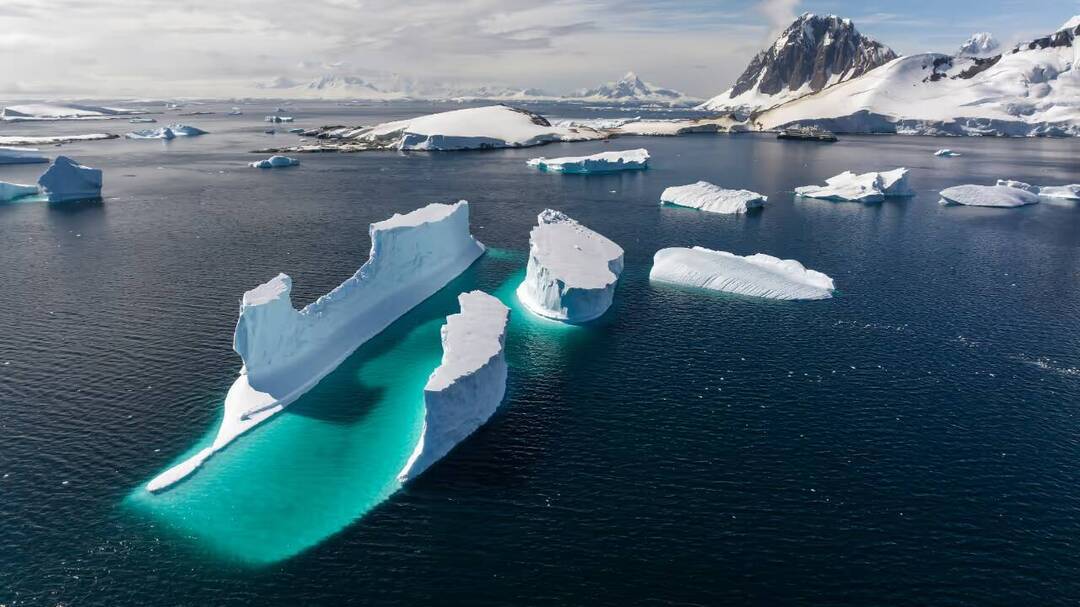
When icebergs melt, they release iron into the ocean, which would seem to be a beneficial process for promoting phytoplankton growth and carbon capture. However, the iron released by melting icebergs is often in a form that is not readily usable by phytoplankton. This means that much of the iron released into the ocean is effectively wasted, failing to stimulate the growth of phytoplankton and enhance carbon absorption. As a result, the melting of the West Antarctic Ice Sheet could actually weaken the Southern Ocean’s ability to absorb carbon dioxide, rather than strengthening it.
This finding is particularly concerning in light of the ice sheet’s sensitivity to past warming events. During the last interglacial period, which occurred around 125,000 years ago, the West Antarctic Ice Sheet is believed to have melted significantly, contributing to a rise in global sea levels of around 5-6 meters. This event was triggered by changes in ocean currents and temperatures, rather than the kind of anthropogenic greenhouse gas emissions that are driving climate change today. However, the fact that the ice sheet was so sensitive to these natural climate fluctuations suggests that it may be even more vulnerable to the kind of rapid warming that is occurring today.
The implications of this are ominous. If the West Antarctic Ice Sheet were to melt at a rapid rate, it could create a feedback loop that makes climate change even harder to slow. As the ice sheet melts, it releases more iron into the ocean, but much of this iron is unusable by phytoplankton. This limits the ocean’s ability to absorb carbon dioxide, allowing more of the gas to accumulate in the atmosphere and drive further warming. As the planet warms, the ice sheet melts at an even faster rate, releasing yet more iron into the ocean and further weakening the ocean’s carbon absorption capacity.
This vicious cycle could have disastrous consequences for the global effort to mitigate climate change. The ocean’s ability to absorb carbon is a crucial factor in regulating the Earth’s climate, and any weakening of this process could make it much more difficult to achieve the kind of rapid reductions in greenhouse gas emissions that are needed to avoid the worst impacts of climate change. Furthermore, the melting of the West Antarctic Ice Sheet could also have significant impacts on global sea levels, with some estimates suggesting that it could contribute up to 3 meters of sea level rise by the end of the century.
In conclusion, the melting of the West Antarctic Ice Sheet poses a significant threat to the Southern Ocean’s ability to absorb carbon dioxide, with far-reaching implications for the global effort to mitigate climate change. The release of iron into the ocean by melting icebergs is not as beneficial as it might seem, as much of this iron is unusable by phytoplankton. As the ice sheet melts at an accelerating rate, it could create a feedback loop that makes climate change even harder to slow, with disastrous consequences for the planet. It is essential that we take urgent action to reduce greenhouse gas emissions and slow the rate of climate change, in order to preserve the ocean’s carbon absorption capacity and avoid the worst impacts of this global crisis.
About the Author