West Antarctic ice melt could weaken ocean carbon absorption
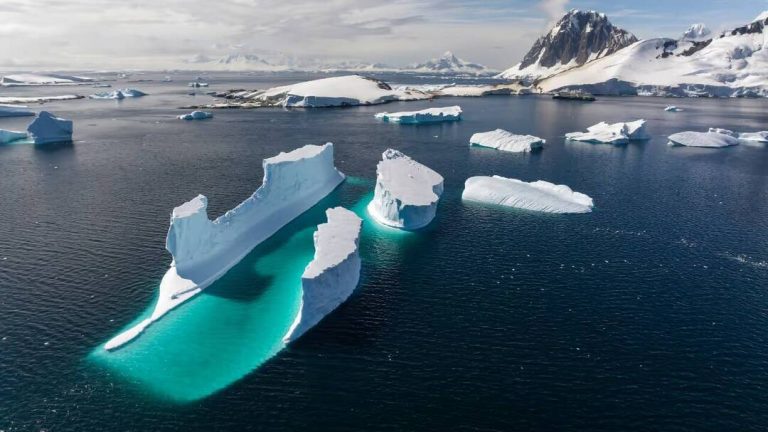
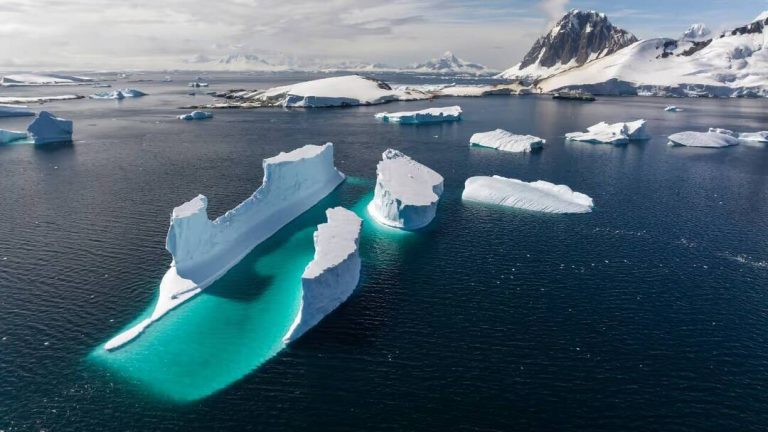
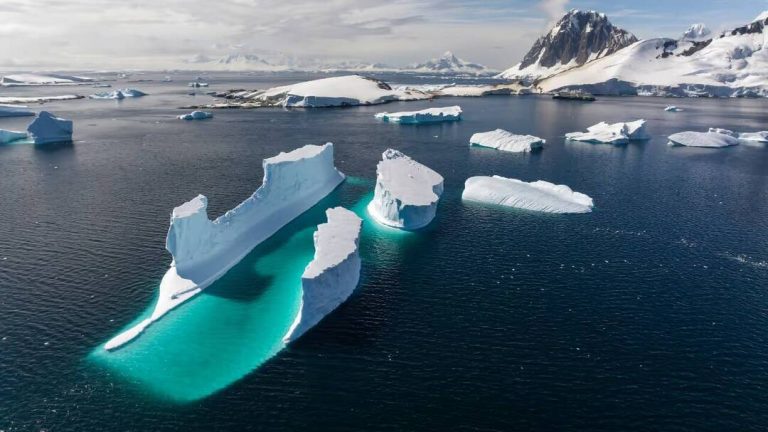
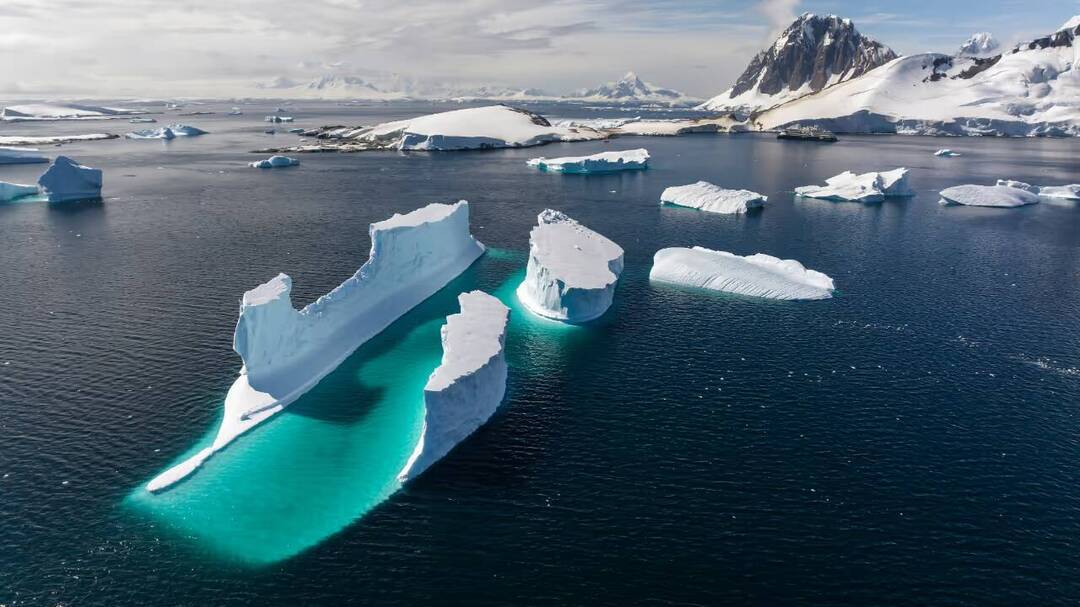
The West Antarctic Ice Sheet has been a subject of concern for climate scientists in recent years, with its rapid melting posing a significant threat to global sea levels and the environment. However, a new study has highlighted another alarming consequence of the ice sheet’s melting: the weakening of the Southern Ocean’s ability to absorb carbon dioxide. The research suggests that the release of iron from melting icebergs into the ocean, while initially beneficial for algae growth, ultimately limits the ocean’s capacity for carbon capture, exacerbating the effects of climate change.
The Southern Ocean, which surrounds Antarctica, plays a crucial role in regulating the Earth’s climate by absorbing significant amounts of carbon dioxide from the atmosphere. However, this process is dependent on the presence of iron, a essential nutrient for phytoplankton and other marine algae. As the West Antarctic Ice Sheet melts, icebergs release iron into the ocean, which would seem to boost the growth of these microorganisms and, in turn, enhance carbon absorption. Nevertheless, the study reveals that much of the iron released from melting icebergs is in a form that is unusable by algae, thereby limiting the potential for carbon capture.
To understand the implications of this finding, it is essential to examine the historical context of the West Antarctic Ice Sheet’s sensitivity to warming. Past episodes of warming have shown that the ice sheet is highly responsive to changes in temperature, with significant melting occurring in response to even modest increases in global temperatures. This sensitivity suggests that future melting of the ice sheet could create a self-reinforcing feedback loop, where the release of iron from melting icebergs stimulates the growth of algae, but the limited availability of usable iron restricts the ocean’s ability to absorb carbon dioxide. As a result, the concentration of carbon dioxide in the atmosphere would continue to rise, driving further warming and melting of the ice sheet, and so on.
The consequences of this feedback loop would be far-reaching and devastating. As the West Antarctic Ice Sheet continues to melt, the Southern Ocean’s capacity to absorb carbon dioxide would decline, allowing more of this greenhouse gas to remain in the atmosphere and exacerbate climate change. This, in turn, would lead to more rapid melting of the ice sheet, as well as other polar ice masses, resulting in catastrophic sea-level rise and associated impacts on coastal ecosystems and human populations.
The study’s findings also have significant implications for our understanding of the Earth’s carbon cycle and the role of the oceans in regulating the climate. The research highlights the complex and often nonlinear relationships between the atmosphere, oceans, and ice sheets, and underscores the need for continued investigation into the dynamics of these systems. By improving our understanding of these interactions, scientists can develop more accurate models of the Earth’s climate and provide policymakers with the information they need to make informed decisions about mitigating and adapting to climate change.
In conclusion, the melting of the West Antarctic Ice Sheet poses a significant threat to the Earth’s climate, not only through its contribution to sea-level rise but also through its impact on the Southern Ocean’s ability to absorb carbon dioxide. The release of iron from melting icebergs, while initially beneficial for algae growth, ultimately limits the ocean’s capacity for carbon capture, creating a feedback loop that could accelerate climate change. As the world continues to warm, it is essential that we prioritize research into the dynamics of the Earth’s climate system and work towards reducing our greenhouse gas emissions to mitigate the worst impacts of climate change.
About the Author