West Antarctic ice melt could weaken ocean carbon absorption
The West Antarctic Ice Sheet has been a subject of concern for climate scientists in recent years, as its melting has been accelerating at an alarming rate. A new study has warned that the melting of this ice sheet could have a significant impact on the Southern Ocean’s ability to absorb carbon dioxide, a crucial process that helps to regulate the Earth’s climate. In this blog post, we will explore the findings of this study and what they mean for our understanding of the Earth’s climate system.
The Southern Ocean, which surrounds Antarctica, plays a critical role in the global carbon cycle. It is responsible for absorbing a significant proportion of the carbon dioxide released into the atmosphere through human activities such as burning fossil fuels. This process, known as carbon sequestration, helps to slow down the rate of global warming by reducing the amount of greenhouse gases in the atmosphere. However, the study suggests that the melting of the West Antarctic Ice Sheet could weaken the Southern Ocean’s ability to absorb carbon dioxide, making it harder to slow down climate change.
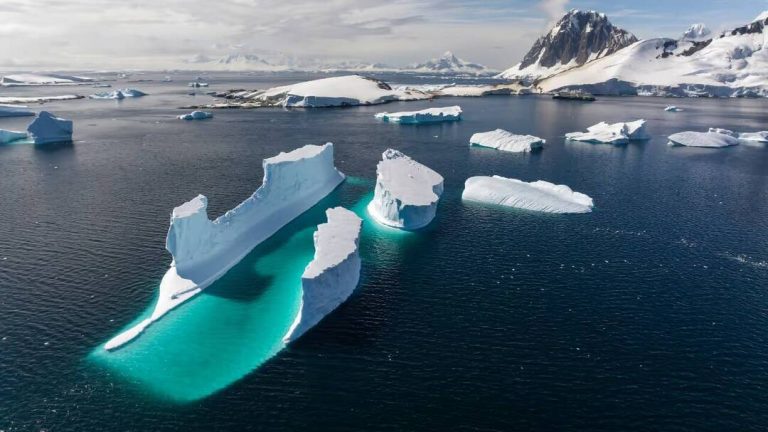
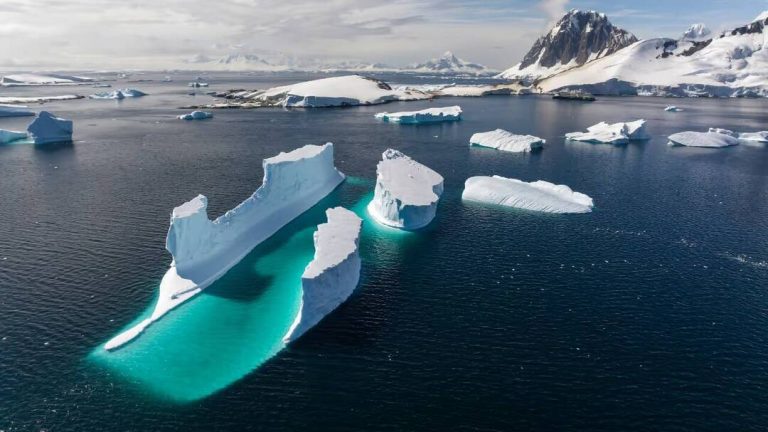
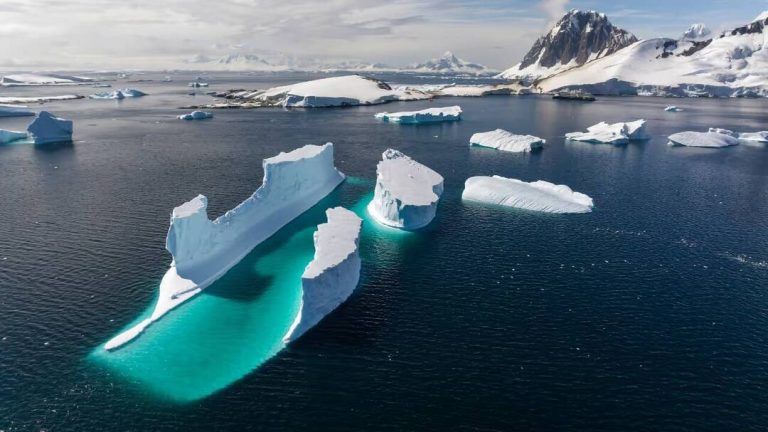
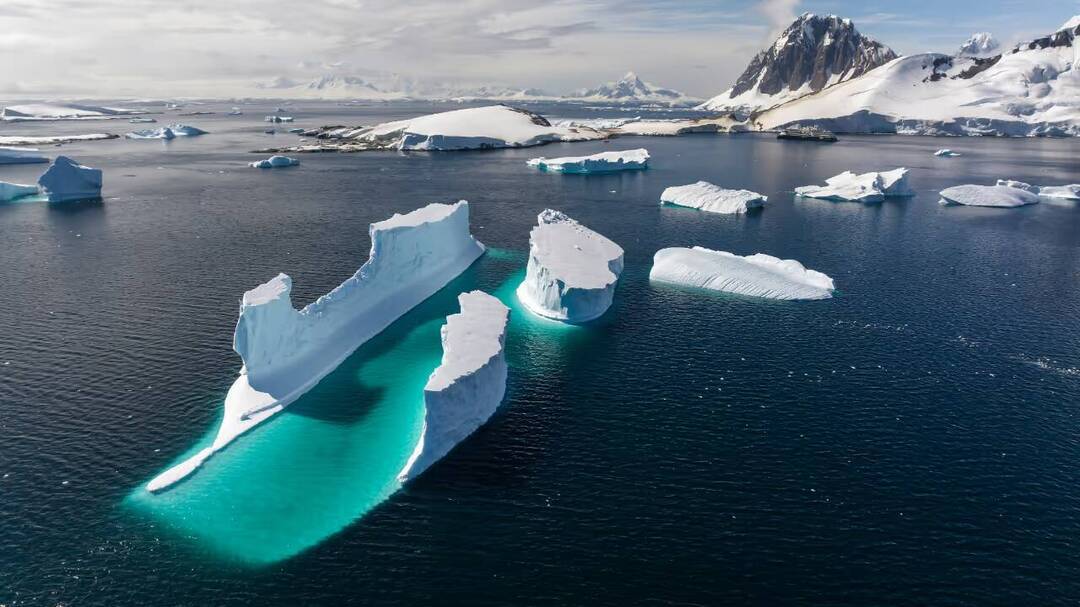
So, how does the melting of the West Antarctic Ice Sheet affect the Southern Ocean’s ability to absorb carbon dioxide? The answer lies in the role of iron in the ocean. Iron is a essential nutrient for phytoplankton, the tiny plants that absorb carbon dioxide through photosynthesis. When icebergs melt, they release iron into the ocean, which can stimulate the growth of phytoplankton. However, the study found that much of the iron released by melting icebergs is in a form that is unusable by phytoplankton, limiting the amount of carbon that can be captured.
This is a significant finding, as it suggests that the melting of the West Antarctic Ice Sheet could create a feedback loop that makes climate change harder to slow down. As the ice sheet melts, it releases iron into the ocean, but much of this iron is unusable by phytoplankton. This means that the Southern Ocean’s ability to absorb carbon dioxide is weakened, allowing more greenhouse gases to remain in the atmosphere and exacerbating climate change. As the planet warms, the ice sheet melts more quickly, releasing even more iron into the ocean and further weakening the Southern Ocean’s ability to absorb carbon dioxide.
The study’s findings are based on an analysis of past warming events, which show that the West Antarctic Ice Sheet is highly sensitive to changes in the climate. During these events, the ice sheet melted rapidly, releasing large amounts of iron into the ocean. However, much of this iron was in a form that was unusable by phytoplankton, limiting the amount of carbon that could be captured. The study suggests that a similar process could occur in the future, as the planet continues to warm and the ice sheet melts more quickly.
The implications of this study are significant, as they suggest that the melting of the West Antarctic Ice Sheet could have a major impact on the Earth’s climate system. The Southern Ocean plays a critical role in regulating the Earth’s climate, and any weakening of its ability to absorb carbon dioxide could have far-reaching consequences. As the planet continues to warm, it is essential that we take action to reduce our greenhouse gas emissions and slow down the rate of climate change.
In conclusion, the study’s findings highlight the importance of taking action to reduce our greenhouse gas emissions and slow down the rate of climate change. The melting of the West Antarctic Ice Sheet is a significant concern, as it could weaken the Southern Ocean’s ability to absorb carbon dioxide and create a feedback loop that makes climate change harder to slow down. As we move forward, it is essential that we prioritize climate action and work to reduce our impact on the planet.
To learn more about this topic, you can visit the following news source:
https://newsable.asianetnews.com/international/climate-change/antarctic-ice-sheet-loss-weakens-ocean-carbon-absorption-articleshow-npwvmmw
This study is a significant contribution to our understanding of the Earth’s climate system, and it highlights the need for urgent action to address the climate crisis. As we move forward, it is essential that we prioritize climate action and work to reduce our impact on the planet. By taking action to reduce our greenhouse gas emissions and slow down the rate of climate change, we can help to protect the Earth’s climate system and ensure a sustainable future for generations to come.
The West Antarctic Ice Sheet is a critical component of the Earth’s climate system, and its melting has significant implications for the planet. As we continue to warm the planet, it is essential that we take action to reduce our impact on the climate system and slow down the rate of climate change. This can be achieved through a range of measures, including reducing our greenhouse gas emissions, transitioning to renewable energy sources, and protecting natural carbon sinks such as forests and oceans.
In addition to taking action to reduce our greenhouse gas emissions, it is also essential that we support climate change research and monitoring efforts. By studying the Earth’s climate system and tracking changes in the West Antarctic Ice Sheet, we can gain a better understanding of the climate crisis and develop effective strategies for addressing it. This includes supporting scientists and researchers who are working to study the climate system, as well as investing in climate change mitigation and adaptation efforts.
In the end, the study’s findings are a stark reminder of the need for urgent action to address the climate crisis. The melting of the West Antarctic Ice Sheet is a significant concern, and it highlights the need for us to take action to reduce our impact on the planet. By prioritizing climate action and working to reduce our greenhouse gas emissions, we can help to protect the Earth’s climate system and ensure a sustainable future for generations to come.
To learn more about this topic, you can visit the following news source:
https://newsable.asianetnews.com/international/climate-change/antarctic-ice-sheet-loss-weakens-ocean-carbon-absorption-articleshow-npwvmmw
About the Author