West Antarctic ice melt could weaken ocean carbon absorption
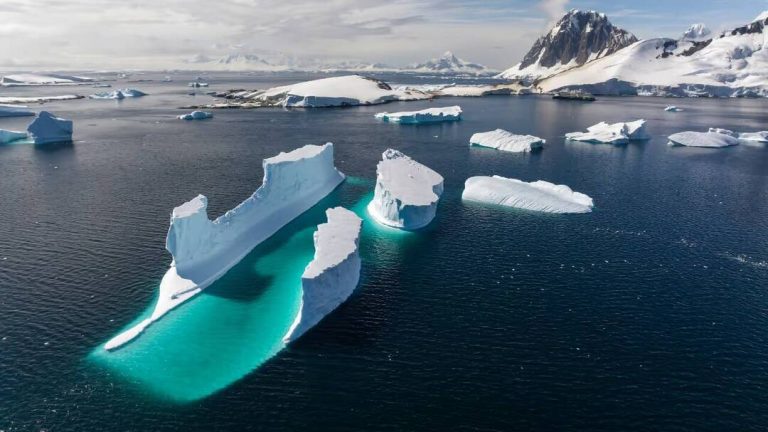
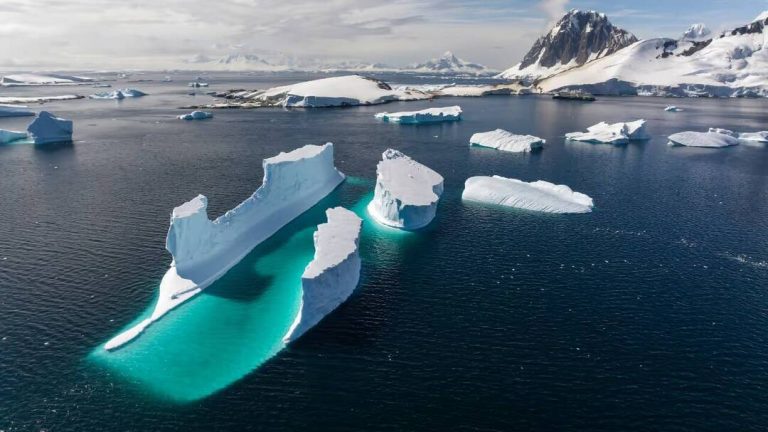
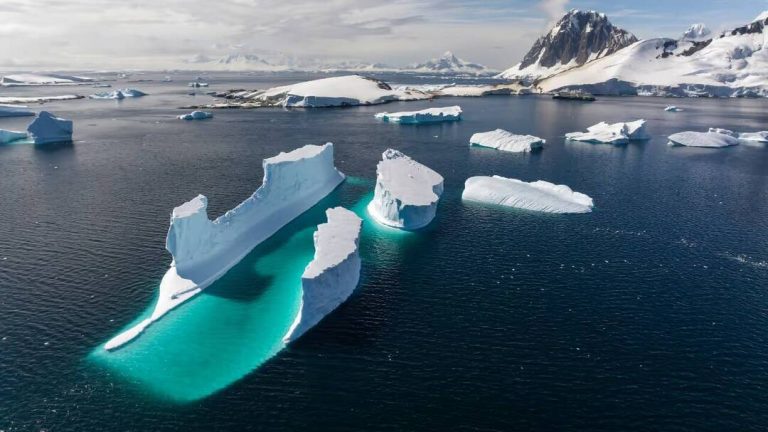
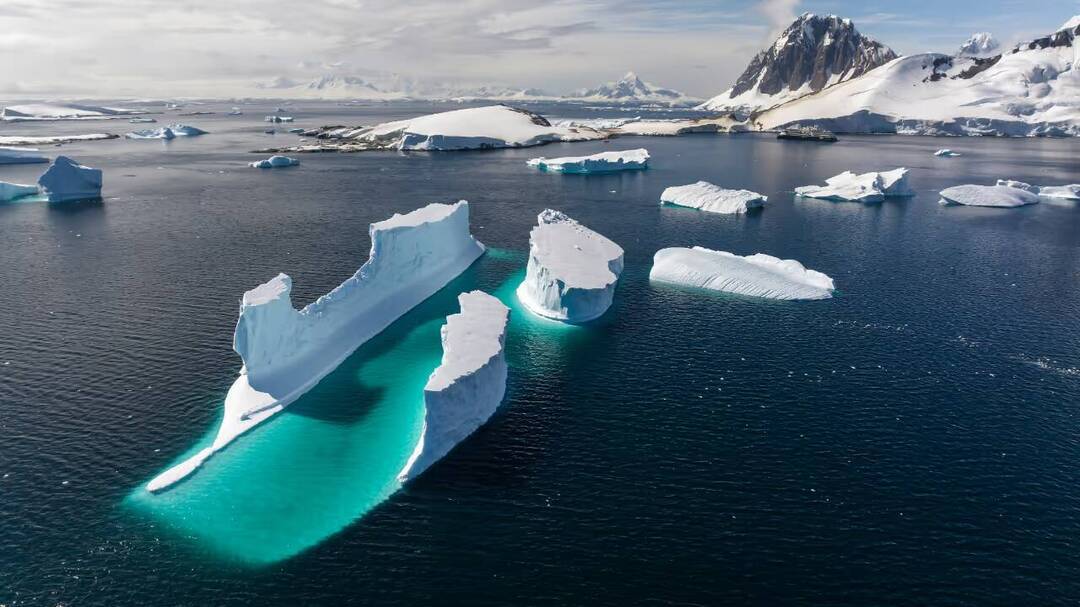
The West Antarctic Ice Sheet has been a subject of concern for climate scientists in recent years, as its melting has been accelerating at an alarming rate. A new study has warned that this melting could have a significant impact on the Southern Ocean’s ability to absorb carbon dioxide, a crucial process in regulating the Earth’s climate. The findings suggest that the ice sheet’s melting could create a feedback loop, making it even harder to slow down climate change.
The Southern Ocean, which surrounds Antarctica, plays a vital role in absorbing carbon dioxide from the atmosphere. It is estimated that the ocean absorbs around 25% of the carbon dioxide released into the atmosphere each year, making it a crucial component in the global carbon cycle. However, the study found that the melting of the West Antarctic Ice Sheet could weaken the ocean’s ability to absorb carbon dioxide.
One of the key factors in the ocean’s ability to absorb carbon dioxide is the presence of iron. Iron is a essential nutrient for algae, which are the primary organisms responsible for absorbing carbon dioxide through photosynthesis. However, the study found that the iron released by melting icebergs is not always usable by algae. In fact, much of the iron is in a form that is not readily available to the algae, limiting the ocean’s ability to capture carbon.
The study used past warming events to understand the sensitivity of the West Antarctic Ice Sheet to climate change. The findings suggest that the ice sheet is highly sensitive to even small changes in temperature, and that it has undergone significant melting in the past. This melting has had a profound impact on the ocean’s ability to absorb carbon dioxide, and the study warns that future melting could create a feedback loop.
A feedback loop occurs when a change in the climate system amplifies or accelerates the effects of climate change. In this case, the melting of the West Antarctic Ice Sheet could lead to a reduction in the ocean’s ability to absorb carbon dioxide, which in turn could lead to an increase in atmospheric carbon dioxide levels. This would then accelerate the melting of the ice sheet, creating a self-reinforcing cycle that would be difficult to break.
The implications of this study are significant. If the West Antarctic Ice Sheet continues to melt at its current rate, it could have a profound impact on the Earth’s climate. The reduction in the ocean’s ability to absorb carbon dioxide would lead to an increase in atmospheric carbon dioxide levels, which would in turn accelerate climate change. This would have far-reaching consequences, including more frequent and severe heatwaves, droughts, and storms.
The study’s findings also highlight the importance of reducing greenhouse gas emissions. If we can slow down the rate of climate change, we may be able to reduce the impact of the West Antarctic Ice Sheet’s melting on the ocean’s ability to absorb carbon dioxide. This would require a concerted effort to reduce our reliance on fossil fuels and transition to renewable energy sources.
In conclusion, the melting of the West Antarctic Ice Sheet is a pressing concern that requires immediate attention. The study’s findings suggest that the ice sheet’s melting could weaken the Southern Ocean’s ability to absorb carbon dioxide, creating a feedback loop that would be difficult to break. It is essential that we take action to reduce greenhouse gas emissions and slow down the rate of climate change. This would not only help to preserve the West Antarctic Ice Sheet, but also mitigate the worst effects of climate change.
About the Author