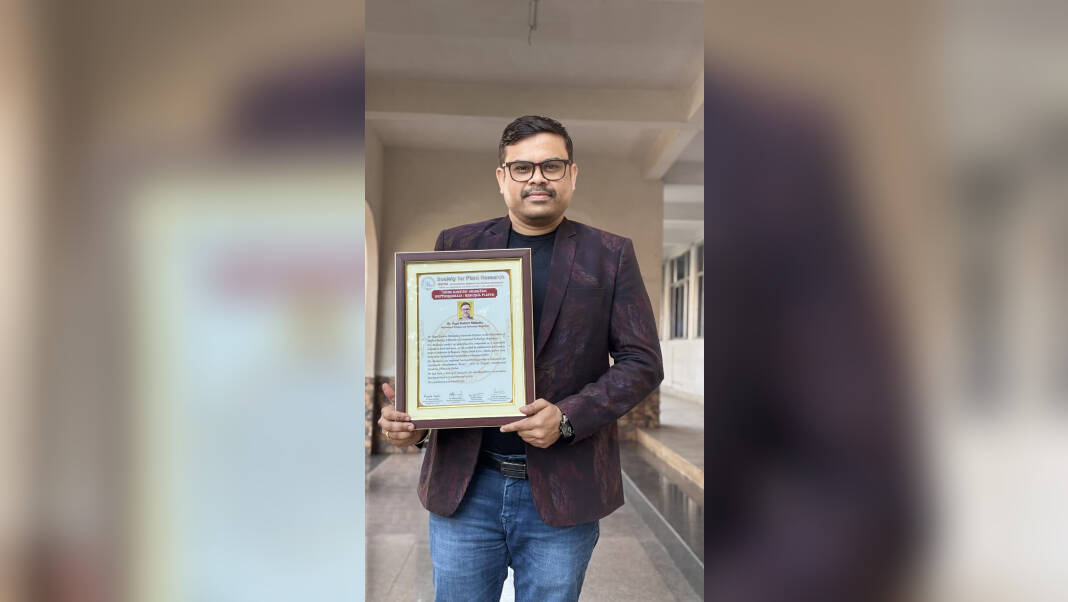
USTM Scientist Wins Young Scientist Award 2025
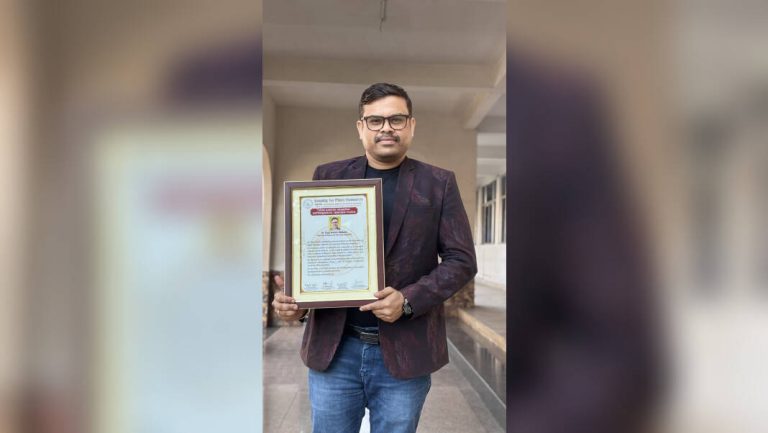
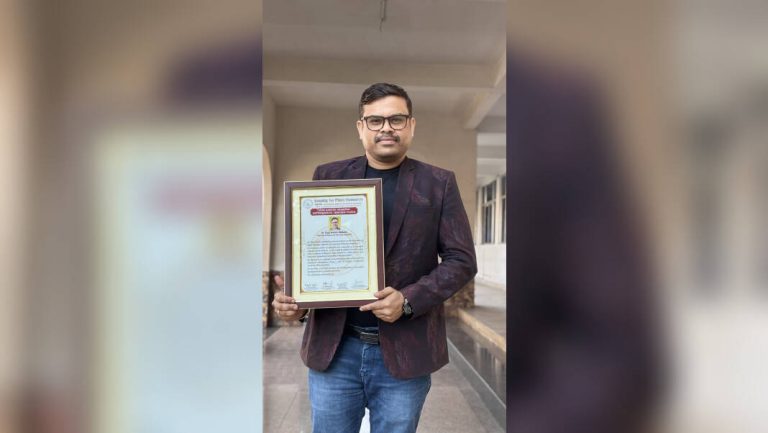
The world of science has witnessed a significant milestone with the announcement of the Young Scientist Award 2025, and we are thrilled to share that an Indian scientist has taken center stage. Dr. Yugal Kishore Mohanta, an Assistant Professor at the University of Science and Technology, Meghalaya (USTM), has been conferred with the prestigious global Young Scientist Award–2025. This recognition is a testament to his groundbreaking research on medicinal plants and phytochemicals, and we couldn’t be more proud to highlight his achievement.
The award, conferred by the Society for Plant Research (VEGETOS), is a befitting acknowledgment of Dr. Mohanta’s tireless efforts in unraveling the secrets of indigenous botanical knowledge and translating it into modern therapeutic applications. His work has opened up new avenues for the development of novel medicines and treatments, and we are excited to delve deeper into his research and its implications.
Uncovering the Potential of Medicinal Plants
Medicinal plants have been an integral part of traditional medicine systems for centuries, with many cultures around the world relying on them for their therapeutic properties. However, the modern world has often overlooked the potential of these plants, opting instead for synthetic medicines. Dr. Mohanta’s research has sought to bridge this gap, exploring the vast array of phytochemicals present in medicinal plants and their potential applications in modern medicine.
Through his research, Dr. Mohanta has identified several novel phytochemicals with potential therapeutic properties, including antimicrobial, anti-inflammatory, and antioxidant activities. His work has also focused on the development of new methods for the extraction, isolation, and characterization of these phytochemicals, paving the way for their use in the development of new medicines.
Translating Indigenous Knowledge into Modern Therapeutics
One of the most significant aspects of Dr. Mohanta’s research is its emphasis on translating indigenous botanical knowledge into modern therapeutic applications. By working closely with local communities and traditional healers, Dr. Mohanta has been able to tap into the wealth of knowledge that has been passed down through generations. This approach has not only helped to validate the traditional uses of medicinal plants but has also led to the discovery of new phytochemicals with potential therapeutic properties.
Dr. Mohanta’s work has also highlighted the importance of preserving indigenous knowledge and promoting its integration into modern medicine. By recognizing the value of traditional knowledge systems, we can work towards a more inclusive and equitable approach to healthcare, one that acknowledges the contributions of diverse cultures and communities.
The Impact of Dr. Mohanta’s Research
The implications of Dr. Mohanta’s research are far-reaching, with potential applications in a wide range of fields, from medicine to agriculture. His work has the potential to:
- Develop new medicines: By identifying novel phytochemicals with therapeutic properties, Dr. Mohanta’s research could lead to the development of new medicines, offering hope for the treatment of diseases that are currently incurable.
- Promote sustainable agriculture: By promoting the use of medicinal plants, Dr. Mohanta’s research could contribute to the development of sustainable agriculture practices, reducing our reliance on synthetic fertilizers and pesticides.
- Preserve indigenous knowledge: By recognizing the value of indigenous knowledge systems, Dr. Mohanta’s work could help to preserve traditional knowledge and promote its integration into modern medicine.
Conclusion
The Young Scientist Award 2025 is a well-deserved recognition of Dr. Yugal Kishore Mohanta’s groundbreaking research on medicinal plants and phytochemicals. His work has the potential to revolutionize the field of medicine, promoting a more inclusive and equitable approach to healthcare. As we celebrate this achievement, we are reminded of the importance of preserving indigenous knowledge and promoting its integration into modern medicine. We look forward to seeing the impact of Dr. Mohanta’s research in the years to come and are proud to acknowledge his contribution to the scientific community.
About the Author