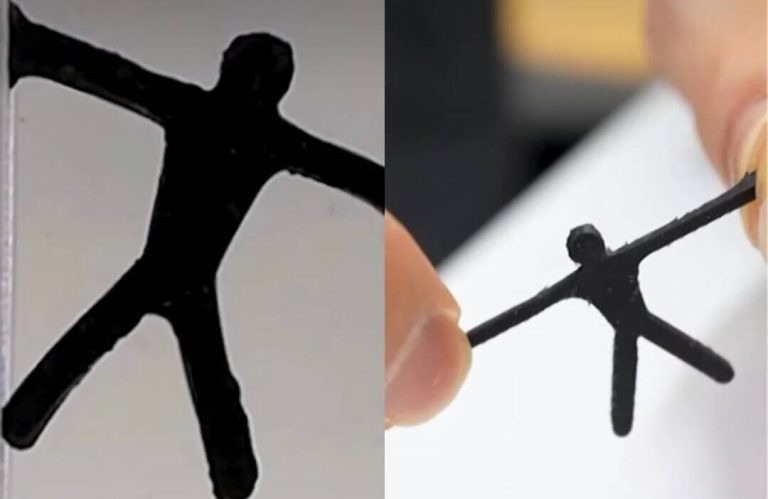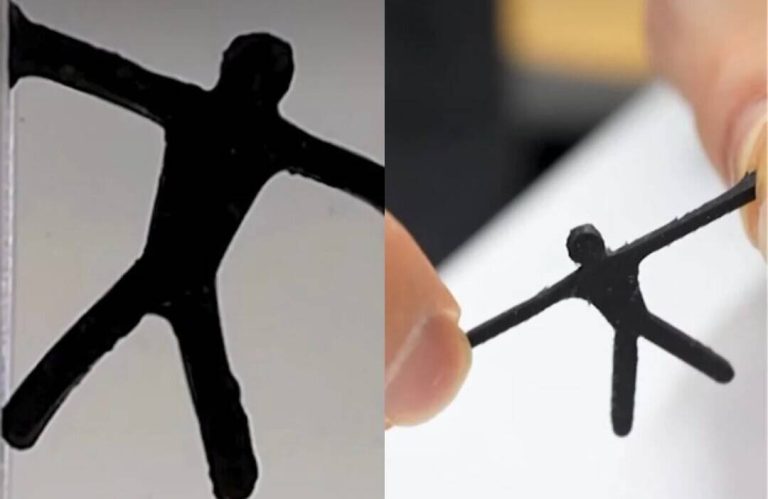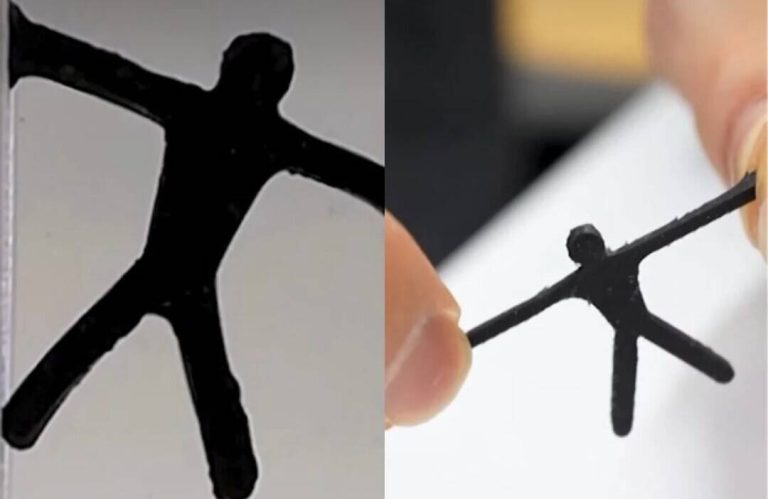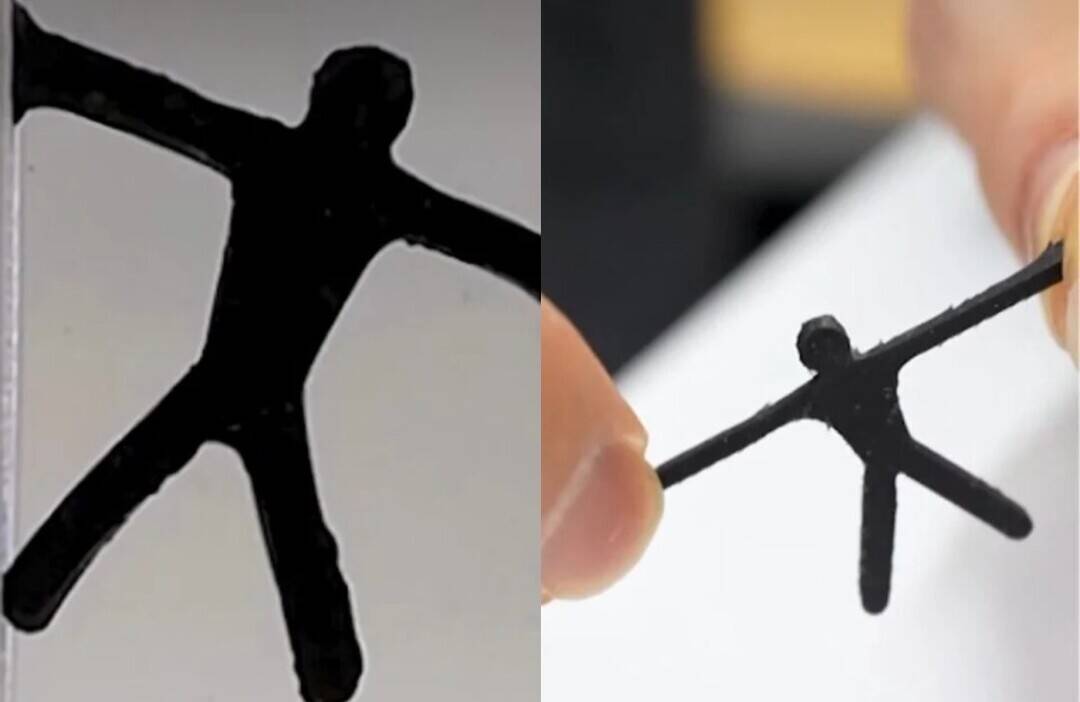
UK scientists create shape-shifting jelly robot that moves with electric fields
In a groundbreaking discovery, British researchers have developed a soft, jelly-like robot that moves and changes shape using external electric fields, without the need for motors or joints. Designed by University of Bristol scientists, the robot has the ability to reshape its body to bend, stretch, and move, making it an ideal candidate for exploration in tight, fragile, or hazardous environments.
The innovative robot is made of a soft, gel-like material that is responsive to electric fields. When an electric field is applied, the robot’s body changes shape, allowing it to move and navigate through its surroundings. This unique ability to change shape and move without the need for traditional motors or joints makes the robot highly versatile and adaptable.
The University of Bristol scientists behind the discovery have designed the robot to be highly flexible and able to withstand a range of environments. The robot’s soft body is resistant to damage and can withstand significant stress and strain, making it an ideal candidate for use in environments that are difficult or impossible for traditional robots to navigate.
One of the most significant advantages of the shape-shifting jelly robot is its ability to navigate through tight spaces. Traditional robots are often limited by their rigid bodies and joints, which can make it difficult for them to navigate through narrow or complex environments. The soft, jelly-like body of the new robot allows it to squeeze through tight spaces and change shape to fit through narrow openings.
The robot’s ability to change shape and move without motors or joints also makes it highly energy-efficient. Traditional robots often require significant amounts of energy to power their motors and joints, which can limit their range and endurance. The shape-shifting jelly robot, on the other hand, uses minimal energy to change shape and move, making it an ideal candidate for use in environments where energy is limited.
The potential applications of the shape-shifting jelly robot are vast and varied. The robot could be used for search and rescue missions, where its ability to navigate through tight spaces and change shape to fit through narrow openings could be invaluable. It could also be used for environmental monitoring, where its ability to withstand harsh environments and navigate through complex terrain could make it an ideal candidate for tracking and monitoring wildlife or detecting environmental pollutants.
The robot could also be used in medical applications, where its soft, flexible body could make it an ideal candidate for use in delicate or fragile environments. For example, the robot could be used to navigate through the body and deliver medication or perform surgery, without causing damage to surrounding tissue.
The development of the shape-shifting jelly robot is a significant breakthrough in the field of robotics, and it has the potential to revolutionize the way we approach exploration and navigation in complex environments. The University of Bristol scientists behind the discovery are continuing to develop and refine the robot, and it is likely that we will see significant advancements in the field of soft robotics in the coming years.
In conclusion, the shape-shifting jelly robot developed by University of Bristol scientists is a groundbreaking innovation that has the potential to revolutionize the field of robotics. Its ability to change shape and move without motors or joints makes it highly versatile and adaptable, and its potential applications are vast and varied. As research and development continue to advance, it is likely that we will see significant breakthroughs in the field of soft robotics, and the shape-shifting jelly robot is an exciting example of what is possible.
About the Author