UK scientists create shape-shifting jelly robot that moves with electric fields
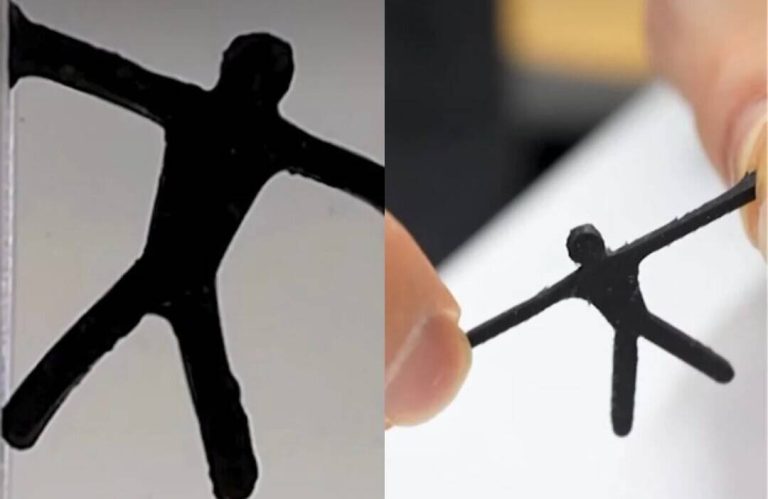
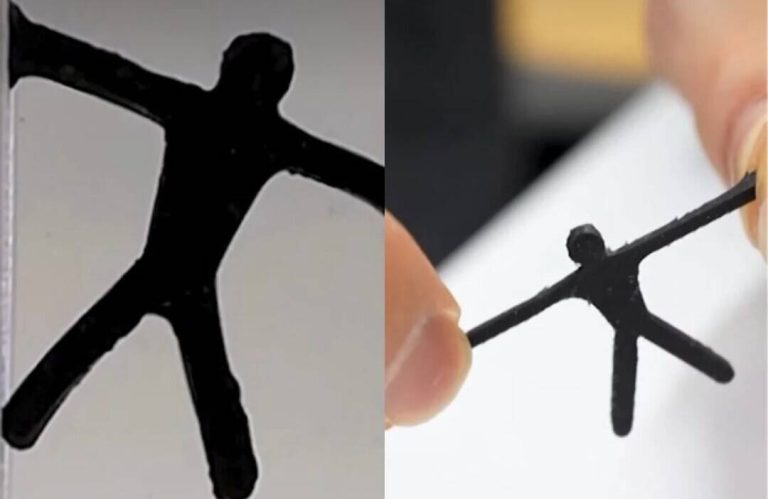
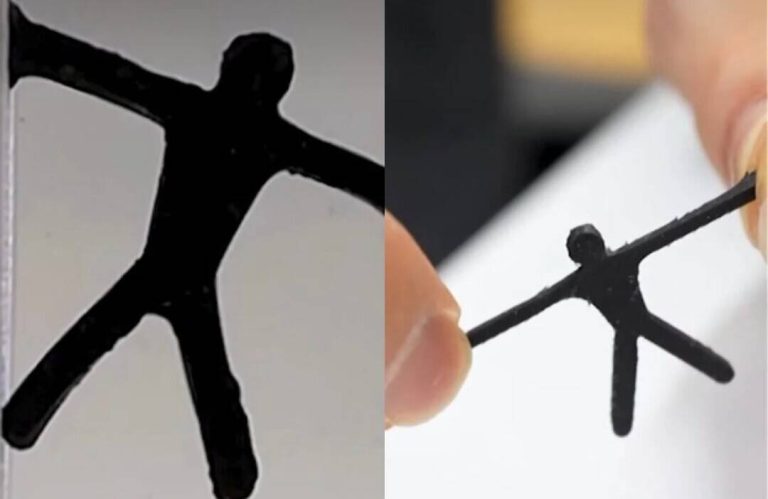
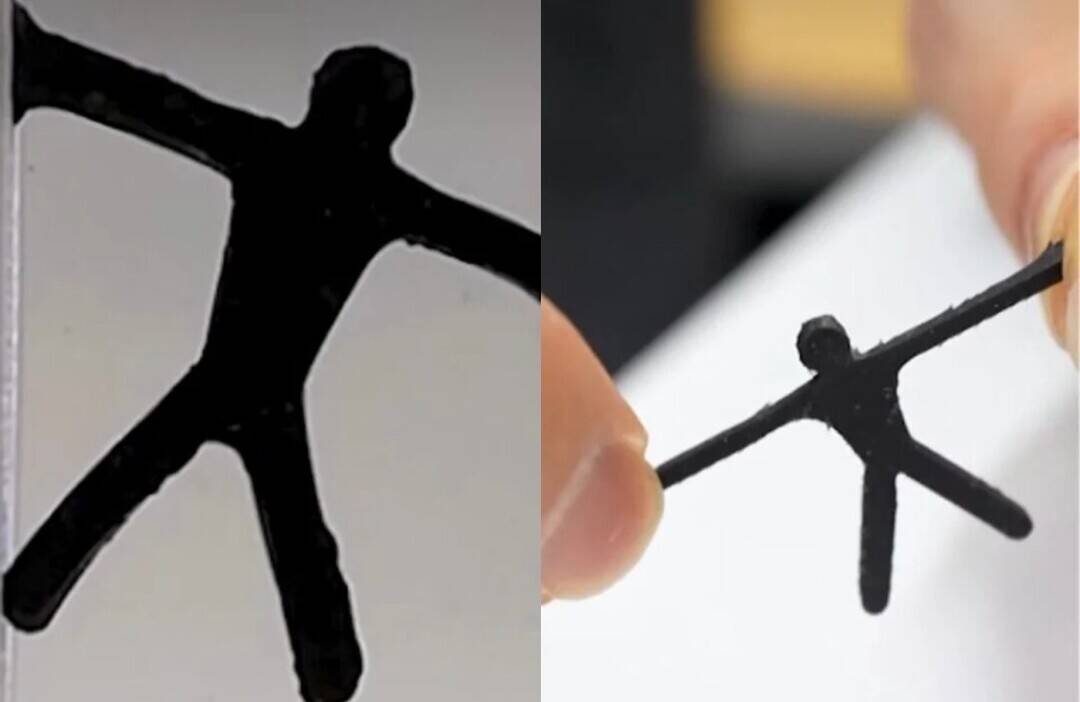
In a groundbreaking achievement, British researchers have developed a soft, jelly-like robot that moves and changes shape using external electric fields, without the need for motors or joints. Designed by University of Bristol scientists, the robot has the ability to reshape its body to bend, stretch, and move, making it an ideal candidate for exploration in tight, fragile, or hazardous environments.
The robot, which is made of a soft, gel-like material, is able to move and change shape in response to external electric fields. This is achieved through the use of a process called electroactive polymers, which are materials that can change shape or size when an electric field is applied. By carefully manipulating the electric fields, the researchers are able to control the movement and shape of the robot, allowing it to navigate through complex environments with ease.
One of the most significant advantages of this robot is its ability to operate without the need for motors or joints. Traditional robots often rely on these components to move and change shape, but they can be bulky, heavy, and prone to failure. In contrast, the soft, jelly-like robot is able to move and change shape using only the external electric fields, making it a much more reliable and efficient option.
The potential applications of this technology are vast and varied. For example, the robot could be used to explore tight or fragile environments, such as inside the human body or in delicate ecosystems. It could also be used to navigate through hazardous environments, such as disaster zones or areas with toxic chemicals. The robot’s ability to change shape and move in response to external electric fields makes it an ideal candidate for a wide range of tasks, from search and rescue missions to environmental monitoring.
The development of this robot is also a significant step forward in the field of soft robotics. Soft robots are designed to be flexible and adaptable, allowing them to interact with their environment in a more gentle and nuanced way. They have a wide range of potential applications, from healthcare and manufacturing to exploration and discovery. The UK scientists’ achievement is a major breakthrough in this field, and it is likely to have a significant impact on the development of soft robotics in the years to come.
The University of Bristol researchers who designed the robot are thrilled with the results of their work. “We are excited about the potential of this technology to revolutionize the way we approach robotics,” said one of the researchers. “Our soft, jelly-like robot is able to move and change shape in a way that is both flexible and efficient, making it an ideal candidate for a wide range of applications.”
The researchers are already exploring new ways to develop and improve their robot. They are working on creating more complex shapes and movements, and they are also investigating the use of different materials and technologies to enhance the robot’s performance. With further development and refinement, it is likely that this technology will have a major impact on the field of robotics and beyond.
In conclusion, the development of a shape-shifting jelly robot that moves with electric fields is a significant achievement that has the potential to revolutionize the field of robotics. The robot’s ability to move and change shape in response to external electric fields makes it an ideal candidate for exploration in tight, fragile, or hazardous environments. With its potential applications in a wide range of fields, from healthcare and manufacturing to exploration and discovery, this technology is likely to have a major impact in the years to come.
About the Author