UK scientists create shape-shifting jelly robot that moves with electric fields
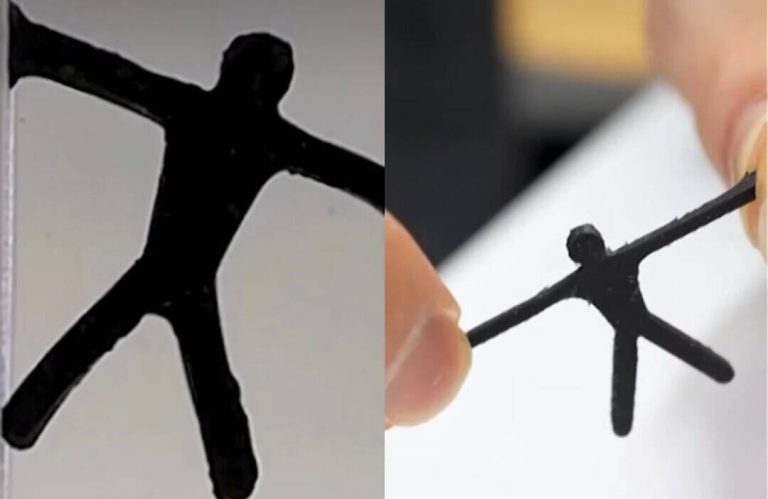
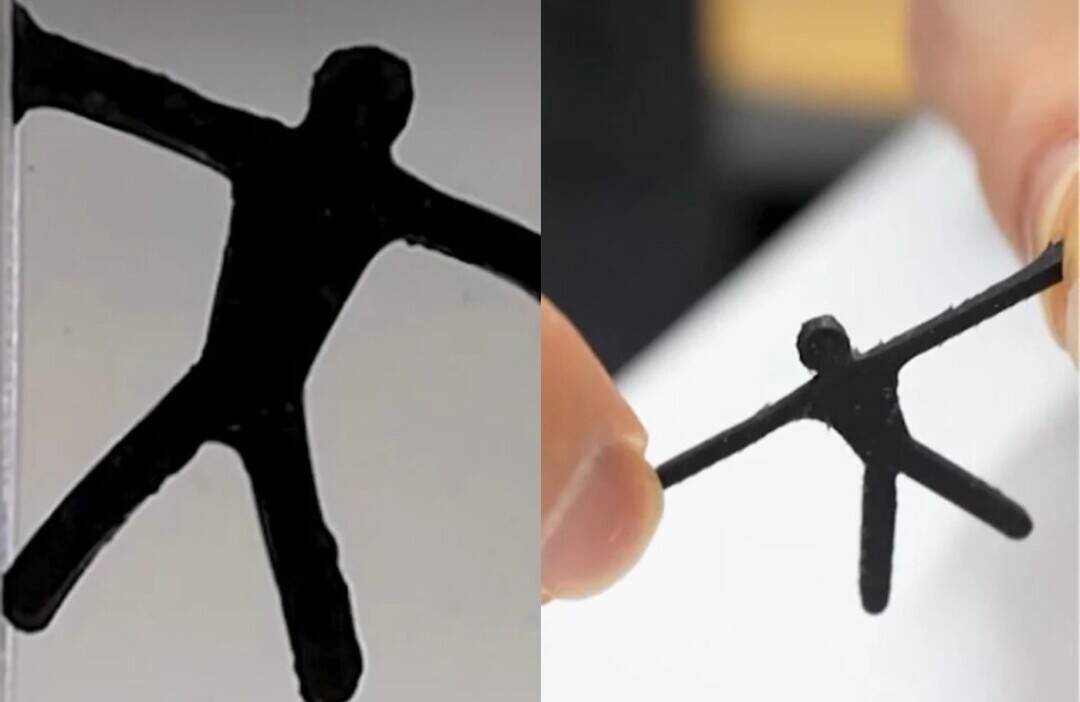
In a groundbreaking achievement, British researchers have developed a revolutionary soft, jelly-like robot that can move and change shape using external electric fields. Designed by University of Bristol scientists, this innovative robot can reshape its body to bend, stretch, and move without the need for motors or joints. This breakthrough technology has the potential to aid exploration in tight, fragile, or hazardous environments, where traditional robots may struggle to operate.
The development of this shape-shifting robot is a significant milestone in the field of robotics, as it offers a new approach to designing and building robots that can navigate and interact with complex environments. Traditional robots are often rigid and rely on motors and joints to move, which can limit their ability to operate in confined or delicate spaces. In contrast, the jelly-like robot can change its shape and move in response to external electric fields, allowing it to adapt to different situations and environments.
The University of Bristol scientists behind this innovation used a type of material called an electroactive polymer (EAP) to create the robot’s body. EAPs are capable of changing shape or size when an electric field is applied, making them ideal for use in soft robotics. By carefully designing the shape and structure of the EAP material, the researchers were able to create a robot that can move and change shape in response to electric fields.
One of the most significant advantages of this shape-shifting robot is its ability to operate in tight or fragile environments. Traditional robots can be bulky and rigid, making it difficult for them to navigate through narrow spaces or interact with delicate objects. In contrast, the jelly-like robot can change its shape to fit through small openings or wrap around fragile objects, allowing it to operate in environments that would be inaccessible to traditional robots.
The potential applications of this technology are vast and varied. For example, the shape-shifting robot could be used to explore tight spaces in buildings or infrastructure, such as pipes or ductwork, to inspect for damage or defects. It could also be used to interact with fragile or delicate objects, such as artwork or historical artifacts, to handle or manipulate them without causing damage.
In addition to its potential applications, the development of this shape-shifting robot also highlights the advances being made in the field of soft robotics. Soft robotics is a rapidly growing area of research that focuses on developing robots that are flexible, adaptable, and able to interact with complex environments. The use of EAP materials and other soft robotics technologies is allowing researchers to create robots that are more agile, more flexible, and more able to operate in a wide range of environments.
The University of Bristol scientists behind this innovation are excited about the potential of their shape-shifting robot to aid exploration in tight, fragile, or hazardous environments. According to the researchers, the robot’s ability to change shape and move in response to electric fields makes it ideal for use in a variety of applications, from search and rescue operations to environmental monitoring.
In conclusion, the development of a shape-shifting jelly robot that moves with electric fields is a significant achievement in the field of robotics. The use of EAP materials and soft robotics technologies has allowed researchers to create a robot that can change its shape and move in response to external electric fields, making it ideal for use in tight, fragile, or hazardous environments. As research in this area continues to advance, we can expect to see the development of even more innovative and adaptable robots that can operate in a wide range of environments.
The potential impact of this technology is vast, and it will be exciting to see how it is used in the future. With its ability to change shape and move in response to electric fields, the shape-shifting robot has the potential to revolutionize the way we explore and interact with complex environments. Whether it is used to inspect tight spaces, handle fragile objects, or operate in hazardous environments, this robot is sure to make a significant impact in the field of robotics.
As we look to the future, it is clear that the development of shape-shifting robots like this one will play a major role in shaping the direction of robotics research. With its ability to adapt to different situations and environments, this robot has the potential to inspire a new generation of robots that are more agile, more flexible, and more able to operate in a wide range of environments.
For more information on this groundbreaking development, please visit the news source:
About the Author