UK scientists create shape-shifting jelly robot that moves with electric fields
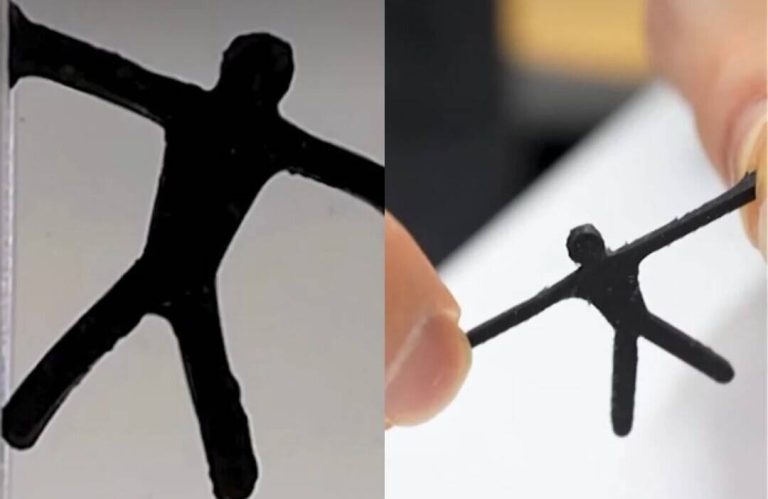
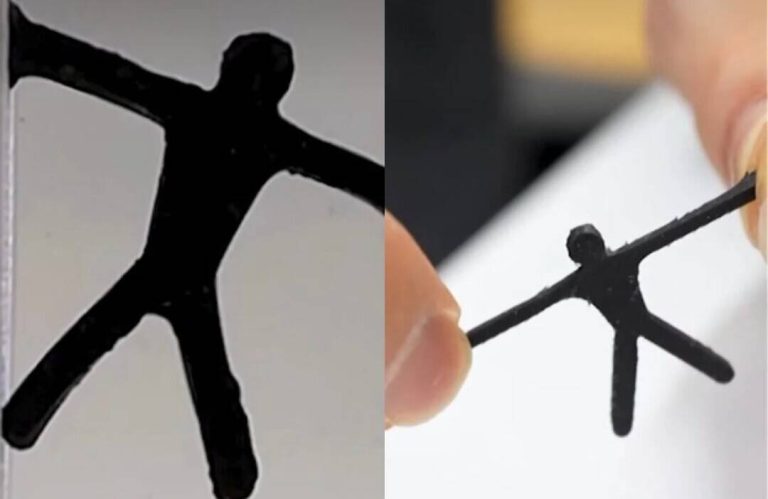
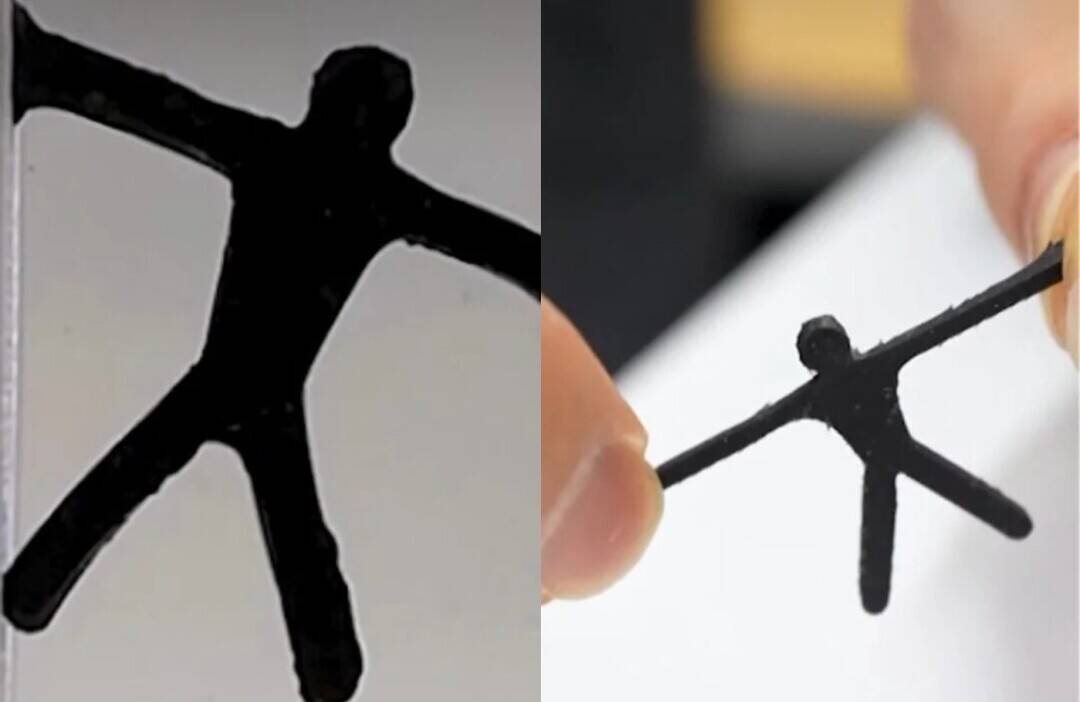
In a groundbreaking achievement, British researchers have developed a soft, jelly-like robot that moves and changes shape using external electric fields, without the need for motors or joints. Designed by University of Bristol scientists, the robot has the ability to reshape its body to bend, stretch, and move, making it an ideal candidate for exploration in tight, fragile, or hazardous environments.
The innovative robot, which is made of a soft, gel-like material, is able to change its shape and move in response to external electric fields. This is achieved through the use of electroactive polymers, which are materials that can change their shape or size in response to an electric field. By carefully designing the structure and composition of the robot, the researchers were able to create a device that can move and change shape in a controlled and predictable manner.
One of the key advantages of this robot is its ability to navigate through tight spaces and fragile environments without causing damage. Traditional robots, which are often rigid and inflexible, can be difficult to maneuver in these types of situations, and can potentially cause harm to their surroundings. In contrast, the soft, jelly-like robot is able to deform and change shape to fit through narrow openings, making it an ideal candidate for search and rescue missions, or for exploring delicate or hazardous environments.
The robot’s ability to change shape and move in response to electric fields also makes it highly versatile. For example, it could be used to inspect pipes or other narrow spaces, or to explore areas that are inaccessible to traditional robots. Additionally, the robot’s soft and flexible body makes it well-suited for interacting with delicate or fragile objects, such as handling fragile specimens or navigating through crowded or complex environments.
The development of this shape-shifting robot is a significant achievement, and has the potential to revolutionize the field of robotics. By creating a device that can move and change shape without the need for motors or joints, the researchers have opened up new possibilities for the design and application of robots. This technology could be used in a wide range of fields, from search and rescue to environmental monitoring, and could potentially lead to the development of new and innovative robotic systems.
The University of Bristol researchers who developed the robot are excited about its potential, and are already exploring new applications and uses for the technology. “We are thrilled to have developed a robot that can change its shape and move in response to electric fields,” said one of the researchers. “This technology has the potential to revolutionize the field of robotics, and we are eager to see where it will take us.”
The development of this shape-shifting robot is a testament to the ingenuity and creativity of the researchers involved, and demonstrates the potential for innovation and advancement in the field of robotics. As the technology continues to evolve and improve, it will be exciting to see the new and innovative applications that emerge.
In conclusion, the creation of a shape-shifting jelly robot that moves with electric fields is a significant achievement, and has the potential to revolutionize the field of robotics. With its ability to change shape and move in response to external electric fields, this robot is well-suited for exploration in tight, fragile, or hazardous environments, and could potentially lead to the development of new and innovative robotic systems. As researchers continue to explore and develop this technology, it will be exciting to see the new and innovative applications that emerge.
About the Author