UK scientists create shape-shifting jelly robot that moves with electric fields
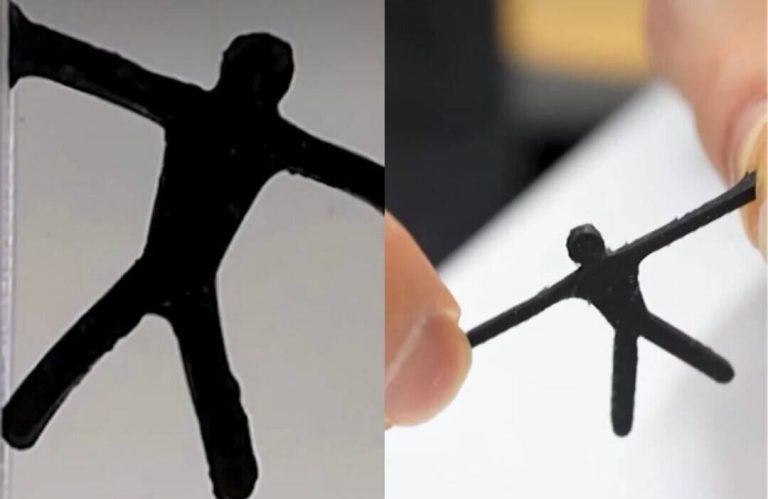
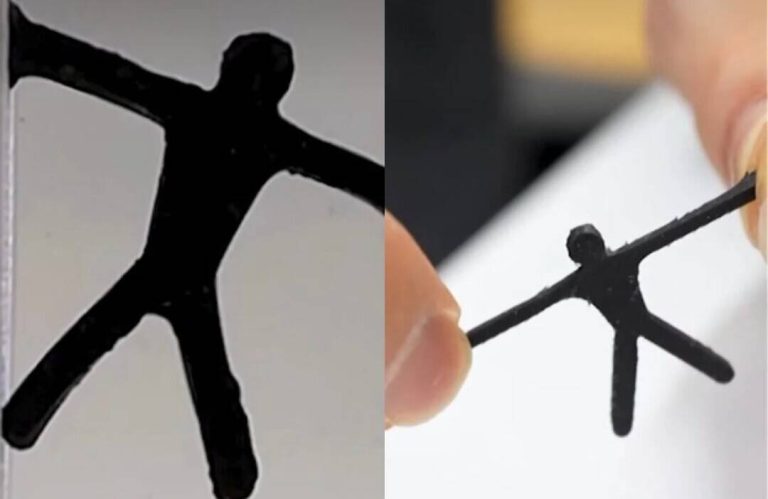
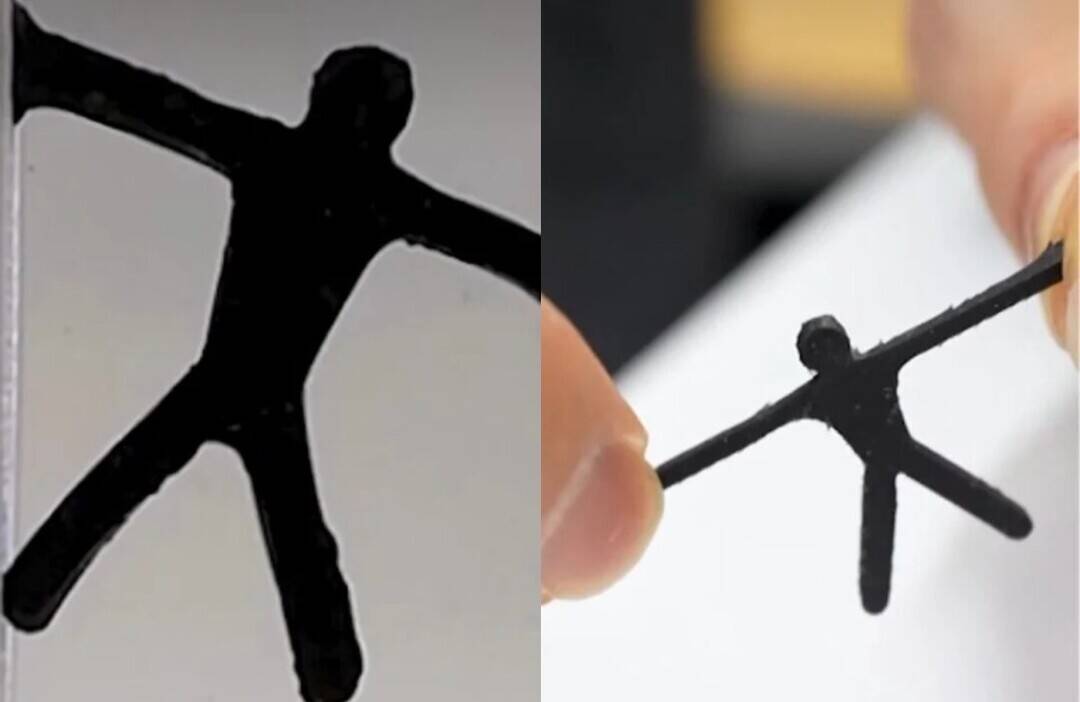
In a groundbreaking achievement, British researchers have developed a soft, jelly-like robot that can move and change shape using external electric fields, without the need for motors or joints. Designed by scientists at the University of Bristol, this innovative robot has the ability to reshape its body to bend, stretch, and move in various directions. According to experts, this technology has the potential to aid exploration in tight, fragile, or hazardous environments, where traditional robots may struggle to operate.
The robot, made from a soft, jelly-like material, is capable of changing its shape and moving in response to external electric fields. This is achieved through the use of electroactive polymers, which are materials that change shape or size when an electric field is applied. By carefully designing the structure and composition of the robot, the researchers were able to create a device that can move and change shape in a controlled and predictable manner.
One of the key advantages of this technology is its ability to operate in tight or fragile environments, where traditional robots may be too bulky or rigid to navigate. The soft, jelly-like material used to construct the robot allows it to squeeze through narrow openings and conform to complex shapes, making it ideal for applications such as search and rescue, environmental monitoring, or medical procedures.
The robot’s ability to change shape and move in response to electric fields also makes it highly adaptable and versatile. For example, it could be used to navigate through tight spaces, such as pipes or tunnels, or to climb up steep surfaces. Additionally, the robot’s soft and flexible nature makes it less likely to cause damage to its surroundings, making it an attractive option for applications where minimal disturbance is required.
The development of this shape-shifting robot is a significant achievement in the field of robotics, and it has the potential to open up new avenues for exploration and discovery. The use of electroactive polymers and soft, jelly-like materials is a new and innovative approach to robotics, and it could lead to the creation of a new generation of robots that are more flexible, adaptable, and resilient.
The researchers at the University of Bristol who developed this technology are excited about the potential applications of their creation. They believe that the robot could be used in a wide range of fields, from environmental monitoring to medical procedures, and that it could help to improve our understanding of the world around us.
In addition to its potential applications, the development of this shape-shifting robot also raises interesting questions about the future of robotics and artificial intelligence. As robots become more advanced and sophisticated, they will be able to interact with their environment in new and innovative ways. The use of soft, jelly-like materials and electroactive polymers is just one example of the many new technologies that are being developed to create more flexible and adaptable robots.
The potential benefits of this technology are numerous, and it could have a significant impact on a wide range of fields. For example, it could be used to create robots that can navigate through tight spaces, such as pipes or tunnels, to inspect or repair infrastructure. It could also be used to create robots that can climb up steep surfaces, such as walls or buildings, to perform tasks such as cleaning or maintenance.
The development of this shape-shifting robot is also a testament to the ingenuity and creativity of the researchers at the University of Bristol. The use of electroactive polymers and soft, jelly-like materials is a new and innovative approach to robotics, and it demonstrates the potential for advanced technologies to be used in creative and innovative ways.
In conclusion, the creation of a shape-shifting jelly robot that moves with electric fields is a significant achievement in the field of robotics. The use of electroactive polymers and soft, jelly-like materials is a new and innovative approach to robotics, and it has the potential to open up new avenues for exploration and discovery. The potential applications of this technology are numerous, and it could have a significant impact on a wide range of fields. As researchers continue to develop and refine this technology, it will be exciting to see the new and innovative ways in which it is used.
About the Author