UK scientists create shape-shifting jelly robot that moves with electric fields
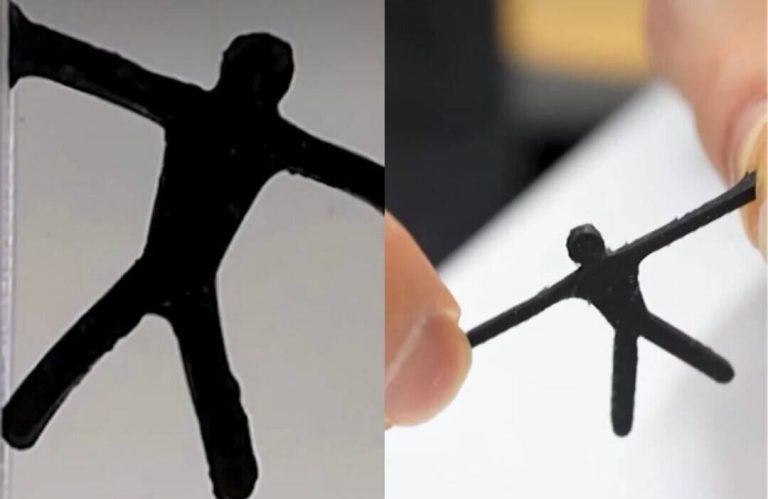
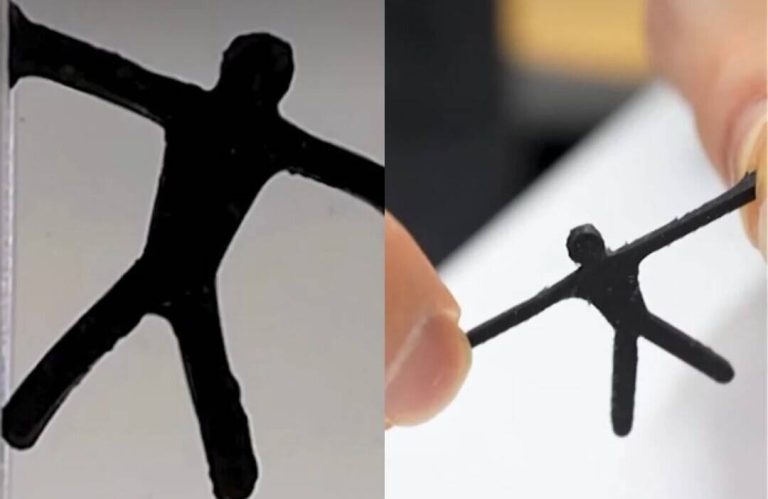
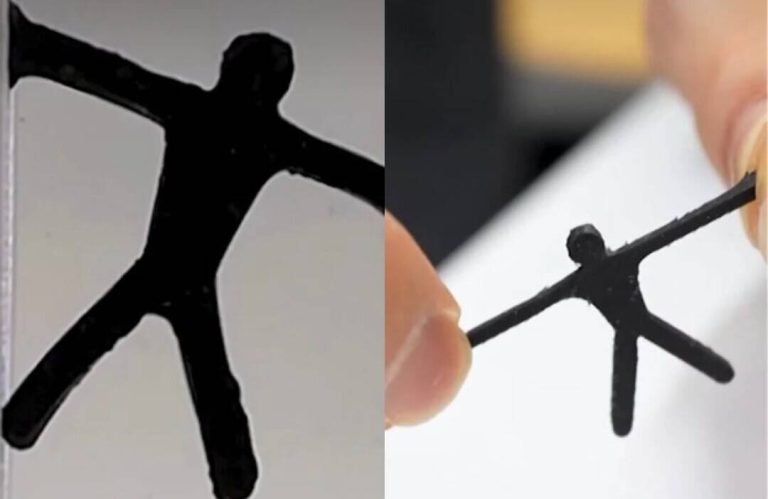
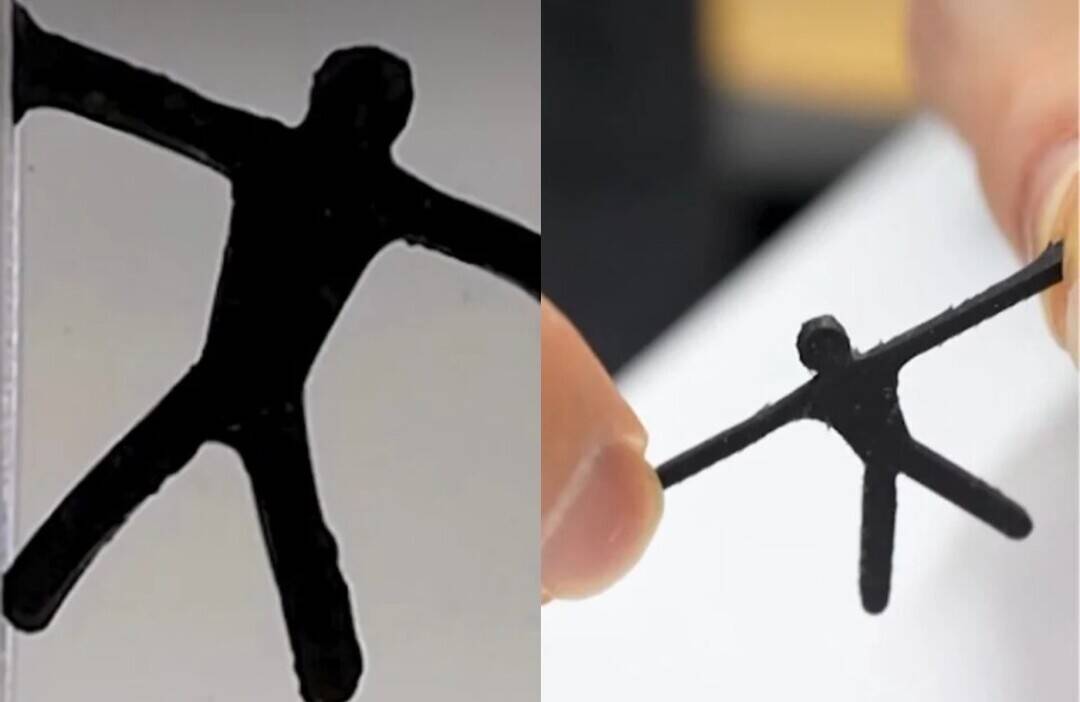
In a groundbreaking achievement, British researchers have successfully developed a soft, jelly-like robot that can move and change shape using external electric fields. This innovative design, created by scientists at the University of Bristol, eliminates the need for traditional motors or joints, allowing the robot to reshape its body and navigate through tight, fragile, or hazardous environments with ease.
The robot, which resembles a jelly-like substance, is made of a unique material that is capable of changing its shape in response to electric fields. By applying an electric field, the robot can bend, stretch, and move in various directions, allowing it to adapt to different situations and environments. This ability to change shape and move without the use of traditional motors or joints makes it an ideal candidate for exploration and navigation in areas that are difficult or impossible for traditional robots to access.
One of the most significant advantages of this shape-shifting robot is its ability to navigate through tight spaces. Traditional robots, with their rigid bodies and joints, often struggle to fit through narrow openings or navigate through dense environments. In contrast, the jelly-like robot can change its shape to fit through small openings, allowing it to explore areas that were previously inaccessible.
The potential applications of this technology are vast and varied. For example, the robot could be used to explore and navigate through rubble or debris-filled environments, such as those found in disaster zones or construction sites. It could also be used to inspect and maintain infrastructure, such as pipes or bridges, in areas that are difficult or impossible for humans to access.
In addition to its potential for exploration and navigation, the shape-shifting robot also has significant implications for the field of robotics as a whole. Traditional robots are often designed with specific tasks in mind, and their rigid bodies and joints can limit their ability to adapt to changing situations. In contrast, the jelly-like robot’s ability to change shape and move in response to electric fields makes it a highly versatile and adaptable device.
The development of this shape-shifting robot is also a significant step forward in the field of soft robotics. Soft robots are designed to be flexible and adaptable, allowing them to interact with and manipulate soft or fragile objects. The jelly-like robot’s ability to change shape and move in response to electric fields makes it an ideal candidate for soft robotics applications, such as grasping and manipulating delicate objects or interacting with soft tissues.
The University of Bristol scientists who designed the robot used a combination of advanced materials and innovative design techniques to create the jelly-like substance. The material is made up of a network of polymer chains that are capable of changing their shape in response to electric fields. By applying an electric field, the polymer chains can be made to contract or expand, allowing the robot to change its shape and move.
The researchers also developed a sophisticated control system that allows the robot to be controlled and manipulated using electric fields. The control system uses a combination of sensors and algorithms to track the robot’s movement and adjust the electric fields accordingly. This allows the robot to be precisely controlled and manipulated, even in complex and dynamic environments.
In conclusion, the development of the shape-shifting jelly robot is a significant achievement that has the potential to revolutionize the field of robotics. Its ability to change shape and move in response to electric fields makes it an ideal candidate for exploration and navigation in tight, fragile, or hazardous environments. With its potential applications in fields such as disaster response, infrastructure inspection, and soft robotics, this innovative technology is sure to have a major impact in the years to come.
About the Author