UK scientists create shape-shifting jelly robot that moves with electric fields
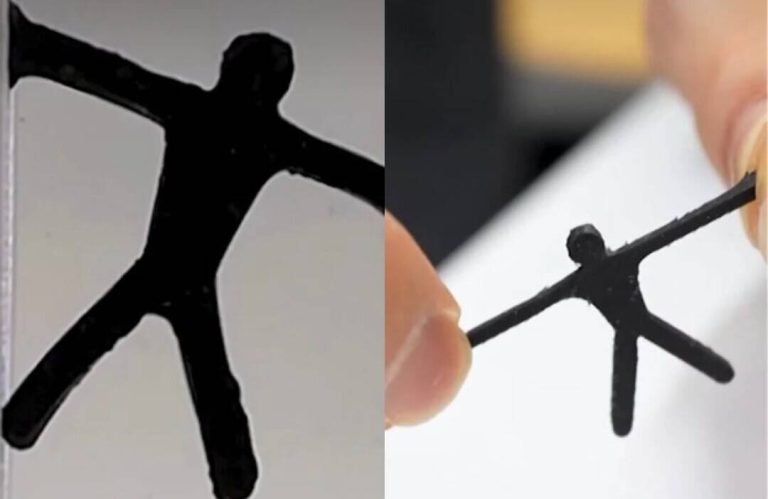
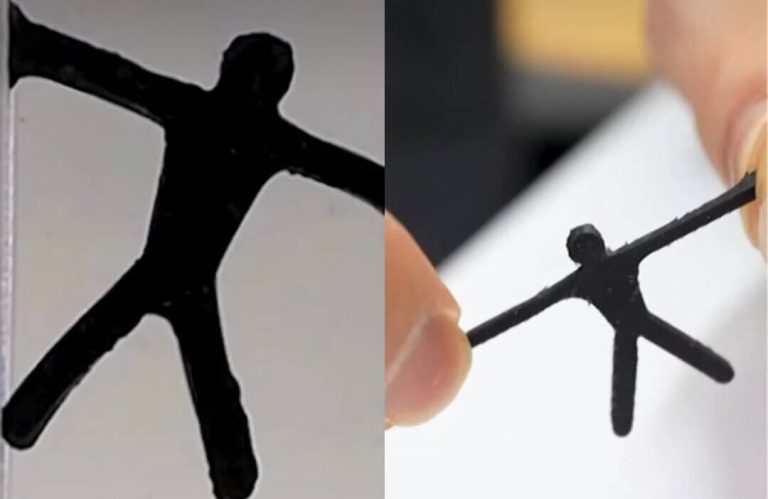
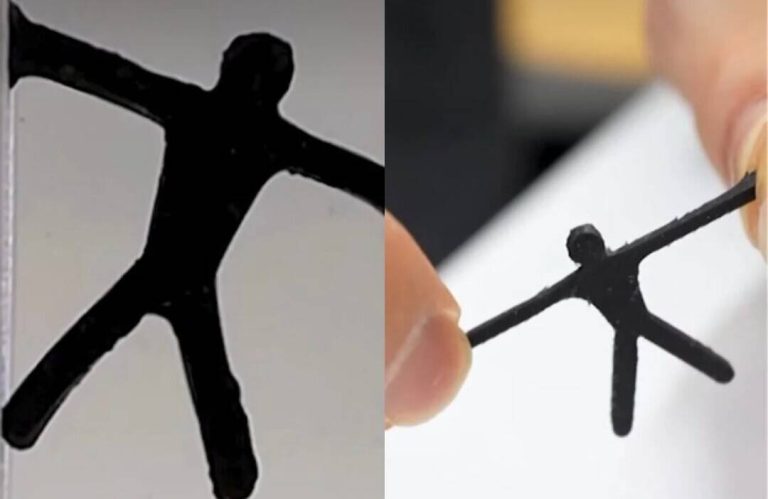
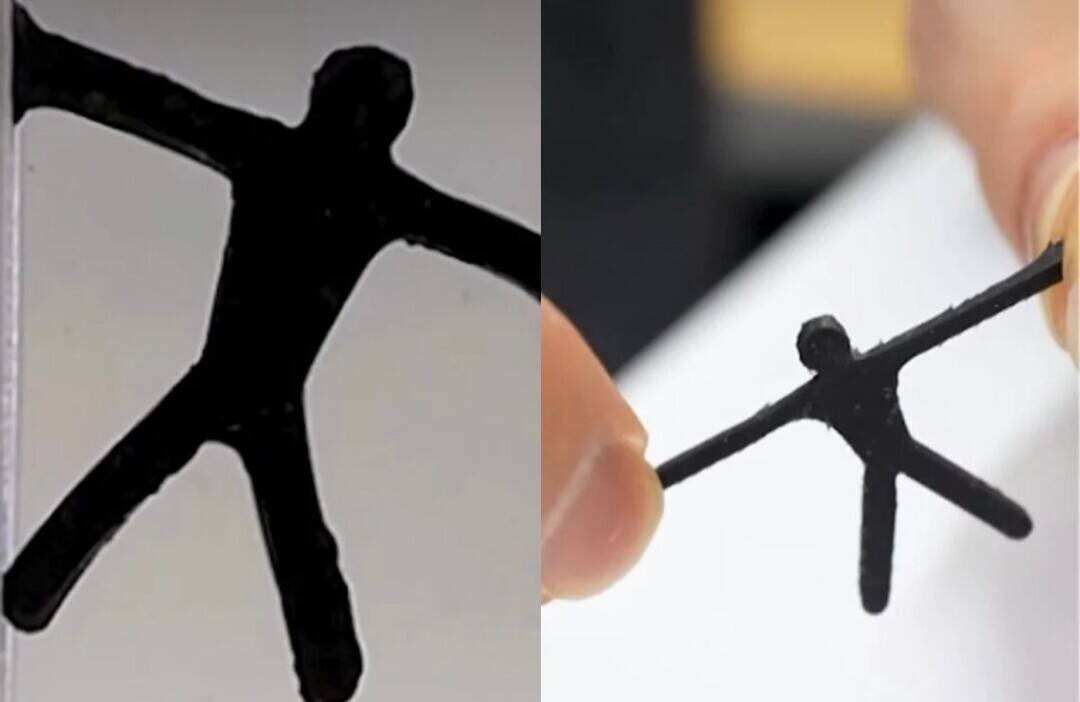
In a groundbreaking development, British researchers have successfully created a soft, jelly-like robot that can move and change shape using external electric fields. This innovative robot, designed by scientists at the University of Bristol, has the ability to reshape its body to bend, stretch, and move without the need for motors or joints. This breakthrough technology has the potential to aid exploration in tight, fragile, or hazardous environments, where traditional robots may struggle to operate.
The robot’s unique design allows it to be incredibly flexible and adaptable, making it an ideal candidate for a variety of applications. By applying an electric field to the robot’s body, the researchers can control its shape and movement, allowing it to navigate through complex spaces with ease. This is achieved through the use of a special type of material that is capable of changing its shape in response to an electric stimulus.
One of the most significant advantages of this robot is its ability to operate in environments where traditional robots may not be able to survive. For example, in search and rescue missions, the robot could be used to navigate through rubble or debris to locate survivors. Its soft and flexible body would allow it to squeeze through tight spaces and avoid causing further damage to the surrounding environment.
The robot’s potential applications extend far beyond search and rescue missions, however. It could also be used in medical settings, such as in surgical procedures or in the exploration of the human body. The robot’s ability to change shape and move through tight spaces could allow it to access areas of the body that are currently difficult or impossible to reach with traditional medical instruments.
The University of Bristol scientists behind the robot’s design are excited about the potential implications of their creation. “We are thrilled to have developed a robot that can move and change shape without the need for motors or joints,” said one of the researchers. “This technology has the potential to revolutionize the way we approach exploration and search and rescue missions, and we are eager to see where it will take us in the future.”
The development of this shape-shifting jelly robot is a testament to the ingenuity and creativity of the researchers involved. By pushing the boundaries of what is possible with robotics, they have created a truly innovative device that has the potential to make a significant impact in a variety of fields.
As the technology continues to evolve, it will be exciting to see the new applications and uses that are developed for this robot. With its unique ability to change shape and move through tight spaces, it is likely to play a major role in the future of exploration and search and rescue missions.
In addition to its practical applications, the robot’s design also raises interesting questions about the potential for future developments in robotics. As scientists continue to push the boundaries of what is possible with robotics, we can expect to see even more innovative and exciting technologies emerge.
For example, the development of robots that can change shape and move through tight spaces could lead to the creation of robots that can adapt to different environments and situations. This could include robots that can change their shape to navigate through different types of terrain, or robots that can adjust their size to fit through small openings.
The possibilities are endless, and it will be exciting to see where this technology takes us in the future. As the world of robotics continues to evolve, we can expect to see even more innovative and exciting developments emerge.
In conclusion, the creation of the shape-shifting jelly robot is a significant breakthrough in the field of robotics. With its ability to change shape and move through tight spaces, it has the potential to aid exploration in tight, fragile, or hazardous environments. As the technology continues to evolve, we can expect to see new and exciting applications emerge, and it will be exciting to see where this technology takes us in the future.
About the Author