UK scientists create shape-shifting jelly robot that moves with electric fields
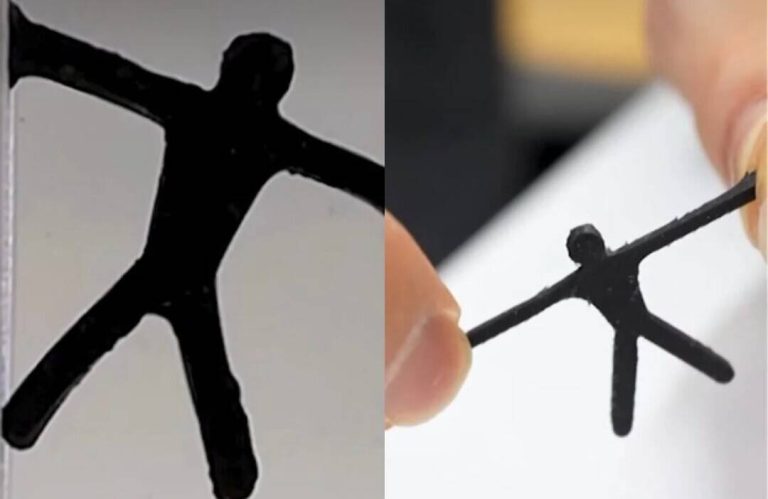
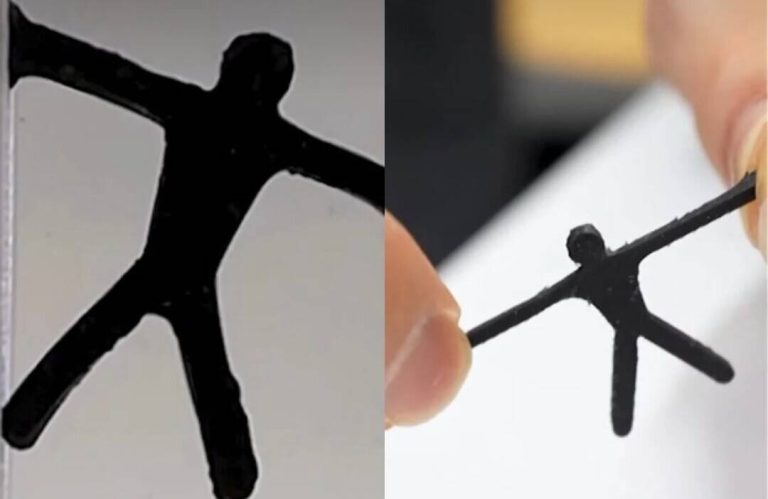
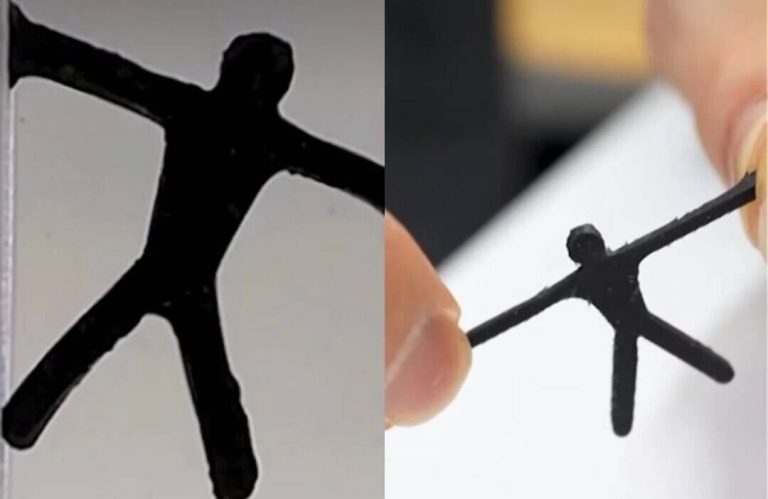
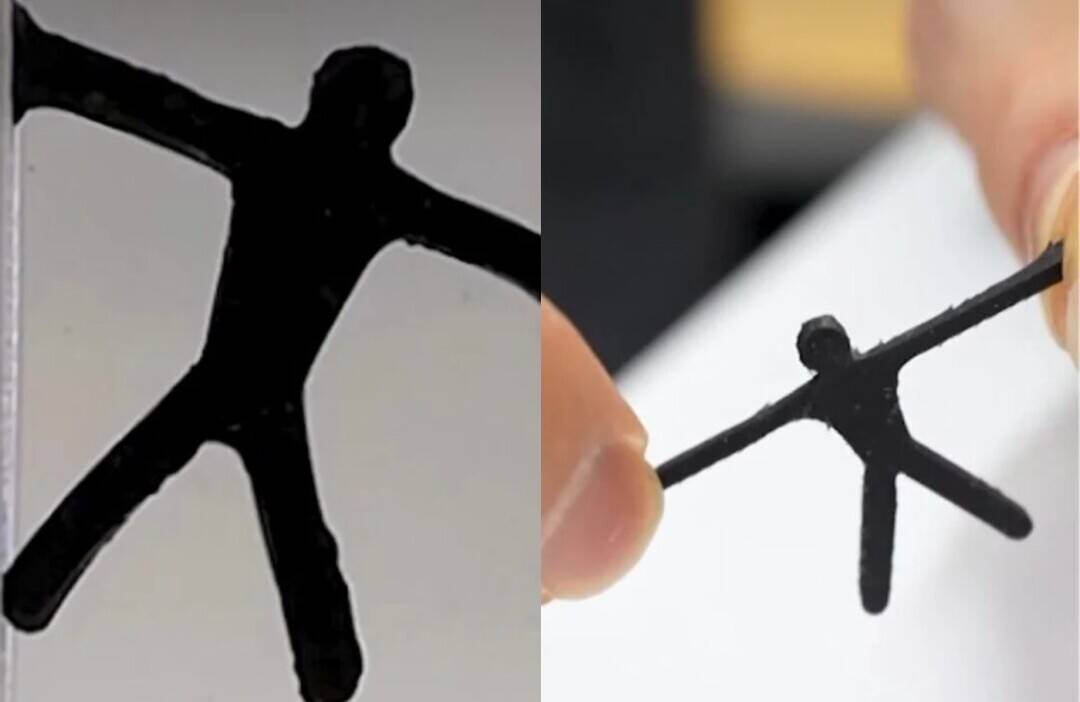
In a groundbreaking achievement, British researchers have developed a soft, jelly-like robot that moves and changes shape using external electric fields, without the need for motors or joints. Designed by University of Bristol scientists, the robot has the ability to reshape its body to bend, stretch, and move, making it an ideal candidate for exploration in tight, fragile, or hazardous environments.
The innovative robot is made of a unique gel-like material that is capable of changing its shape in response to external electric fields. This allows the robot to move and navigate through complex spaces without the need for traditional mechanical components. The researchers behind the project believe that this technology could have a significant impact on various fields, including search and rescue operations, environmental monitoring, and medical procedures.
One of the key advantages of this shape-shifting robot is its ability to fit into tight spaces and navigate through fragile or hazardous environments. Traditional robots are often limited by their rigid design and may not be able to access certain areas, but the jelly-like robot can change its shape to fit through small openings and move through tight spaces. This makes it an ideal candidate for search and rescue operations, where robots need to navigate through rubble or debris to locate survivors.
The robot’s ability to change its shape also allows it to interact with its environment in a unique way. For example, it can use its flexible body to push or pull objects, or to change its shape to adapt to different surfaces. This could be particularly useful in environmental monitoring applications, where robots need to navigate through complex terrain to collect data or samples.
The University of Bristol scientists who designed the robot used a combination of materials and technologies to create its unique gel-like body. The robot is made of a soft, flexible material that is capable of changing its shape in response to electric fields. The researchers used a technique called electroactive polymerization to create the material, which involves using electric fields to stimulate the growth of polymer chains.
The robot’s movement is controlled by an external electric field, which is used to stimulate the polymer chains and cause the material to change its shape. The researchers can control the shape and movement of the robot by adjusting the strength and direction of the electric field. This allows them to precisely control the robot’s movements and navigate it through complex spaces.
The development of this shape-shifting robot is a significant achievement in the field of robotics, and it has the potential to revolutionize the way we approach exploration and interaction in complex environments. The researchers behind the project believe that this technology could have a wide range of applications, from search and rescue operations to environmental monitoring and medical procedures.
In addition to its potential applications, the shape-shifting robot also raises interesting questions about the future of robotics and artificial intelligence. As robots become more advanced and capable of interacting with their environment in complex ways, we may see a shift towards more soft and flexible designs. This could lead to a new generation of robots that are capable of navigating and interacting with their environment in a more human-like way.
The University of Bristol scientists who designed the robot are excited about the potential of this technology and are already exploring new applications and developments. They believe that this shape-shifting robot could be the first step towards a new generation of robots that are capable of interacting with their environment in a more flexible and adaptive way.
In conclusion, the development of the shape-shifting jelly robot is a significant achievement in the field of robotics, and it has the potential to revolutionize the way we approach exploration and interaction in complex environments. With its unique gel-like body and ability to change its shape in response to electric fields, this robot is capable of navigating and interacting with its environment in a way that is not possible with traditional robots. As researchers continue to develop and refine this technology, we may see a new generation of robots that are capable of navigating and interacting with their environment in a more human-like way.
About the Author