UK scientists create shape-shifting jelly robot that moves with electric fields
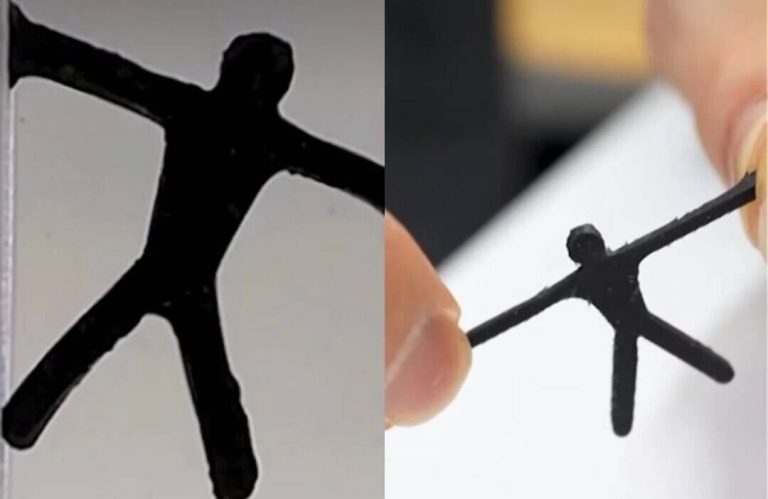
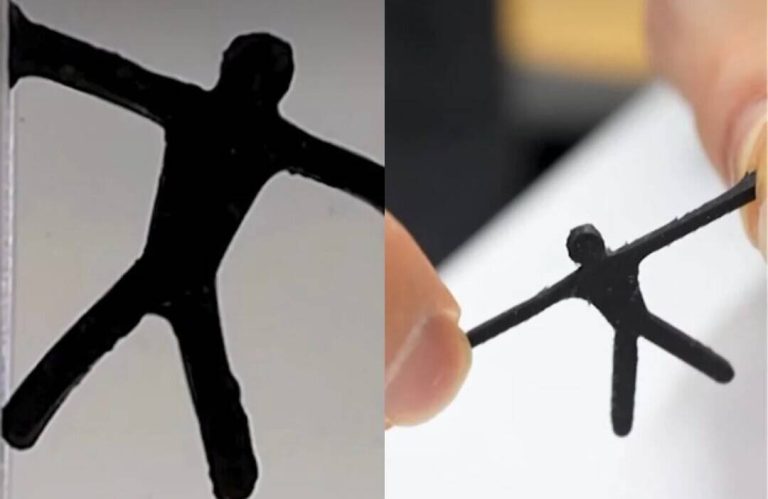
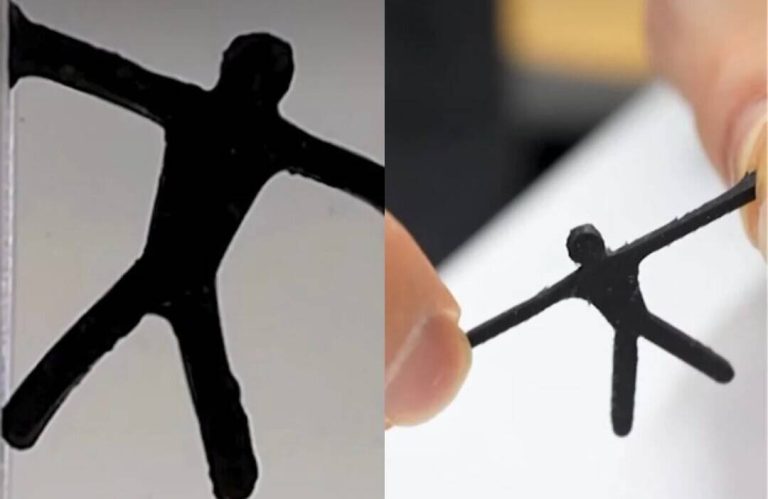
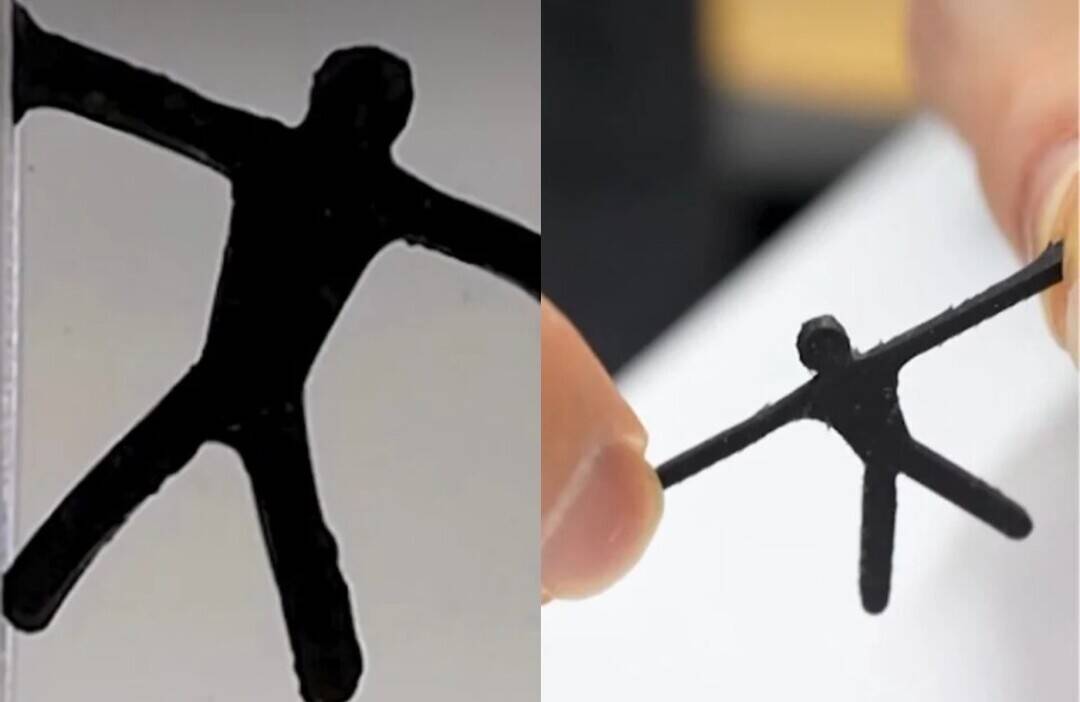
In a groundbreaking achievement, British researchers have developed a soft, jelly-like robot that can move and change shape using external electric fields, without the need for motors or joints. Designed by scientists at the University of Bristol, this innovative robot has the ability to reshape its body to bend, stretch, and move around, opening up new possibilities for exploration in tight, fragile, or hazardous environments.
The concept of a shape-shifting robot is not new, but the approach taken by the University of Bristol team is unique. Traditional robots are typically made of rigid materials and rely on motors and joints to move around. However, these robots are often limited in their ability to navigate through tight spaces or fragile environments, where their rigid bodies and mechanical movements can cause damage.
The new jelly-like robot, on the other hand, is made of a soft, flexible material that can change shape in response to external electric fields. This allows the robot to move and deform in a way that is similar to living organisms, such as worms or octopuses. The robot’s body is composed of a hydrogel, a type of polymer that can absorb and retain water, giving it a soft and flexible texture.
To move the robot, the researchers apply an electric field to the hydrogel, causing it to change shape and deform. The electric field induces an electric charge in the hydrogel, which then interacts with the surrounding environment, allowing the robot to move and change shape. This process is similar to the way in which some living organisms, such as muscles, respond to electrical stimuli.
One of the most significant advantages of this new robot is its ability to navigate through tight spaces and fragile environments. The robot’s soft and flexible body allows it to squeeze through narrow openings and move around delicate objects without causing damage. This makes it an ideal candidate for applications such as search and rescue missions, where traditional robots may be too large or rigid to navigate through rubble or debris.
Another potential application of this technology is in the field of environmental monitoring. The robot’s ability to change shape and move through tight spaces makes it well-suited for monitoring hard-to-reach areas, such as pipes or ductwork. The robot could be used to detect leaks or other hazards, and its soft body would allow it to navigate through tight spaces without causing damage.
The development of this shape-shifting robot is also significant because it could lead to the creation of new types of robots that are more similar to living organisms. The use of soft, flexible materials and electric fields to move and change shape is a more biomimetic approach to robotics, and it could lead to the development of robots that are more adaptable and resilient.
The University of Bristol team is already exploring new applications for this technology, including the use of the robot for medical procedures. The robot’s soft and flexible body makes it an ideal candidate for minimally invasive surgeries, where traditional robots may be too large or rigid to navigate through delicate tissues.
In conclusion, the development of a shape-shifting jelly robot that moves with electric fields is a significant achievement that could lead to new possibilities for exploration and discovery. The robot’s soft and flexible body, combined with its ability to change shape and move in response to external electric fields, makes it an ideal candidate for applications such as search and rescue missions, environmental monitoring, and medical procedures. As researchers continue to explore new applications for this technology, it is likely that we will see the development of even more innovative and biomimetic robots in the future.
About the Author