UK scientists create shape-shifting jelly robot that moves with electric fields
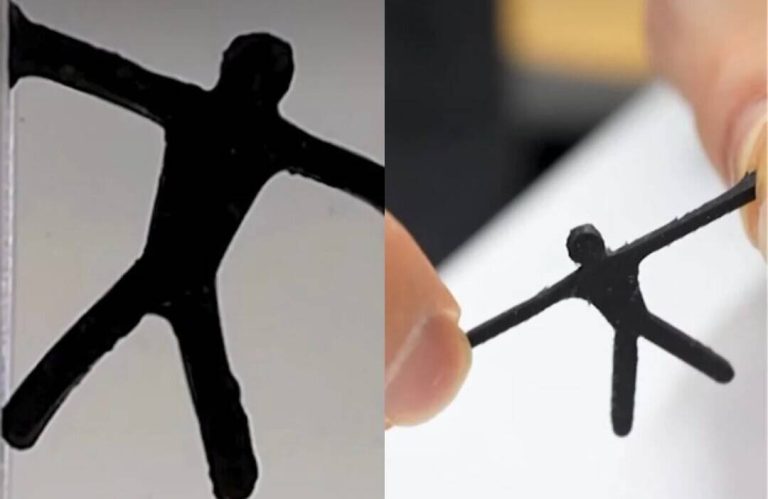
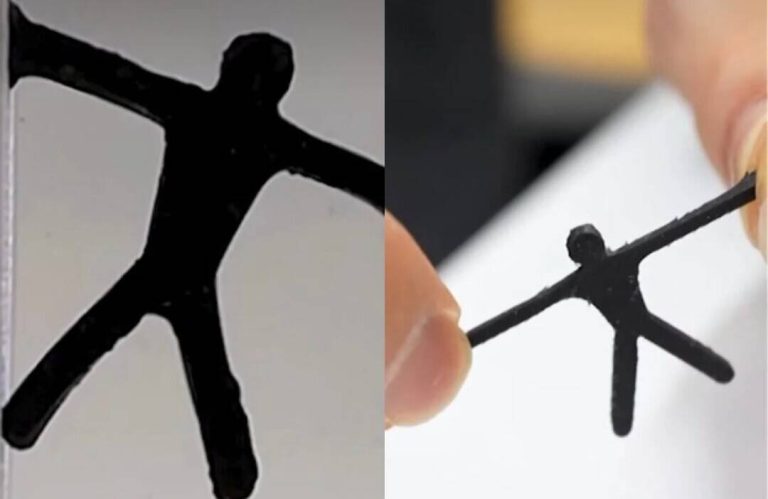
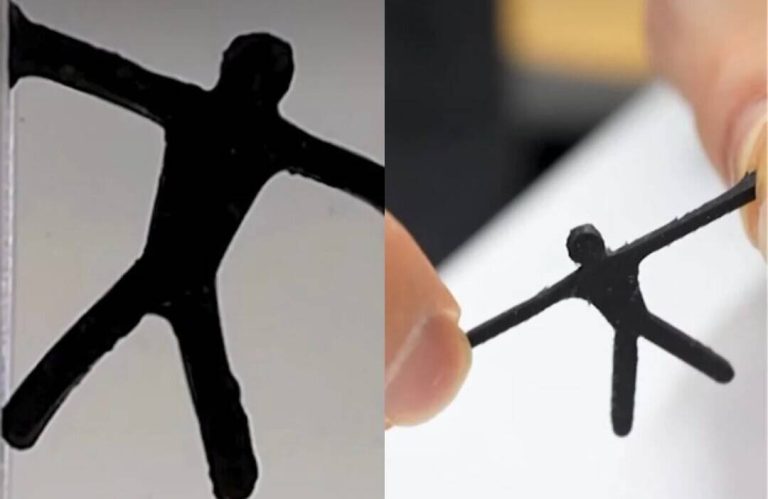
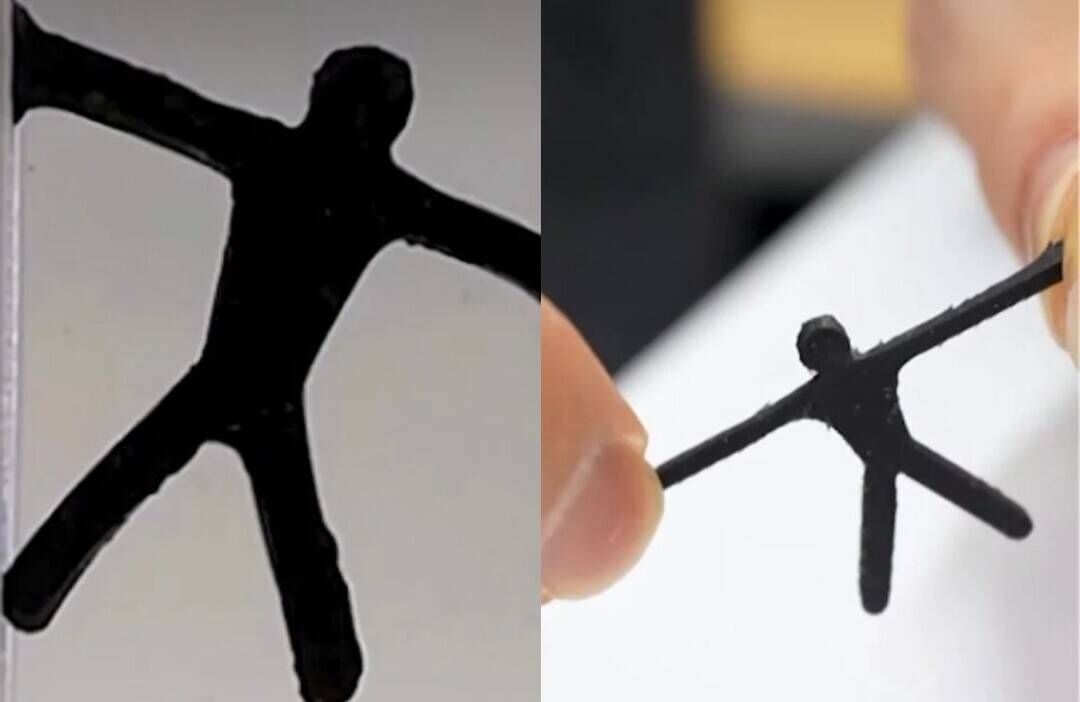
In a groundbreaking achievement, a team of scientists from the University of Bristol in the UK has successfully developed a soft, jelly-like robot that can move and change shape using external electric fields. This innovative robot, designed without motors or joints, has the ability to reshape its body to bend, stretch, and move, making it an ideal candidate for exploration in tight, fragile, or hazardous environments.
The concept of a shape-shifting robot may seem like something out of a science fiction movie, but the reality is that this technology has the potential to revolutionize the way we approach exploration and navigation in complex environments. The robot’s ability to change its shape and move without the use of traditional motors or joints makes it an attractive option for applications where flexibility and adaptability are crucial.
The University of Bristol scientists behind this innovation have designed the robot using a special type of material that is capable of responding to electric fields. When an electric field is applied to the robot, it causes the material to change shape, allowing the robot to move and bend in different directions. This technology is known as electroactive polymers (EAPs), which are materials that can change shape or size when stimulated by an electric field.
One of the most significant advantages of this shape-shifting robot is its ability to navigate through tight spaces and fragile environments without causing damage. Traditional robots, with their rigid bodies and joints, can often be too bulky or inflexible to navigate through narrow passages or delicate ecosystems. The jelly-like robot, on the other hand, can squeeze through tight spaces and change its shape to avoid obstacles, making it an ideal candidate for search and rescue missions, environmental monitoring, or even space exploration.
The potential applications of this technology are vast and varied. For example, the robot could be used to explore tight spaces in buildings or bridges, allowing engineers to inspect for damage or structural integrity without having to physically enter the space. It could also be used to monitor environmental conditions in fragile ecosystems, such as coral reefs or rainforests, without disrupting the natural habitat.
Another significant advantage of this robot is its potential for use in hazardous environments. Traditional robots can often be damaged or destroyed by extreme temperatures, toxic chemicals, or other hazardous conditions. The shape-shifting robot, on the other hand, is made of a soft, flexible material that can withstand a wide range of environmental conditions, making it an ideal candidate for applications in nuclear power plants, chemical factories, or other high-risk environments.
The development of this shape-shifting robot is a significant breakthrough in the field of robotics and has the potential to revolutionize the way we approach exploration and navigation in complex environments. The University of Bristol scientists behind this innovation are to be commended for their creativity and ingenuity in designing a robot that can move and change shape using external electric fields.
As research and development continue to advance in this field, we can expect to see even more innovative applications of this technology. From search and rescue missions to environmental monitoring and space exploration, the possibilities are endless. The shape-shifting robot is a testament to the power of human ingenuity and the potential for technology to improve our lives and our world.
In conclusion, the UK scientists’ creation of a shape-shifting jelly robot that moves with electric fields is a groundbreaking achievement that has the potential to revolutionize the way we approach exploration and navigation in complex environments. With its ability to change shape and move without the use of traditional motors or joints, this robot is an ideal candidate for applications in tight, fragile, or hazardous environments. As research and development continue to advance in this field, we can expect to see even more innovative applications of this technology.
About the Author