UK scientists create shape-shifting jelly robot that moves with electric fields
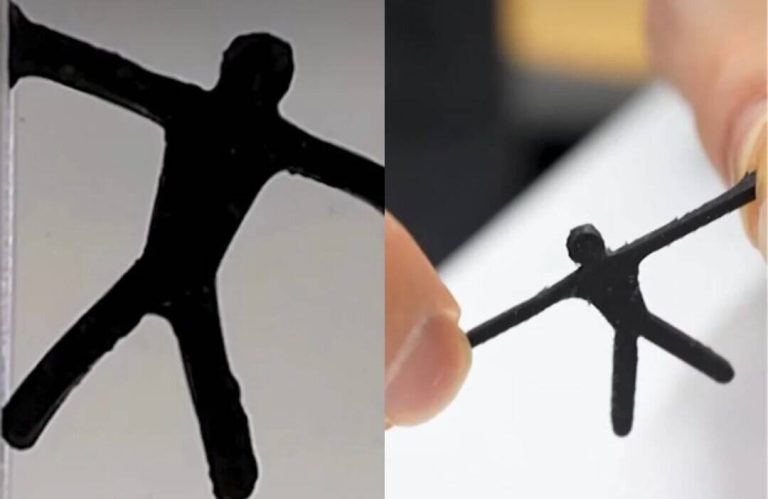
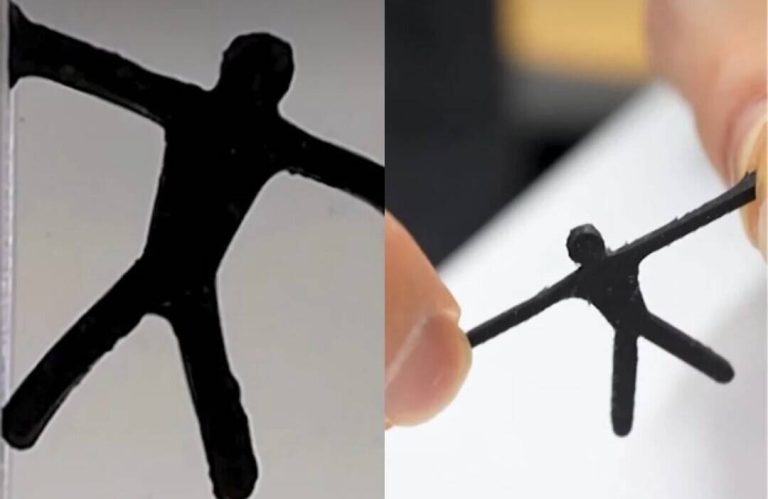
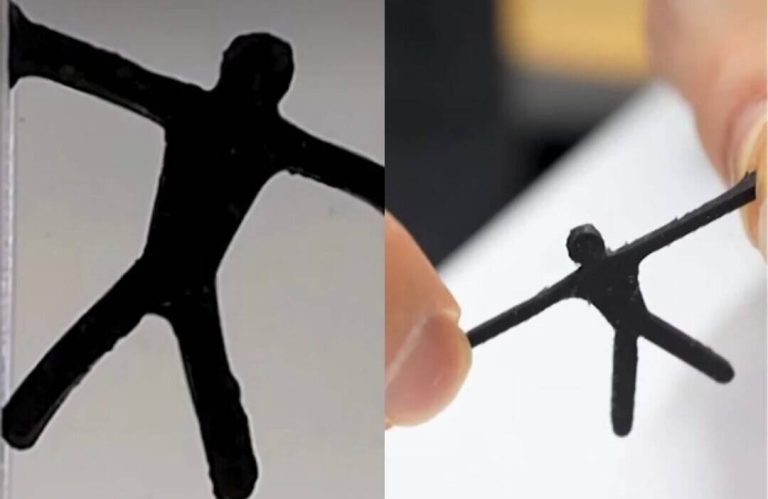
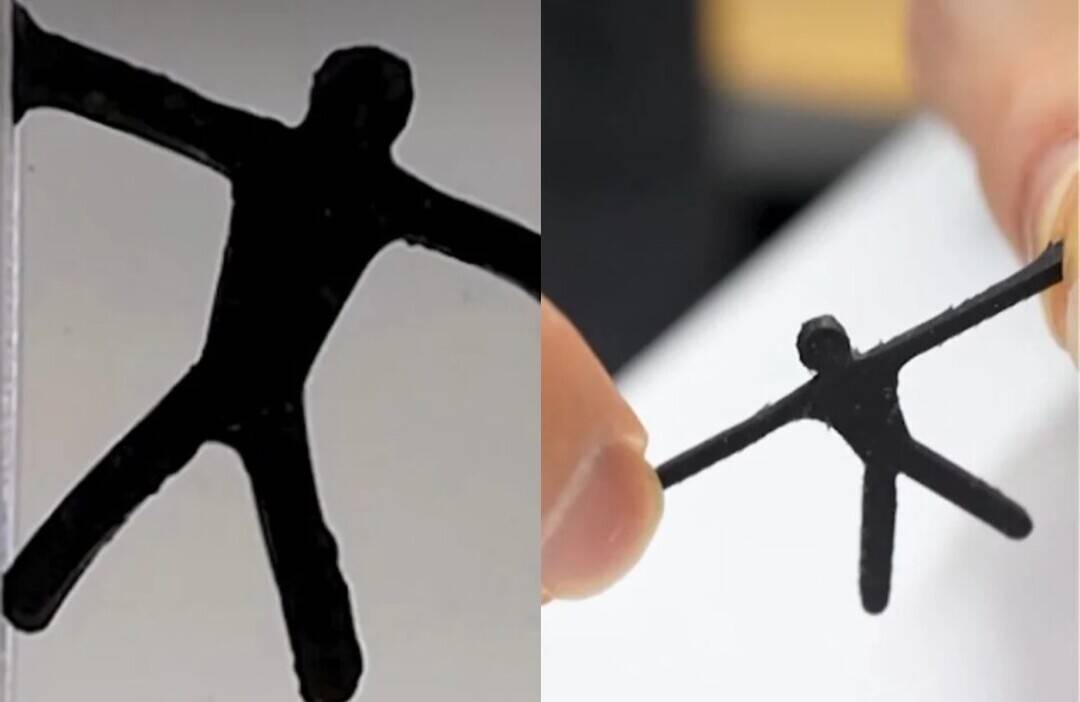
In a groundbreaking achievement, British researchers have developed a soft, jelly-like robot that moves and changes shape using external electric fields, without the need for motors or joints. Designed by University of Bristol scientists, the robot has the ability to reshape its body to bend, stretch, and move, making it an ideal candidate for exploration in tight, fragile, or hazardous environments.
The robot, which is made of a soft, gelatinous material, is able to move and change shape in response to external electric fields. This is achieved through the use of a special type of material that is capable of changing its shape in response to electrical stimuli. The material, which is known as an electroactive polymer, is able to expand and contract in response to changes in the electric field, allowing the robot to move and change shape.
One of the most significant advantages of this new type of robot is its ability to move and operate in tight, fragile, or hazardous environments. Traditional robots, which are typically made of rigid materials and rely on motors and joints to move, can be bulky and inflexible, making them unsuitable for use in certain environments. In contrast, the new jelly-like robot is soft and flexible, allowing it to navigate through tight spaces and operate in environments that would be difficult or impossible for traditional robots to access.
The potential applications of this new technology are vast and varied. For example, the robot could be used to explore and navigate through tight spaces, such as pipes or tunnels, or to operate in hazardous environments, such as nuclear power plants or chemical factories. It could also be used in medical applications, such as navigating through the bloodstream or operating on delicate tissues.
The development of this new type of robot is a significant achievement, and it has the potential to revolutionize the field of robotics. The use of soft, flexible materials and external electric fields to move and operate the robot is a major departure from traditional robotics, and it opens up new possibilities for the design and development of robots.
The University of Bristol scientists who designed the robot are excited about the potential applications of their new technology. “We are thrilled to have developed a robot that can move and change shape using external electric fields,” said one of the researchers. “This technology has the potential to revolutionize the field of robotics, and we are eager to explore its many potential applications.”
The development of this new type of robot is also a testament to the ingenuity and creativity of British researchers. The UK has a long history of innovation and technological advancement, and this latest achievement is a proud addition to that tradition.
In conclusion, the creation of a shape-shifting jelly robot that moves with electric fields is a significant achievement that has the potential to revolutionize the field of robotics. The use of soft, flexible materials and external electric fields to move and operate the robot is a major departure from traditional robotics, and it opens up new possibilities for the design and development of robots. With its potential applications in exploration, medical, and hazardous environments, this new technology is sure to have a major impact in the years to come.
About the Author