UK Scientists Create Shape-Shifting Jelly Robot that Moves with Electric Fields
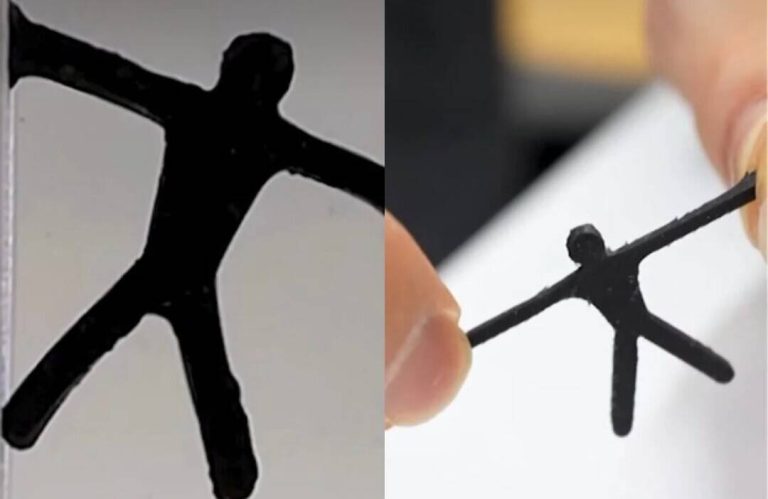
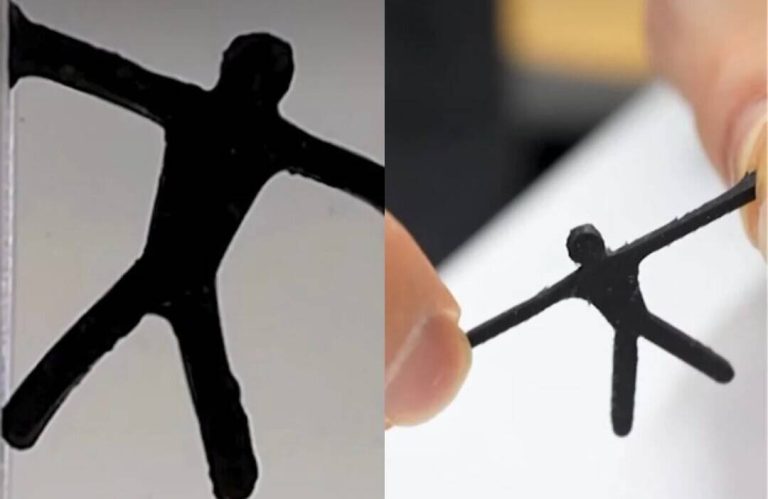
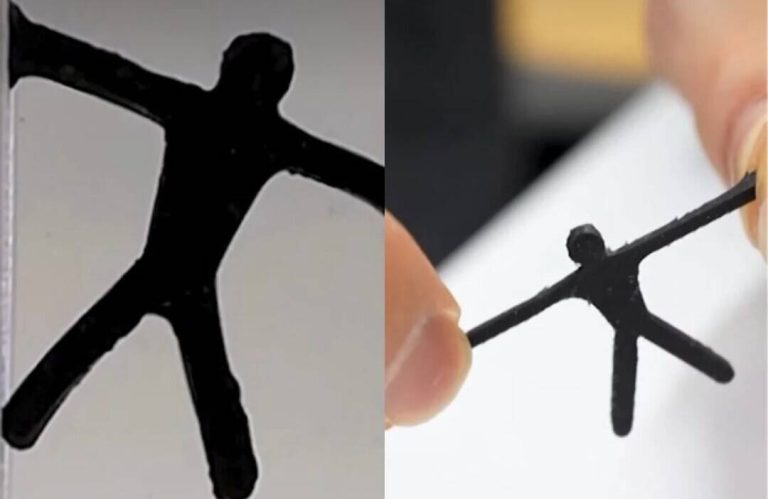
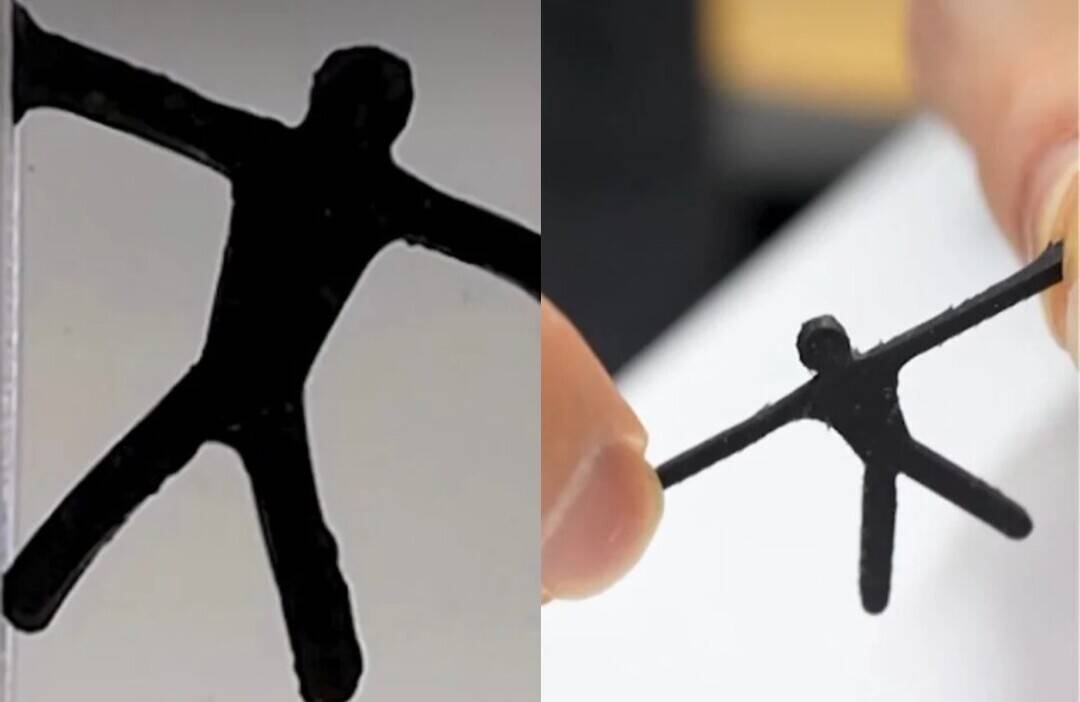
In a groundbreaking achievement, British researchers have successfully developed a soft, jelly-like robot that can move and change shape using external electric fields. This innovative creation, designed by scientists at the University of Bristol, has the ability to reshape its body to bend, stretch, and move without the need for motors or joints. The potential applications of this technology are vast, and experts believe it could aid exploration in tight, fragile, or hazardous environments.
The robot, which has been described as a “shape-shifting” device, is made of a soft, flexible material that can be controlled using electric fields. By applying an electric field to the robot, it can change its shape and move in a desired direction. This is achieved through the use of electroactive polymers, which are materials that can change their shape or size when an electric field is applied.
One of the most significant advantages of this technology is its ability to navigate through tight spaces and fragile environments without causing damage. Traditional robots, which are often rigid and bulky, can be limited in their ability to access certain areas. The soft, jelly-like robot, on the other hand, can squeeze through narrow openings and move through delicate environments without causing harm.
The potential applications of this technology are vast and varied. For example, it could be used to explore disaster zones, such as earthquake-damaged buildings, where traditional robots may not be able to access. It could also be used in medical settings, such as in surgical procedures, where a soft and flexible robot could be used to navigate through the body and perform delicate tasks.
The development of this technology is also significant because it does not require the use of motors or joints, which are often the components that fail in traditional robots. By using electric fields to control the robot’s movement, the researchers have created a device that is more reliable and less prone to failure.
The University of Bristol scientists who developed the robot have published their findings in a prestigious scientific journal, and the technology has already generated significant interest in the scientific community. The researchers believe that their creation has the potential to revolutionize the field of robotics and enable the development of new types of robots that can interact with and adapt to their environment in new and innovative ways.
In addition to its potential applications, the shape-shifting jelly robot is also significant because of its unique design. The robot’s soft, flexible body is made up of a series of electroactive polymer segments that can be controlled independently. By applying an electric field to each segment, the researchers can create complex movements and shapes, allowing the robot to bend, stretch, and move in a variety of ways.
The development of this technology is a testament to the ingenuity and creativity of the researchers involved. By thinking outside the box and exploring new materials and technologies, they have created a device that has the potential to transform the field of robotics and enable new types of exploration and discovery.
In conclusion, the creation of the shape-shifting jelly robot is a significant achievement that has the potential to revolutionize the field of robotics. With its ability to move and change shape using external electric fields, this device could aid exploration in tight, fragile, or hazardous environments and enable new types of interaction and adaptation. As researchers continue to develop and refine this technology, it will be exciting to see the potential applications and innovations that emerge.
About the Author