UK scientists create shape-shifting jelly robot that moves with electric fields
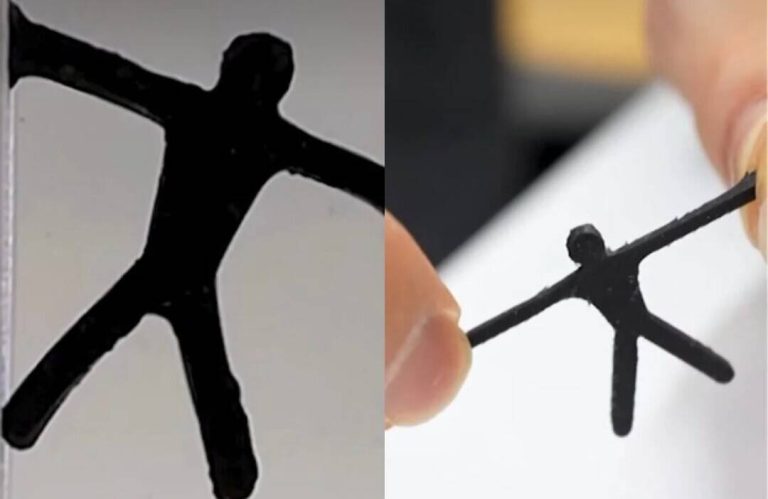
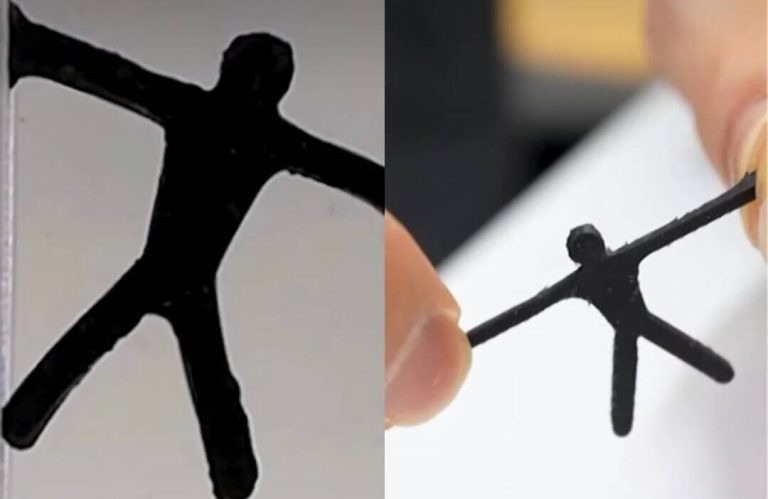
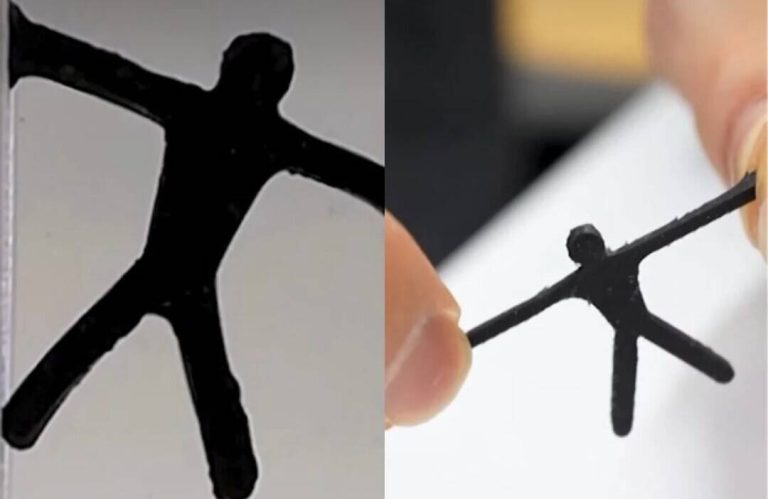
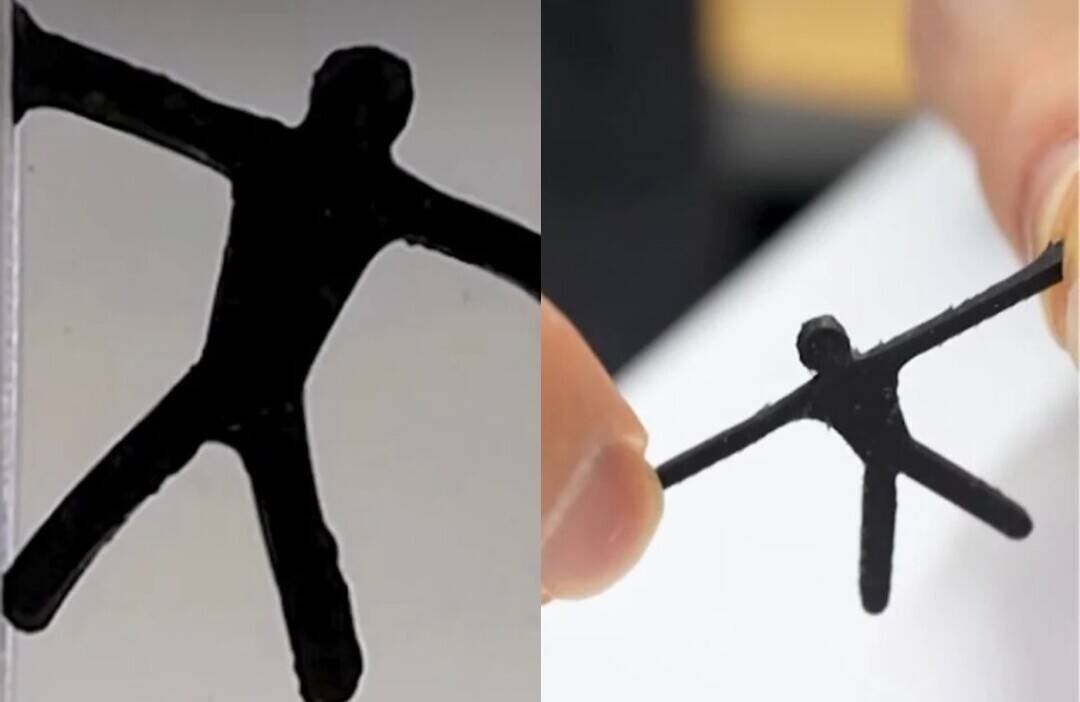
In a groundbreaking development, British researchers have successfully created a soft, jelly-like robot that can move and change shape using external electric fields. This innovative robot, designed by scientists at the University of Bristol, has the ability to reshape its body to bend, stretch, and move without the need for motors or joints. This remarkable technology has the potential to aid exploration in tight, fragile, or hazardous environments, where traditional robots may struggle to operate.
The concept of a shape-shifting robot may seem like something out of a science fiction movie, but the reality is that this technology is now a tangible possibility. The University of Bristol team has developed a robot that uses electric fields to manipulate its shape and movement. This is achieved through the use of a soft, gel-like material that is capable of changing its shape in response to electric stimuli.
The robot’s ability to change shape and move without the need for traditional motors or joints makes it ideal for operating in environments that are difficult for traditional robots to access. For example, the robot could be used to explore tight spaces, such as pipeline systems or search for survivors in rubble-strewn areas. The robot’s soft and flexible body also makes it less likely to cause damage to fragile or sensitive environments, such as archaeological sites or delicate ecosystems.
One of the most significant advantages of this technology is its potential to operate in hazardous environments. Traditional robots often rely on motors and joints, which can be prone to failure in extreme conditions, such as high temperatures or radioactive environments. The shape-shifting jelly robot, on the other hand, can operate in these environments without the risk of mechanical failure.
The development of this technology has significant implications for a range of fields, including search and rescue, environmental monitoring, and medical research. For example, the robot could be used to search for survivors in disaster zones, monitor water quality in remote or hard-to-reach areas, or even assist in medical procedures, such as minimally invasive surgery.
The University of Bristol team has released a video demonstrating the robot’s capabilities, which shows the robot moving and changing shape in response to electric fields. The video is a remarkable showcase of the technology’s potential and highlights the significant advancements that have been made in the field of soft robotics.
The development of this shape-shifting jelly robot is a testament to the innovative spirit of British researchers and the University of Bristol’s commitment to advancing robotics technology. As the field of soft robotics continues to evolve, it is likely that we will see even more exciting developments in the future.
In conclusion, the creation of a shape-shifting jelly robot that moves with electric fields is a groundbreaking achievement that has the potential to revolutionize the field of robotics. With its ability to operate in tight, fragile, or hazardous environments, this technology has significant implications for a range of fields, including search and rescue, environmental monitoring, and medical research. As researchers continue to advance this technology, it is likely that we will see even more exciting developments in the future.
About the Author