UK scientists create shape-shifting jelly robot that moves with electric fields
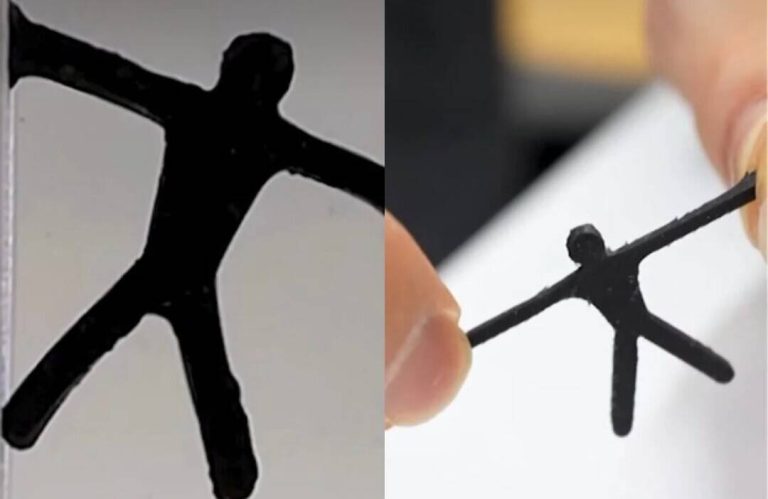
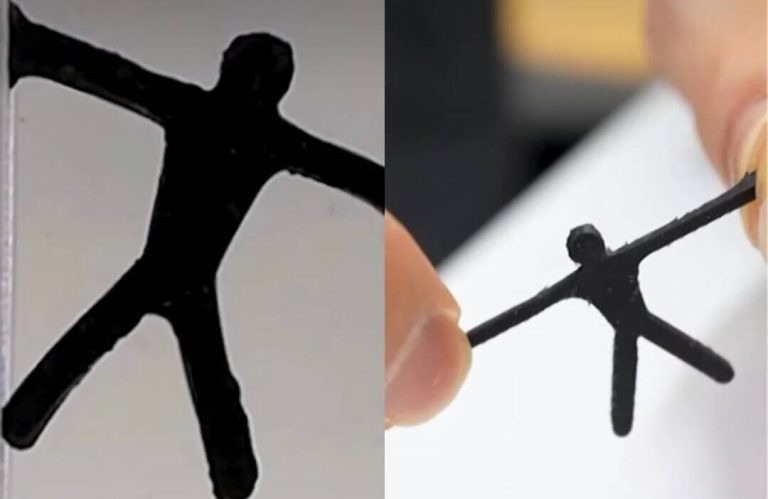
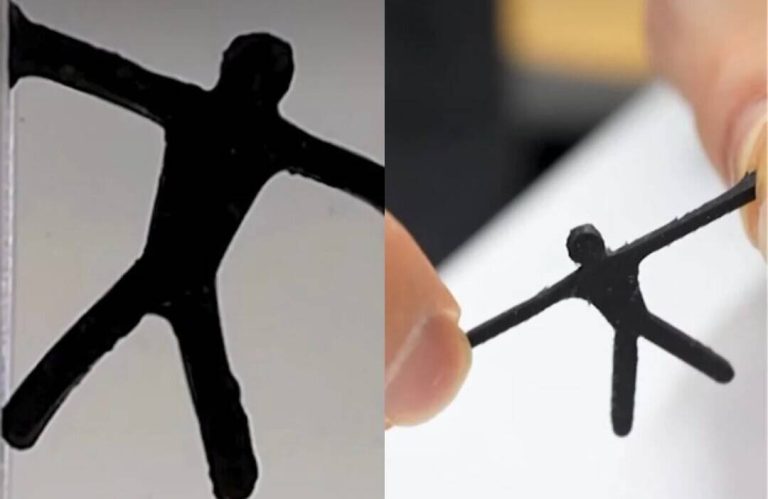
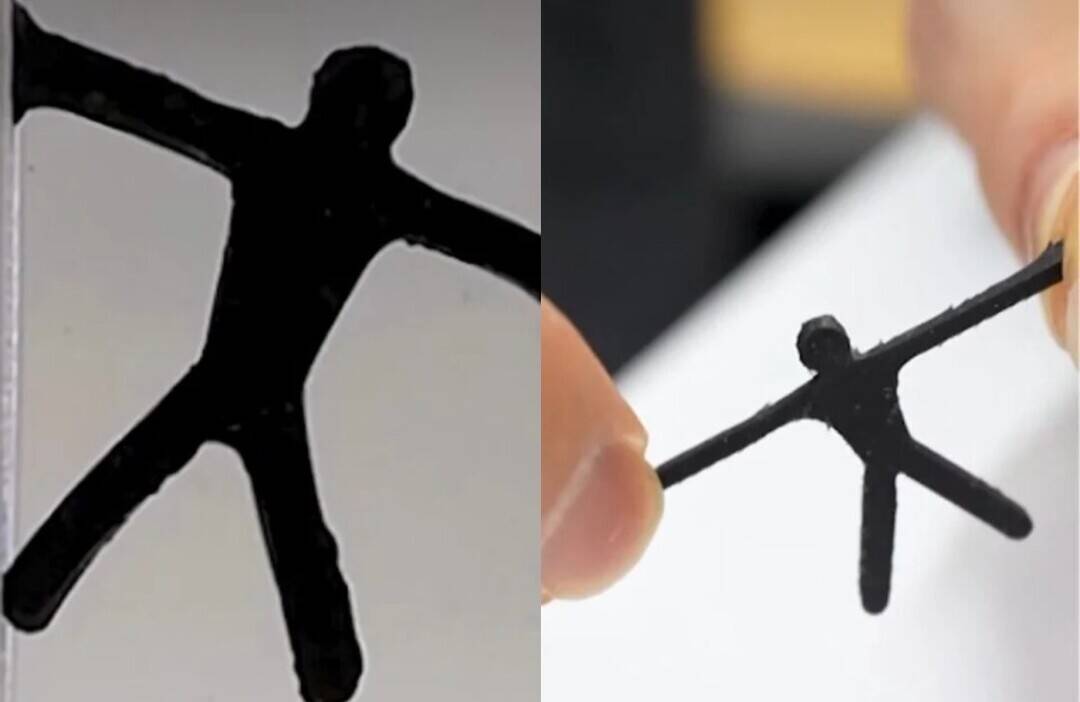
In a groundbreaking achievement, British researchers have developed a soft, jelly-like robot that can move and change shape using external electric fields, without the need for motors or joints. Designed by scientists at the University of Bristol, this innovative robot has the ability to reshape its body to bend, stretch, and move in various directions. According to experts, this technology could potentially aid in exploration and navigation in tight, fragile, or hazardous environments, where traditional robots may struggle to operate.
The robot, which is made of a soft, gel-like material, is able to change its shape and move around using a process called electroactive polymer (EAP) actuation. This involves applying an electric field to the robot’s body, which causes it to deform and move in a specific direction. The robot’s shape and movement can be controlled by adjusting the strength and direction of the electric field, allowing it to be precisely manipulated and guided.
One of the most significant advantages of this technology is its potential for use in delicate or hard-to-reach environments. Traditional robots often rely on rigid structures and motors to move around, which can be bulky and prone to damage. In contrast, the soft, jelly-like robot is able to navigate through tight spaces and withstand rough handling without sustaining damage. This makes it an ideal candidate for applications such as search and rescue missions, environmental monitoring, and medical procedures.
The University of Bristol scientists behind the project have demonstrated the robot’s capabilities in a series of experiments, showcasing its ability to bend, stretch, and move around in response to different electric fields. The robot’s movements are surprisingly precise and controlled, allowing it to navigate through complex environments with ease.
The development of this shape-shifting robot has significant implications for the field of robotics and beyond. For example, it could be used to explore and map out disaster zones, such as earthquake-damaged buildings or flood-stricken areas, where traditional robots may struggle to operate. It could also be used in medical applications, such as navigating through the body to deliver drugs or perform surgery.
In addition to its practical applications, the shape-shifting robot also has the potential to inspire new areas of research and development. The use of electroactive polymers and soft robotics could lead to the creation of new types of robots that are more flexible, adaptable, and resilient than traditional machines. This could, in turn, lead to breakthroughs in fields such as artificial intelligence, materials science, and biomechanics.
The University of Bristol scientists are continuing to refine and develop their shape-shifting robot, with plans to explore its potential applications in a range of fields. As the technology continues to evolve, it is likely that we will see new and innovative uses for this soft, jelly-like robot, from environmental monitoring to medical procedures.
In conclusion, the development of the shape-shifting jelly robot is a significant achievement that has the potential to revolutionize the field of robotics and beyond. With its ability to move and change shape using external electric fields, this robot is poised to aid in exploration and navigation in tight, fragile, or hazardous environments. As researchers continue to refine and develop this technology, we can expect to see new and innovative applications emerge, from search and rescue missions to medical procedures.
About the Author