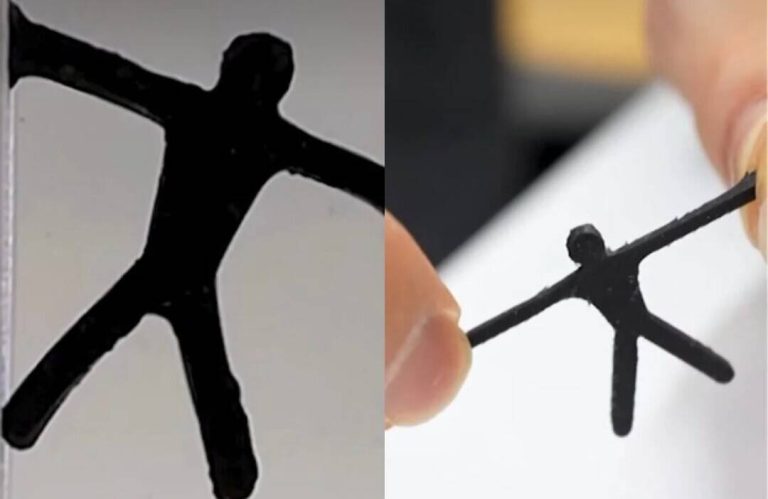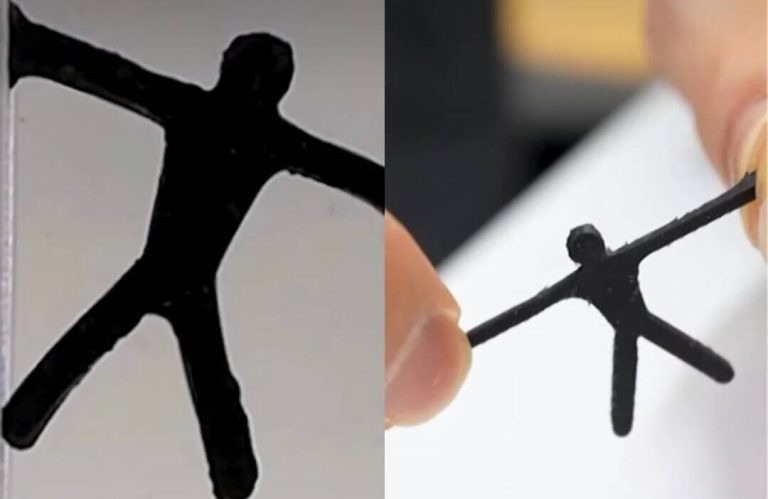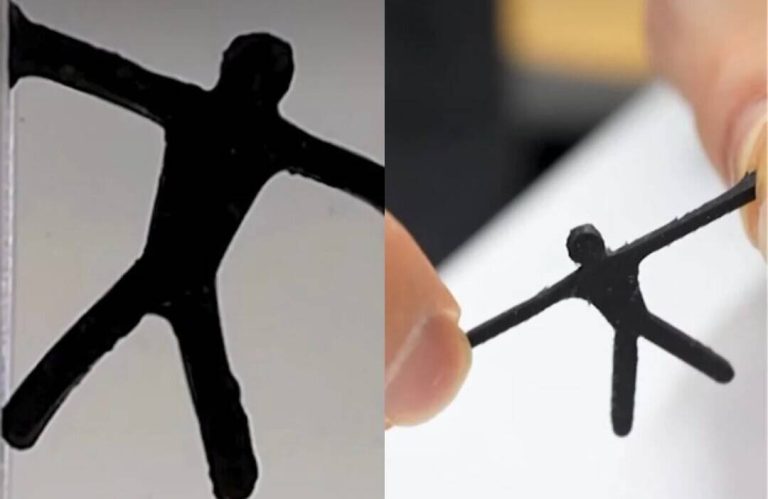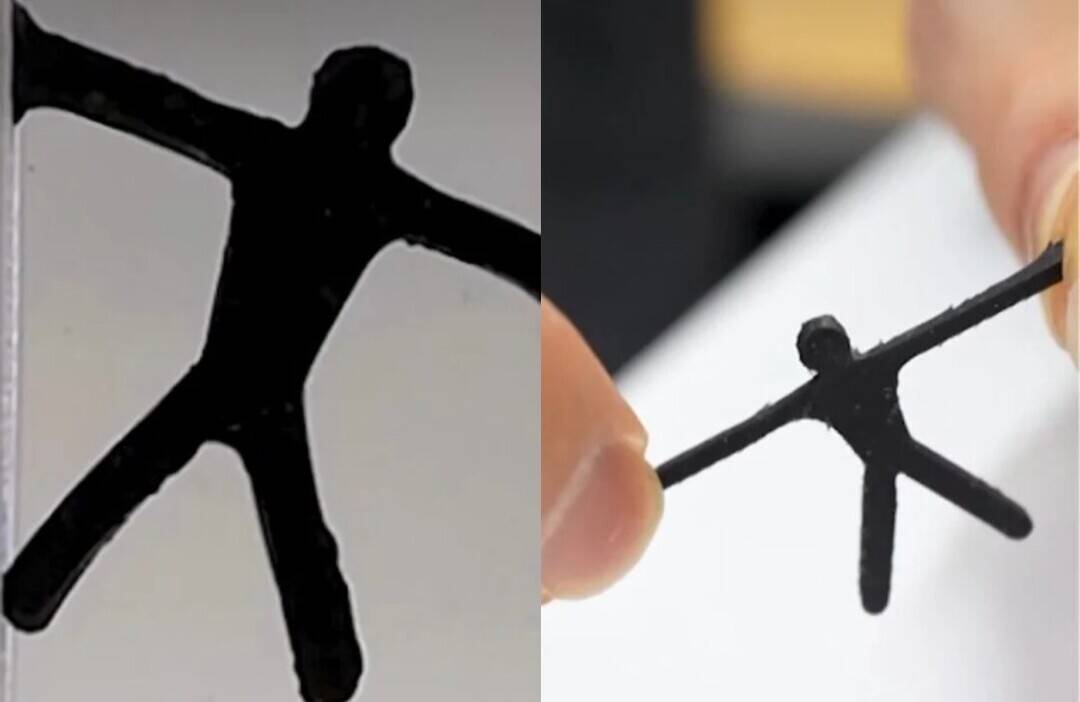
UK scientists create shape-shifting jelly robot that moves with electric fields
In a groundbreaking achievement, British researchers have developed a soft, jelly-like robot that moves and changes shape using external electric fields, without the need for motors or joints. Designed by University of Bristol scientists, the robot has the ability to reshape its body to bend, stretch, and move in various directions. This innovative technology has the potential to aid exploration in tight, fragile, or hazardous environments, where traditional robots may struggle to operate.
The shape-shifting robot, which resembles a jelly-like substance, is made from a soft, flexible material that can be controlled using electric fields. By applying an electric field to the robot, it can change its shape and move in a desired direction. This is achieved through the use of electroactive polymers, which are materials that can change their shape or size when an electric field is applied.
One of the most significant advantages of this technology is its ability to navigate through tight spaces and fragile environments. Traditional robots, which are often rigid and bulky, can struggle to operate in such environments, and may even cause damage to the surrounding area. The soft, jelly-like robot, on the other hand, can easily fit through small openings and move through delicate environments without causing harm.
The potential applications of this technology are vast and varied. For example, it could be used in search and rescue missions, where traditional robots may struggle to navigate through rubble or debris. It could also be used in medical applications, such as navigating through the human body to deliver medication or perform surgery. Additionally, it could be used in environmental monitoring, where it could be used to track and monitor water or air quality in hard-to-reach areas.
The University of Bristol scientists who developed the robot have hailed it as a major breakthrough in robotics technology. “We are thrilled to have developed a robot that can change its shape and move without the need for motors or joints,” said one of the researchers. “This technology has the potential to revolutionize the way we approach robotics, and could have a major impact on a wide range of fields, from medicine to environmental monitoring.”
The development of the shape-shifting robot is also a significant achievement in the field of soft robotics. Soft robotics is a relatively new field of research that focuses on the development of robots made from soft, flexible materials. These robots are designed to be more flexible and adaptable than traditional robots, and can be used in a wide range of applications, from healthcare to manufacturing.
The use of electric fields to control the robot’s movement is also a significant innovation. Traditional robots often rely on motors or other mechanical systems to move, which can be bulky and heavy. The use of electric fields, on the other hand, allows the robot to move without the need for any mechanical systems, making it much lighter and more flexible.
In addition to its potential applications, the shape-shifting robot is also a significant achievement in terms of its design and engineering. The robot’s soft, jelly-like body is made up of a complex system of electroactive polymers, which are carefully designed to respond to electric fields. The robot’s movement is also carefully controlled, using a sophisticated system of sensors and algorithms to ensure that it moves in the desired direction.
Overall, the development of the shape-shifting jelly robot is a major breakthrough in robotics technology, with significant potential applications in a wide range of fields. Its ability to navigate through tight spaces and fragile environments, combined with its soft, flexible design, make it an ideal solution for a variety of tasks, from search and rescue to medical applications. As research in this field continues to advance, it is likely that we will see even more innovative applications of this technology in the future.
About the Author