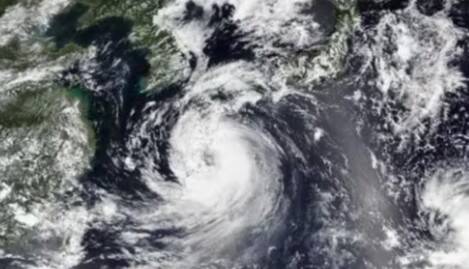
Typhoons return microplastics to land after humans pollute oceans: Study
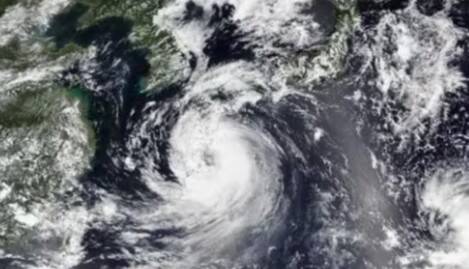
The world’s oceans have been facing a significant threat from microplastics, which are small plastic particles that are less than 5 millimeters in size. These microplastics have been polluting the oceans, harming marine life, and contaminating the food chain. However, a recent study has found that typhoons are playing a significant role in returning these microplastics back to land. The study, published in Environmental Science and Technology, found that typhoons can efficiently vacuum microplastics from the ocean and spread them over land.
The study, which was conducted in Ningbo, China, documented three typhoons that occurred in the region. The researchers found that the storms were not mobilizing local litter from Ningbo, but were instead actively transferring ocean-sourced microplastics into the atmosphere and depositing them on land. This finding has significant implications for our understanding of the movement of microplastics in the environment.
The study used a combination of field observations and laboratory analysis to investigate the impact of typhoons on microplastic pollution. The researchers collected samples of microplastics from the ocean and from the land before and after the typhoons. They found that the concentration of microplastics in the ocean decreased significantly after the typhoons, while the concentration of microplastics on land increased.
The study also found that the microplastics that were deposited on land were primarily composed of polyethylene and polypropylene, which are common types of plastics used in packaging and other products. The researchers suggested that these microplastics may have originated from the ocean and were transported to land through the atmosphere.
The findings of this study have significant implications for our understanding of the movement of microplastics in the environment. It suggests that typhoons can play a significant role in transporting microplastics from the ocean to land, and that this process can contribute to the contamination of soil and water on land.
The study also highlights the need for further research on the impact of microplastics on the environment. Microplastics have been shown to have a range of negative impacts on the environment, including harming marine life, contaminating the food chain, and altering the composition of soil and water. Further research is needed to fully understand the extent of these impacts and to develop effective strategies for reducing microplastic pollution.
In addition, the study suggests that reducing plastic pollution in the ocean is critical to preventing the transfer of microplastics to land. This can be achieved through a range of measures, including reducing plastic waste, increasing recycling, and improving waste management. Governments, businesses, and individuals can all play a role in reducing plastic pollution and mitigating the impacts of microplastics on the environment.
The study’s findings also have significant implications for public health. Microplastics have been shown to have a range of negative impacts on human health, including causing physical harm, leaching chemicals, and altering the composition of the gut microbiome. The transfer of microplastics from the ocean to land through typhoons increases the risk of human exposure to these pollutants, and highlights the need for further research on the impacts of microplastics on human health.
In conclusion, the study provides new insights into the movement of microplastics in the environment and highlights the significant role that typhoons can play in transporting microplastics from the ocean to land. The findings of the study have significant implications for our understanding of the impacts of microplastics on the environment and human health, and highlight the need for further research and action to reduce microplastic pollution.
The study’s authors suggest that further research is needed to fully understand the extent of the impacts of microplastics on the environment and human health. They also highlight the need for effective strategies to reduce microplastic pollution, including reducing plastic waste, increasing recycling, and improving waste management.
As the world continues to grapple with the challenges of microplastic pollution, this study provides an important reminder of the need for urgent action to address this issue. By reducing plastic pollution in the ocean, we can help to prevent the transfer of microplastics to land and mitigate the negative impacts of microplastics on the environment and human health.
News Source: https://pubs.acs.org/doi/10.1021/acs.est.5c11101
About the Author