Typhoons return microplastics to land after humans pollute oceans: Study
The world’s oceans have become a vast repository of microplastics, with millions of tons of plastic waste entering the marine ecosystem every year. These microplastics, which are small plastic particles less than 5 millimeters in size, can come from a variety of sources, including the breakdown of larger plastic items, microbeads in personal care products, and synthetic fibers from clothing. While the impact of microplastics on marine life has been well-documented, a new study published in Environmental Science and Technology suggests that typhoons may be playing a significant role in returning these microplastics to land.
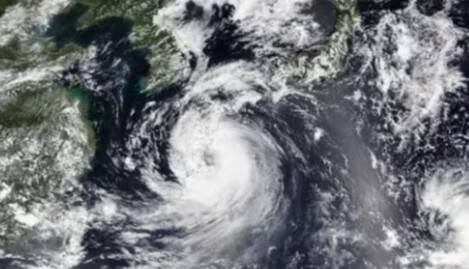
The study, which was conducted in Ningbo, China, found that typhoons are capable of efficiently vacuuming microplastics from the ocean and spreading them over land. The researchers documented the effects of three typhoons on the microplastic pollution in the area and discovered that the storms were not simply mobilizing local litter from Ningbo. Instead, the typhoons were actively transferring ocean-sourced microplastics into the atmosphere and depositing them on land.
This process, which the researchers refer to as “typhoon-driven microplastic transport,” has significant implications for our understanding of the microplastic pollution cycle. While it has long been known that microplastics can enter the atmosphere through various means, including wind and waves, the role of typhoons in this process has not been well-studied. The new research suggests that typhoons may be a major driver of microplastic pollution on land, particularly in coastal areas.
The study’s findings are based on an analysis of microplastic samples collected from the air and surface waters in Ningbo before, during, and after the three typhoons. The researchers used a variety of techniques, including scanning electron microscopy and Raman spectroscopy, to identify and characterize the microplastics in the samples. They found that the microplastics in the air and surface waters during the typhoons were primarily composed of polyethylene and polypropylene, which are common types of plastic used in packaging and other applications.
One of the most significant findings of the study was that the microplastics in the air and surface waters during the typhoons were not locally sourced. Instead, the researchers found that the microplastics were coming from the ocean, where they had been deposited through human activities such as littering and industrial waste. This suggests that typhoons are not just spreading microplastics around, but are actually returning them to land after they have been polluting the oceans.
The implications of this study are significant, particularly in light of the growing concern about microplastic pollution. Microplastics have been shown to have a range of negative impacts on the environment and human health, including the ingestion of microplastics by animals, the contamination of the food chain, and the potential for microplastics to leach chemicals into the environment. By returning microplastics to land, typhoons may be contributing to the spread of these pollutants and increasing the risk of harm to humans and the environment.
The study’s findings also highlight the need for more research on the role of typhoons in the microplastic pollution cycle. While the study provides new insights into the process of typhoon-driven microplastic transport, more work is needed to fully understand the mechanisms involved and the potential impacts on the environment and human health. This could include further studies on the composition and characteristics of microplastics in the air and surface waters during typhoons, as well as investigations into the effects of microplastic pollution on coastal ecosystems and human populations.
In conclusion, the new study published in Environmental Science and Technology provides important new insights into the role of typhoons in the microplastic pollution cycle. By showing that typhoons can efficiently vacuum microplastics from the ocean and spread them over land, the research highlights the complex and interconnected nature of microplastic pollution. As we continue to grapple with the challenges of microplastic pollution, it is essential that we consider the role of typhoons and other natural processes in the spread of these pollutants. By doing so, we can work towards a better understanding of the microplastic pollution cycle and the development of effective strategies for reducing the impacts of microplastics on the environment and human health.
News Source: https://pubs.acs.org/doi/10.1021/acs.est.5c11101
About the Author