Typhoons return microplastics to land after humans pollute oceans: Study
The world’s oceans have become a massive dumping ground for human waste, including microplastics. These tiny plastic particles, which are less than 5 millimeters in size, have been found to be harmful to marine life and have even entered the human food chain. However, a new study has found that typhoons, which are powerful tropical cyclones, are playing a significant role in returning these microplastics to land.
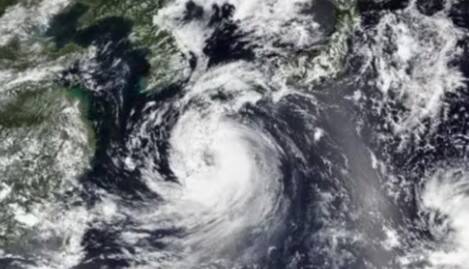
The study, published in Environmental Science and Technology, found that typhoons are efficiently vacuuming microplastics from the ocean and spreading them over land. The research, which documented three typhoons in Ningbo, China, found that the storms were not mobilizing local litter from Ningbo, but were instead actively transferring ocean-sourced microplastics into the atmosphere and depositing them on land.
The study’s findings are significant, as they suggest that typhoons are an important mechanism for the transport of microplastics from the ocean to land. This has important implications for our understanding of the fate of microplastics in the environment and the potential risks they pose to human health and the environment.
The researchers behind the study used a combination of field observations and laboratory analysis to investigate the impact of typhoons on microplastic transport. They collected samples of microplastics from the ocean and from land before, during, and after three typhoons that struck Ningbo in 2019. The samples were then analyzed using a range of techniques, including microscopy and spectroscopy, to determine the size, shape, and composition of the microplastics.
The results of the study showed that the concentration of microplastics in the ocean decreased significantly during the typhoons, suggesting that the storms were removing microplastics from the water. At the same time, the concentration of microplastics on land increased, indicating that the typhoons were depositing microplastics on land.
The researchers found that the microplastics deposited on land were similar in composition to those found in the ocean, suggesting that they were of oceanic origin. They also found that the microplastics were not coming from local sources, such as litter or industrial activities, but were instead being transported from the ocean by the typhoons.
The study’s findings have important implications for our understanding of the transport of microplastics in the environment. They suggest that typhoons are an important mechanism for the transport of microplastics from the ocean to land, and that this process may be occurring on a global scale.
The study also highlights the need for further research into the impact of microplastics on human health and the environment. Microplastics have been shown to be harmful to marine life, and have even entered the human food chain. However, the full extent of their impact on human health and the environment is still not fully understood.
In conclusion, the study’s findings suggest that typhoons are playing a significant role in returning microplastics to land after humans have polluted the oceans. The research highlights the need for further study into the transport of microplastics in the environment and the potential risks they pose to human health and the environment.
As the world’s oceans continue to be polluted with microplastics, it is essential that we understand the mechanisms by which they are transported and the impact they have on the environment. The study’s findings are an important step towards this goal, and highlight the need for further research into the impact of microplastics on human health and the environment.
The study’s findings also have important implications for policymakers and regulators. They suggest that efforts to reduce microplastic pollution in the ocean may need to be accompanied by efforts to mitigate the impact of microplastics on land. This could include measures such as reducing litter and improving waste management practices.
Overall, the study’s findings are an important reminder of the need to protect the world’s oceans and the environment from the impacts of human activity. By understanding the mechanisms by which microplastics are transported and the impact they have on the environment, we can take steps to reduce their impact and protect the health of humans and the environment.
News Source: https://pubs.acs.org/doi/10.1021/acs.est.5c11101
About the Author