Typhoons return microplastics to land after humans pollute oceans: Study
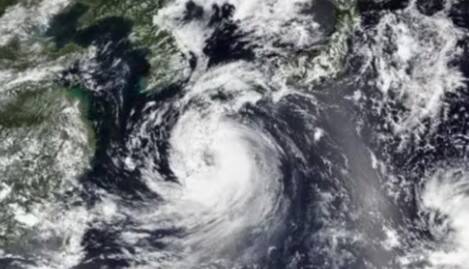
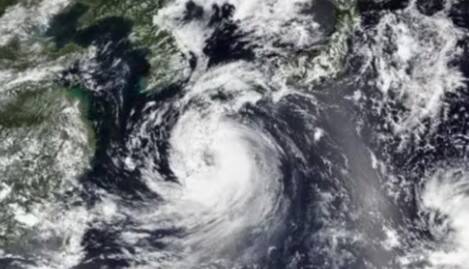
The world’s oceans are facing a growing problem of microplastic pollution, with millions of tons of plastic waste entering the marine environment every year. However, a recent study published in Environmental Science and Technology has revealed that typhoons are playing a significant role in returning these microplastics to land. The research, which focused on three typhoons in Ningbo, China, found that the storms are efficiently vacuuming microplastics from the ocean and spreading them over land.
The study, which was conducted by a team of scientists, aimed to investigate the impact of typhoons on microplastic pollution in the ocean and on land. The researchers collected samples of microplastics from the ocean and from land before and after the typhoons hit the area. They then analyzed the samples to determine the origin of the microplastics and the role of the typhoons in transporting them.
The results of the study were striking. The researchers found that the typhoons were not mobilizing local litter from Ningbo, as might have been expected. Instead, the storms were actively transferring ocean-sourced microplastics into the atmosphere and depositing them on land. This means that the microplastics that are polluting our oceans are being returned to land, where they can contaminate soil, water, and air.
The study’s findings have significant implications for our understanding of the microplastic pollution problem. Microplastics, which are defined as plastic particles smaller than 5 millimeters, are known to have negative impacts on the environment and human health. They can be ingested by animals, contaminating the food chain, and can also leach chemicals into the environment. By returning microplastics to land, typhoons are potentially exacerbating these problems.
The researchers behind the study suggest that their findings highlight the need for more research into the impact of extreme weather events on microplastic pollution. They also emphasize the importance of reducing plastic waste and preventing it from entering the ocean in the first place. This can be achieved through a combination of measures, including reducing plastic use, improving waste management, and increasing recycling.
The study’s lead author noted that the findings of the research have significant implications for policy makers and individuals alike. “Our study shows that typhoons are an important mechanism for transferring microplastics from the ocean to land,” they said. “This means that we need to take a more holistic approach to addressing the microplastic pollution problem, one that takes into account the role of extreme weather events in transporting these pollutants.”
The study’s findings are also a reminder of the interconnectedness of the environment and the impact of human activities on the planet. By polluting the oceans with microplastics, we are not only harming marine life and ecosystems, but also potentially contaminating our own soil, water, and air. As the world’s population continues to grow and plastic use increases, it is essential that we take action to reduce plastic waste and prevent it from entering the environment.
In conclusion, the study published in Environmental Science and Technology highlights the important role that typhoons play in returning microplastics to land after humans pollute oceans. The research shows that these storms are efficiently vacuuming microplastics from the ocean and spreading them over land, potentially contaminating soil, water, and air. The study’s findings emphasize the need for more research into the impact of extreme weather events on microplastic pollution and highlight the importance of reducing plastic waste and preventing it from entering the ocean.
As we move forward, it is essential that we take a comprehensive approach to addressing the microplastic pollution problem. This includes reducing plastic use, improving waste management, and increasing recycling. By working together, we can reduce the amount of microplastics that enter the ocean and prevent them from being returned to land by typhoons.
Source:
https://pubs.acs.org/doi/10.1021/acs.est.5c11101
About the Author