Typhoons return microplastics to land after humans pollute oceans: Study
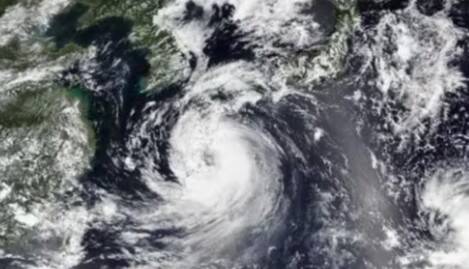
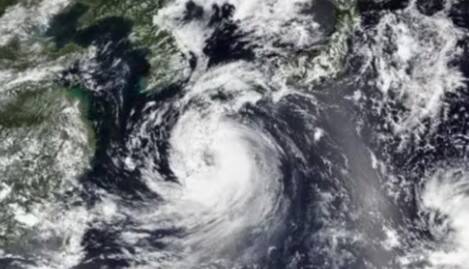
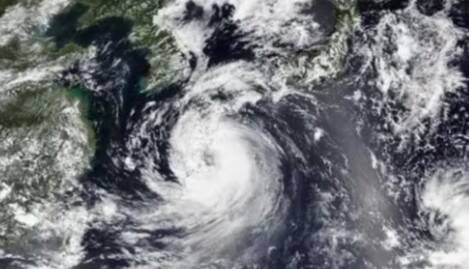
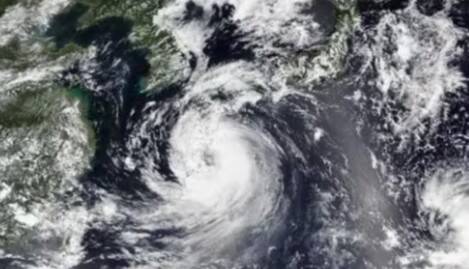
The world’s oceans have become a massive dumping ground for human waste, including microplastics that have severe consequences for marine life and the environment. However, a recent study published in Environmental Science and Technology has revealed that typhoons are now playing a significant role in returning these microplastics to land, posing a new threat to human health and the environment. The research, which focused on three typhoons in Ningbo, China, found that these storms are efficiently vacuuming microplastics from the ocean and spreading them over land.
The study, which was conducted by a team of scientists, aimed to investigate the impact of typhoons on the distribution of microplastics in the environment. The researchers chose Ningbo, a coastal city in eastern China, as their study site due to its high frequency of typhoons and significant plastic pollution problems. Over a period of several months, the team collected and analyzed samples of microplastics from the ocean and land before, during, and after three typhoons that hit the region.
The results of the study were striking. The researchers found that the typhoons were not mobilizing local litter from Ningbo, as they had expected. Instead, the storms were actively transferring ocean-sourced microplastics into the atmosphere and depositing them on land. This process, known as “typhoon-driven microplastic transport,” was found to be highly efficient, with the typhoons picking up large amounts of microplastics from the ocean and dispersing them over a wide area.
The study’s findings have significant implications for our understanding of the microplastic pollution problem. Microplastics, which are defined as plastic particles smaller than 5 millimeters, have become a major concern in recent years due to their widespread presence in the environment and their potential to harm human health and wildlife. These tiny plastic particles can come from a variety of sources, including the breakdown of larger plastic items, microbeads in personal care products, and synthetic fibers from clothing.
When microplastics enter the ocean, they can be ingested by marine animals, from small fish and plankton to large mammals and seabirds. This can lead to a range of problems, including physical harm, toxicity, and the transfer of microplastics up the food chain. However, the study’s findings suggest that microplastics are not just a problem for the ocean, but also for the land and atmosphere.
The researchers found that the microplastics deposited on land by the typhoons were primarily composed of polyethylene and polypropylene, which are commonly used in plastic packaging and other products. These microplastics were found to be present in a wide range of environments, including urban areas, agricultural land, and natural habitats. The study’s authors suggest that this could have significant implications for human health, as microplastics have been shown to be toxic and may be ingested by humans through contaminated food and water.
The study’s findings also highlight the need for more research into the impact of typhoons on microplastic pollution. Typhoons are a common occurrence in many parts of the world, and their role in transporting microplastics from the ocean to land is likely to be significant. Further studies are needed to fully understand the mechanisms behind typhoon-driven microplastic transport and to develop effective strategies for mitigating its impacts.
In conclusion, the study’s findings are a stark reminder of the interconnectedness of the environment and the need for a holistic approach to addressing the microplastic pollution problem. The fact that typhoons are returning microplastics to land after humans have polluted the oceans is a clear indication that our actions have consequences that can come back to haunt us. As we continue to pollute the oceans with plastic waste, we must also be prepared to deal with the consequences of our actions, including the potential risks to human health and the environment.
The study’s authors hope that their research will raise awareness about the importance of reducing plastic pollution and the need for more effective waste management strategies. By working together to address the microplastic pollution problem, we can help to mitigate its impacts and create a healthier, more sustainable environment for future generations.
Source:
https://pubs.acs.org/doi/10.1021/acs.est.5c11101
About the Author