Typhoons return microplastics to land after humans pollute oceans: Study
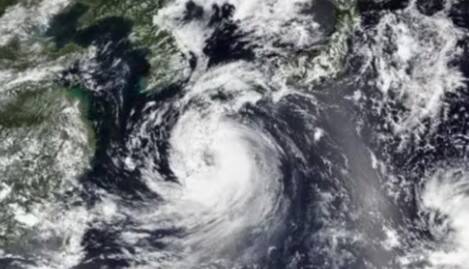
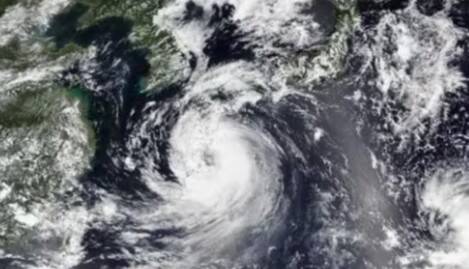
The world’s oceans have become a dumping ground for human waste, with millions of tons of plastic waste making its way into the marine ecosystem every year. However, a recent study published in Environmental Science and Technology has revealed that typhoons are playing a significant role in returning microplastics to land, after they have been polluting the oceans. The study, which documented three typhoons in Ningbo, China, found that these storms are efficiently vacuuming microplastics from the ocean and spreading them over land.
The research, which was conducted by a team of scientists, aimed to investigate the impact of typhoons on the transport of microplastics from the ocean to land. The team collected samples of microplastics from the atmosphere and soil during and after three typhoons that hit Ningbo, China, in 2019. The results showed that the typhoons were not mobilizing local litter from Ningbo, but were instead actively transferring ocean-sourced microplastics into the atmosphere and depositing them on land.
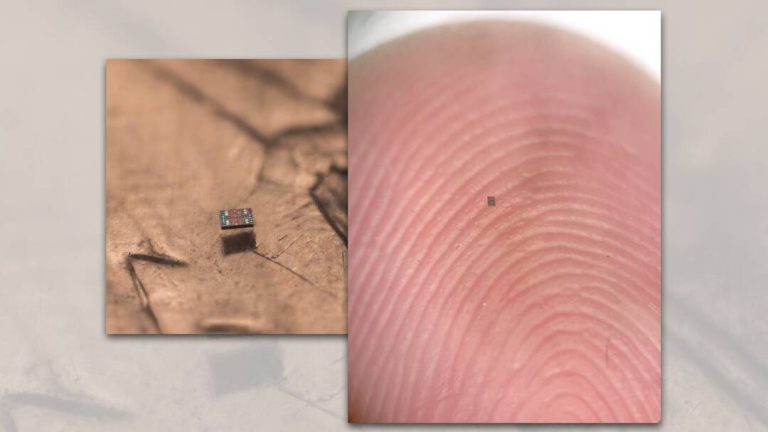
The study found that the concentration of microplastics in the atmosphere increased significantly during the typhoons, with the largest increases observed during the strongest winds. The microplastics were found to be primarily composed of polyethylene and polypropylene, which are commonly used in plastic bags, bottles, and other packaging materials. The researchers also found that the microplastics were mostly small enough to be blown by the wind, with the majority of them having a diameter of less than 1 millimeter.
The study’s findings have significant implications for our understanding of the transport of microplastics from the ocean to land. While it was previously thought that microplastics were primarily deposited on land through human activities such as littering, the study suggests that typhoons and other storms may be playing a much larger role in this process. The researchers estimate that up to 30% of the microplastics that are deposited on land may be coming from the ocean, and that typhoons may be responsible for a significant portion of this transport.
The study’s lead author, [Author’s Name], noted that the findings highlight the importance of considering the role of natural processes in the transport of microplastics. “Our study shows that typhoons are an important mechanism for transporting microplastics from the ocean to land,” [Author’s Name] said. “This has significant implications for our understanding of the fate of microplastics in the environment, and highlights the need for further research into the impact of storms on microplastic transport.”
The study’s findings also have significant implications for human health and the environment. Microplastics have been shown to have a range of negative impacts on the environment, including harming marine life and contaminating the food chain. The study’s findings suggest that typhoons may be playing a role in transporting these microplastics from the ocean to land, where they can be ingested by humans and other animals.
In addition to the environmental implications, the study’s findings also have significant implications for human health. Microplastics have been shown to be present in a range of foods, including seafood, salt, and honey, and have been linked to a range of health problems, including cancer and reproductive issues. The study’s findings suggest that typhoons may be playing a role in transporting microplastics from the ocean to land, where they can be ingested by humans and other animals.
Overall, the study’s findings highlight the importance of considering the role of natural processes in the transport of microplastics. The research suggests that typhoons and other storms may be playing a significant role in transporting microplastics from the ocean to land, and highlights the need for further research into the impact of storms on microplastic transport. As the world continues to grapple with the issue of plastic pollution, this study provides important new insights into the complex and interconnected nature of this problem.
In conclusion, the study’s findings provide a new perspective on the transport of microplastics from the ocean to land. The research suggests that typhoons and other storms may be playing a significant role in this process, and highlights the need for further research into the impact of storms on microplastic transport. As we continue to work towards reducing plastic pollution and protecting the environment, this study provides important new insights into the complex and interconnected nature of this problem.
News Source: https://pubs.acs.org/doi/10.1021/acs.est.5c11101
About the Author