Typhoons return microplastics to land after humans pollute oceans: Study
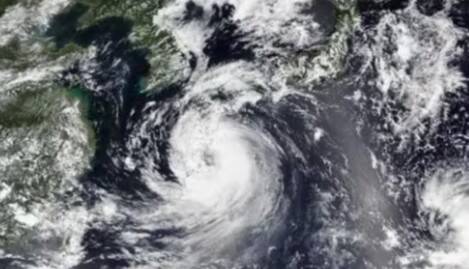
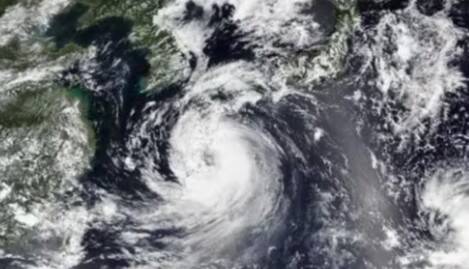
The world’s oceans have become a massive dumping ground for human waste, including microplastics that have severe consequences for marine life and the environment. However, a recent study published in Environmental Science and Technology reveals that typhoons are playing a significant role in returning these microplastics to land. The research, which documented three typhoons in Ningbo, China, found that the storms are efficiently vacuuming microplastics from the ocean and spreading them over land, highlighting the need for urgent action to address the issue of ocean pollution.
The study, which was conducted by a team of researchers from China, used a combination of field observations and laboratory analysis to investigate the impact of typhoons on microplastic pollution. The team collected samples of microplastics from the ocean and from land before, during, and after three typhoons that hit Ningbo in 2019. The results showed that the typhoons were not mobilizing local litter from Ningbo, but were instead actively transferring ocean-sourced microplastics into the atmosphere and depositing them on land.
The findings of the study have significant implications for our understanding of the microplastic pollution problem. Microplastics, which are defined as plastic particles smaller than 5 millimeters, have become a major concern in recent years due to their widespread presence in the environment and their potential to harm human health and the environment. They can come from a variety of sources, including the breakdown of larger plastic items, microbeads in personal care products, and synthetic fibers from clothing.
The study found that the typhoons were able to pick up microplastics from the ocean and deposit them on land through a process known as “atmospheric transport.” This occurs when strong winds and heavy rainfall associated with typhoons lift microplastics from the ocean surface and carry them into the atmosphere, where they can be transported long distances before being deposited on land.
The researchers found that the amount of microplastics deposited on land during the typhoons was significantly higher than the amount present in the ocean before the storms. This suggests that typhoons are an important mechanism for transporting microplastics from the ocean to land, and that they may be playing a significant role in the global distribution of microplastic pollution.
The study also found that the microplastics deposited on land during the typhoons were primarily composed of polyethylene and polypropylene, which are common types of plastic used in packaging and other applications. The researchers suggested that these microplastics may have originated from a variety of sources, including plastic debris in the ocean, microbeads in personal care products, and synthetic fibers from clothing.
The findings of the study highlight the need for urgent action to address the issue of ocean pollution. The production and disposal of plastic waste are major contributors to the problem of microplastic pollution, and reducing these activities is critical to mitigating the impacts of microplastics on the environment and human health.
One of the key takeaways from the study is that the impact of microplastic pollution is not limited to the ocean. The fact that typhoons can transport microplastics from the ocean to land highlights the need for a comprehensive approach to addressing the problem of microplastic pollution, one that takes into account the interconnectedness of the ocean and terrestrial ecosystems.
The study also highlights the importance of reducing plastic waste and increasing recycling rates. By reducing the amount of plastic waste that enters the environment, we can reduce the amount of microplastics that are formed and minimize the impacts of microplastic pollution on the environment and human health.
In addition, the study suggests that typhoons may be an important factor in the global distribution of microplastic pollution. The fact that typhoons can transport microplastics from the ocean to land highlights the need for further research on the role of atmospheric transport in the global distribution of microplastic pollution.
In conclusion, the study published in Environmental Science and Technology provides new insights into the impact of typhoons on microplastic pollution. The findings of the study highlight the need for urgent action to address the issue of ocean pollution, and suggest that reducing plastic waste and increasing recycling rates are critical to mitigating the impacts of microplastic pollution on the environment and human health. As we move forward, it is essential that we take a comprehensive approach to addressing the problem of microplastic pollution, one that takes into account the interconnectedness of the ocean and terrestrial ecosystems.
News Source: https://pubs.acs.org/doi/10.1021/acs.est.5c11101
About the Author