Typhoons return microplastics to land after humans pollute oceans: Study
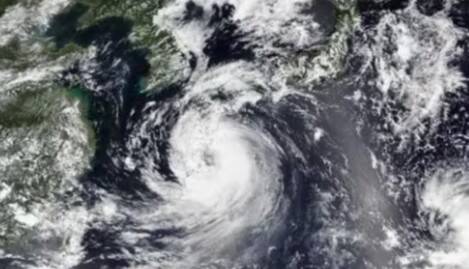
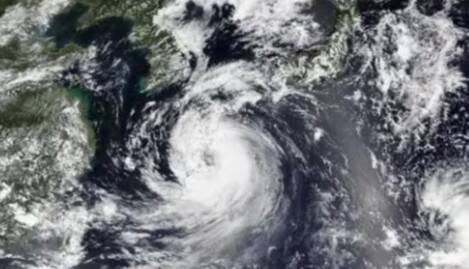
The world’s oceans have become a massive repository of microplastics, with millions of tons of plastic waste entering the marine ecosystem every year. While the impact of microplastics on marine life has been well-documented, a new study has revealed a disturbing trend – typhoons are now returning these microplastics to land, effectively creating a cycle of pollution that is difficult to break. According to a research published in Environmental Science and Technology, a typhoon can efficiently vacuum microplastics from the ocean and spread them over land, highlighting the far-reaching consequences of human activities on the environment.
The study, which documented three typhoons in Ningbo, China, found that the storms were not mobilizing local litter from Ningbo, but were instead actively transferring ocean-sourced microplastics into the atmosphere and depositing them on land. This phenomenon has significant implications for our understanding of the microplastic cycle and the role of natural disasters in shaping the fate of plastic pollution.
To understand the context of this study, it’s essential to appreciate the scale of microplastic pollution in the world’s oceans. Microplastics, which are defined as plastic particles smaller than 5 millimeters, have become a ubiquitous feature of marine ecosystems, with millions of tons of plastic waste entering the ocean every year. These microplastics can come from a variety of sources, including the breakdown of larger plastic items, microbeads in personal care products, and synthetic fibers from clothing.
Once in the ocean, microplastics can be ingested by marine animals, potentially causing harm to their health and even entering the human food chain. However, the impact of microplastics on the environment is not limited to the ocean. As the new study suggests, typhoons can pick up microplastics from the ocean and deposit them on land, creating a cycle of pollution that is difficult to break.
The study, which was conducted over a period of three years, used a combination of field observations, laboratory experiments, and modeling techniques to investigate the impact of typhoons on microplastic pollution. The researchers collected samples of microplastics from the ocean and from land, and used advanced techniques such as scanning electron microscopy and Fourier transform infrared spectroscopy to analyze their composition and origin.
The results of the study were striking. The researchers found that the concentration of microplastics in the ocean increased significantly during typhoons, with some samples showing a 100-fold increase in microplastic concentration. Moreover, the microplastics that were deposited on land during typhoons were found to be predominantly ocean-sourced, suggesting that the storms were not simply mobilizing local litter, but were instead transporting microplastics from the ocean to the land.
The implications of this study are far-reaching. Firstly, it highlights the importance of reducing plastic pollution in the ocean, not just to protect marine ecosystems, but also to prevent the transfer of microplastics to land. Secondly, it suggests that typhoons and other natural disasters can play a significant role in shaping the fate of plastic pollution, and that their impact should be taken into account when developing strategies for managing plastic waste.
Finally, the study underscores the need for a more integrated approach to managing plastic pollution, one that takes into account the complex interactions between the ocean, atmosphere, and land. By understanding the mechanisms by which microplastics are transferred from the ocean to the land, we can develop more effective strategies for reducing plastic pollution and mitigating its impacts on the environment.
In conclusion, the study published in Environmental Science and Technology is a significant contribution to our understanding of the microplastic cycle and the role of natural disasters in shaping the fate of plastic pollution. The finding that typhoons can return microplastics to land after humans pollute oceans is a disturbing trend that highlights the far-reaching consequences of human activities on the environment. As we move forward, it’s essential that we take a more integrated approach to managing plastic pollution, one that takes into account the complex interactions between the ocean, atmosphere, and land.
Source:
https://pubs.acs.org/doi/10.1021/acs.est.5c11101
About the Author