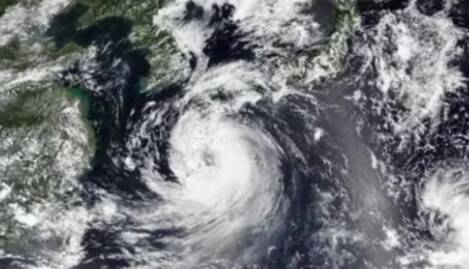
Typhoons return microplastics to land after humans pollute oceans: Study
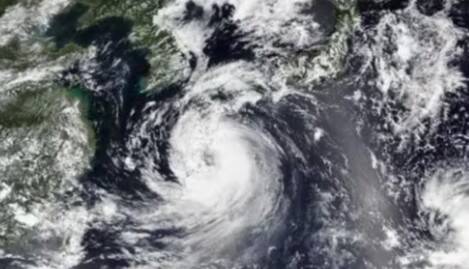
The world’s oceans have become a massive dumping ground for human waste, including microplastics. These tiny plastic particles, which are less than 5 millimeters in size, have been found to harm marine life and contaminate the food chain. However, a recent study published in Environmental Science and Technology has revealed that typhoons are now playing a significant role in returning these microplastics to land. The research, which was conducted in Ningbo, China, found that typhoons are efficiently vacuuming microplastics from the ocean and spreading them over land.
The study, which documented three typhoons in Ningbo, China, discovered that the storms were not mobilizing local litter from Ningbo. Instead, the typhoons were actively transferring ocean-sourced microplastics into the atmosphere and depositing them on land. This finding has significant implications for our understanding of the microplastic cycle and the role that natural disasters play in shaping the distribution of these pollutants.
To conduct the study, the researchers collected samples of microplastics from the ocean and from land before and after the typhoons. They found that the concentration of microplastics in the ocean decreased significantly after the typhoons, while the concentration on land increased. This suggests that the typhoons were picking up microplastics from the ocean and depositing them on land.
The study also found that the type of microplastics that were deposited on land were similar to those found in the ocean. This suggests that the microplastics were coming from the ocean, rather than from local sources. The researchers also found that the size and shape of the microplastics that were deposited on land were similar to those found in the ocean, which further supports the idea that the typhoons were transferring ocean-sourced microplastics to land.
The implications of this study are significant. Microplastics have been found to harm marine life and contaminate the food chain, and now it seems that they are being returned to land through typhoons. This means that humans are not only polluting the oceans with microplastics, but also that these pollutants are being cycled back to land, where they can potentially harm human health and the environment.
The study also highlights the importance of reducing plastic waste and preventing it from entering the ocean in the first place. If we can reduce the amount of plastic waste that enters the ocean, we can reduce the amount of microplastics that are formed and ultimately returned to land through typhoons.
In addition, the study suggests that typhoons may play a significant role in shaping the distribution of microplastics in the environment. By transferring ocean-sourced microplastics to land, typhoons may be creating new pathways for microplastics to enter the environment and potentially harm human health and the environment.
Overall, the study provides new insights into the microplastic cycle and the role that natural disasters play in shaping the distribution of these pollutants. It highlights the need for further research into the impacts of microplastics on human health and the environment, and the importance of reducing plastic waste and preventing it from entering the ocean.
The study’s findings also have significant implications for policymakers and regulators. By understanding the role that typhoons play in transferring microplastics from the ocean to land, policymakers can develop more effective strategies for reducing plastic waste and mitigating the impacts of microplastics on human health and the environment.
In conclusion, the study published in Environmental Science and Technology provides new evidence that typhoons are playing a significant role in returning microplastics to land after humans pollute oceans. The research highlights the importance of reducing plastic waste and preventing it from entering the ocean, and suggests that typhoons may be creating new pathways for microplastics to enter the environment and potentially harm human health and the environment.
News Source: https://pubs.acs.org/doi/10.1021/acs.est.5c11101
About the Author