Typhoons return microplastics to land after humans pollute oceans: Study
The world’s oceans have become a dumping ground for human waste, with microplastics being a major contributor to the pollution problem. These tiny plastic particles, which are less than 5 millimeters in size, can come from a variety of sources, including the breakdown of larger plastic items, microbeads in personal care products, and synthetic fibers from clothing. While it’s well known that microplastics can harm marine life and contaminate the food chain, a new study has revealed that typhoons are playing a significant role in returning these pollutants to land.
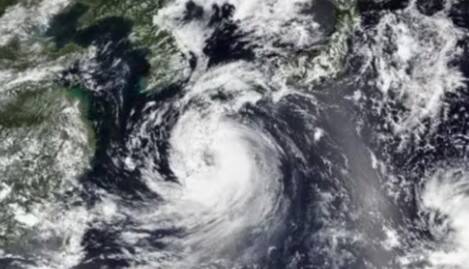
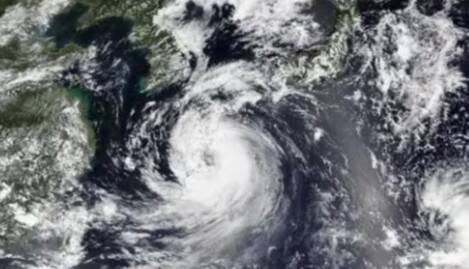
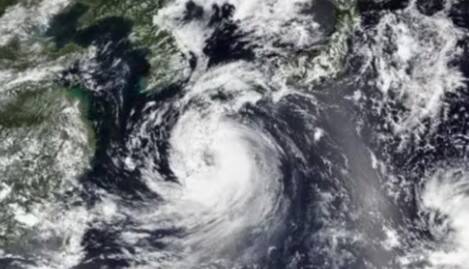
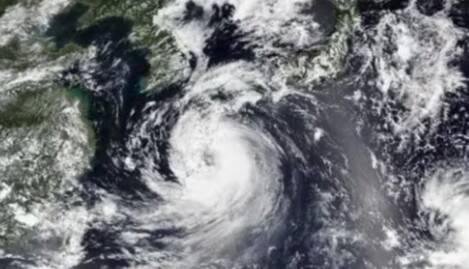
A research published in Environmental Science and Technology says that a typhoon can efficiently vacuum microplastics from the ocean and spread them over land. The study, which documented three typhoons in Ningbo, China, found that the storms were not mobilizing local litter from Ningbo, but were instead actively transferring ocean-sourced microplastics into the atmosphere and depositing them on land. This process has significant implications for our understanding of the microplastic cycle and the impact of human activities on the environment.
The study’s findings suggest that typhoons are acting as a kind of “vacuum cleaner” for microplastics in the ocean. As the storms make landfall, they pick up microplastics from the surface of the water and carry them into the atmosphere, where they can be deposited on land. This process can occur through a variety of mechanisms, including the formation of sea spray, which can contain microplastics, and the transport of microplastics on wind currents.
The researchers behind the study used a combination of field observations and laboratory analysis to track the movement of microplastics during the three typhoons. They collected samples of rainwater, atmospheric particles, and surface soil before, during, and after each storm, and used specialized equipment to analyze the microplastic content of each sample. The results showed that the concentration of microplastics in the atmosphere and on land increased significantly during each typhoon, with the majority of the microplastics coming from ocean sources.
The study’s findings have significant implications for our understanding of the microplastic cycle. While it’s well known that microplastics can enter the ocean through a variety of pathways, including litter, wastewater, and atmospheric deposition, the role of typhoons in transporting these pollutants back to land has not been well understood. The study’s results suggest that typhoons can play a significant role in the global transport of microplastics, and that this process can have important consequences for human health and the environment.
One of the most significant implications of the study’s findings is that microplastics can be transported from the ocean to land through the atmosphere, where they can be inhaled by humans and animals. This process, known as “atmospheric deposition,” can occur through a variety of mechanisms, including the formation of sea spray and the transport of microplastics on wind currents. The study’s results suggest that typhoons can increase the concentration of microplastics in the atmosphere, which can have important consequences for human health.
In addition to the potential health impacts, the study’s findings also have significant implications for our understanding of the microplastic cycle. The results suggest that microplastics can be transported from the ocean to land through a variety of pathways, including typhoons, and that this process can have important consequences for the environment. The study’s findings also highlight the need for further research into the microplastic cycle, including the sources, transport, and fate of these pollutants.
Overall, the study’s findings provide new insights into the complex and dynamic nature of the microplastic cycle. The results suggest that typhoons can play a significant role in the global transport of microplastics, and that this process can have important consequences for human health and the environment. As we continue to grapple with the problem of microplastic pollution, it’s clear that further research is needed to understand the sources, transport, and fate of these pollutants, and to develop effective strategies for mitigating their impacts.
In conclusion, the study’s findings provide a new perspective on the microplastic cycle, highlighting the significant role that typhoons can play in transporting these pollutants from the ocean to land. As we move forward, it’s essential that we continue to study the microplastic cycle, including the sources, transport, and fate of these pollutants, and that we develop effective strategies for mitigating their impacts. By working together, we can reduce the amount of microplastics in the environment, and create a healthier and more sustainable future for all.
News Source: https://pubs.acs.org/doi/10.1021/acs.est.5c11101
About the Author