Typhoons return microplastics to land after humans pollute oceans: Study
The world’s oceans have become a dumping ground for human waste, with millions of tons of plastic waste entering the marine ecosystem every year. However, a recent study has found that the ocean is not the final resting place for this plastic waste. Instead, typhoons are playing a significant role in returning microplastics to land, effectively creating a cycle of pollution that is both disturbing and devastating.
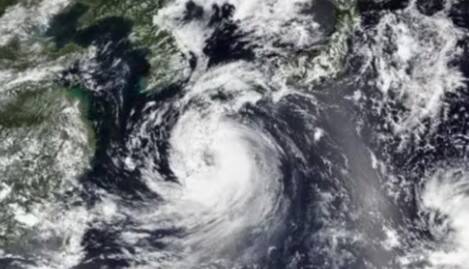
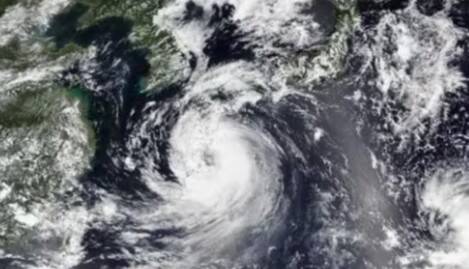
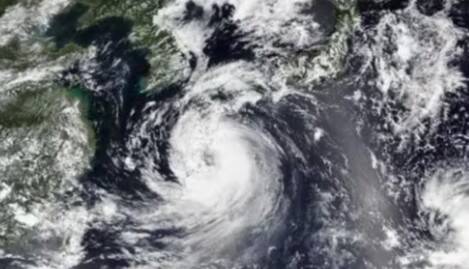
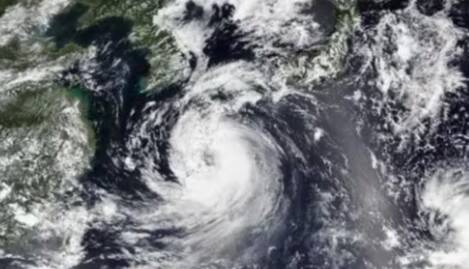
A research published in Environmental Science and Technology says that a typhoon can efficiently vacuum microplastics from the ocean and spread them over land. The study, which documented three typhoons in Ningbo, China, found that the storms were not mobilizing local litter from Ningbo. Instead, the typhoons were actively transferring ocean-sourced microplastics into the atmosphere and depositing them on land.
The study’s findings are significant, as they suggest that typhoons are an important mechanism for the transport of microplastics from the ocean to land. Microplastics, which are small plastic particles less than 5 millimeters in size, have become a major concern in recent years due to their potential impact on human health and the environment.
The researchers behind the study used a combination of field observations and laboratory analysis to track the movement of microplastics during the three typhoons. They found that the concentration of microplastics in the air increased significantly during the storms, with the largest increase occurring during the strongest typhoon.
The study’s authors also analyzed the types of microplastics that were being transported by the typhoons and found that they were primarily composed of polyethylene and polypropylene. These types of plastics are commonly used in packaging materials and are known to be prone to breaking down into smaller pieces over time.
The implications of the study’s findings are far-reaching. They suggest that typhoons are playing a significant role in the transport of microplastics from the ocean to land, and that this process is likely to continue as long as humans continue to pollute the oceans with plastic waste.
The study’s authors note that the transport of microplastics by typhoons is likely to have significant impacts on both human health and the environment. Microplastics have been shown to be toxic to certain species, and they can also leach chemicals into the environment that can harm human health.
In addition, the study’s findings highlight the need for more research into the transport of microplastics by typhoons and other extreme weather events. By better understanding this process, scientists can gain a clearer picture of the ways in which microplastics are moving through the environment and the impacts that they are having on human health and the environment.
The study’s authors also note that the findings have significant implications for policymakers and regulators. They suggest that efforts to reduce plastic pollution in the oceans, such as implementing extended producer responsibility and increasing recycling rates, are critical to reducing the amount of microplastics that are transported by typhoons.
In conclusion, the study’s findings are a stark reminder of the significant impact that human activities are having on the environment. The transport of microplastics by typhoons is a complex process that is influenced by a range of factors, including the type and amount of plastic waste that enters the ocean, the strength and frequency of typhoons, and the effectiveness of waste management practices.
As the world continues to grapple with the challenges of plastic pollution, it is clear that more research is needed to understand the ways in which microplastics are moving through the environment and the impacts that they are having on human health and the environment. By working together to reduce plastic pollution and improve waste management practices, we can help to mitigate the effects of microplastics and create a healthier, more sustainable future for all.
News Source: https://pubs.acs.org/doi/10.1021/acs.est.5c11101
About the Author